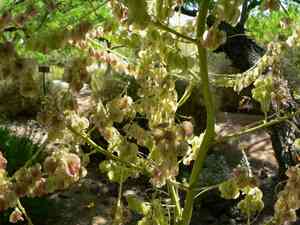
Sacahuista (Nolina microcarpa)
Also known as: Beargrass, Sacahuista
Nolina microcarpa, commonly known as sacahuista, belongs to the asparagus family. This plant, native to the southwestern U.S. and northern Mexico, is popular in landscaping. While it serves as a food source for deer in the wild, it is toxic to sheep and goats.
In This Article
Attributes of Sacahuista
Lifespan
Perennial
Plant Type
Herb
Plant Height
1.8 m to 2 m
Spread
1.2 m to 1.8 m
Leaf Color
Green Blue
Flower Size
4 mm
Flower Color
White Yellow Green Brown
Images of Sacahuista
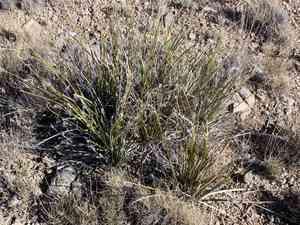
Quickly Identify Sacahuista
1
Nolina microcarpa can be identified by its long, narrow, and fibrous leaves that grow from a basal rosette. The leaves are tough and have finely serrated edges. The plant produces tall flower stalks bearing small white flowers.
Scientific Classification of Sacahuista
Phylum
Vascular plants
Class
Monocotyledons
Order
Asparagales
Family
Asparagus
Genus
Beargrasses
Species
Sacahuista
Planting and Growing of Sacahuista
Care Difficulty
Easy
Watering Schedule
Every 2 days
Sunlight Requirements
Full sun
Sunshine Duration
6-10 hours
Ideal Temperature
60-75℉
Soil Type
Potting Mix, Peat Mix
Soil pH
6.5-7.5
Fertilizer Type
Balanced
Pruning Season
Spring, Summer
Pruning Area
Branches, Leaves
Pruning Frequency
2 times a year
Repotting Season
Spring
Pot Type
Plastic, Ceramic
 How to Water Sacahuista?
Nolina microcarpa requires a moderate watering amount of about 250 milliliters each time. The principle is to mimic its native drought-resistant habitat by letting the soil dry slightly between waterings. Ensure water reaches the root zone but avoid saturation.
What are the symptoms of an underwatered Sacahuista?
›
What should I do if my Sacahuista is not getting enough water?
›
What are the symptoms of an overwatered Sacahuista?
›
How to save an overwatered Sacahuista?
›
 What Are the Sunlight Requirements for Sacahuista?
Nolina microcarpa flourishes best under full or partial sun, enjoying around 6 to 8 hours of light daily. Such an environment supports vigorous growth, bolstering energy levels crucial for leaf strength and overall vigor.
More About Sunlight Requirements Techniques→
Optimal Sun Exposure
›
Protect From Harsh Noon Sunlight
›
Balance Between Dawn and Dusk Light
›
 What Is the Ideal Temperature Range for Sacahuista?
Nolina microcarpa thrives best in temperatures ranging from 60°F to 75°F. This temperature range supports optimal photosynthesis and growth. Maintaining the plant within this range ensures that it has the necessary warmth to facilitate nutrient uptake and overall health. Consistently adhering to these conditions encourages a robust and vigorous growth pattern, emulating its native habitat.
 What Soil is Best for Sacahuista?
Nolina microcarpa thrives best in well-drained soils. Ensuring that the soil doesn't retain too much moisture is crucial to prevent root rot, allowing the plant's roots to breathe and absorb necessary nutrients effectively. This plant can grow in relatively nutrient-poor soils. This adaptability means less need for frequent fertilization, making it a low-maintenance option for gardeners. Good soil aeration is important for Nolina microcarpa as it helps in maintaining healthy root systems and supports the overall growth process. This requirement ensures that the roots have access to ample oxygen.
 How to Fertilize Sacahuista?
For Nolina microcarpa, it's essential to apply a balanced fertilizer at half the recommended strength to prevent over-fertilization. Typically, 10-10-10 or 20-20-20 NPK fertilizers are suitable. For liquid fertilizers, use about 5 ml per liter of water and apply it thoroughly to the soil. Solid fertilizers should be used sparingly, about one tablespoon or 15 grams, evenly distributed around the root zone.
 How to Prune Sacahuista?
Begin by identifying dead, damaged, or diseased leaves. These can be spotted by their discoloration or brittle texture. Trim back any overgrown stems to maintain your desired shape. Cut close to the base of the leaf to promote a tidier appearance. Clear out dense areas where leaves cluster too closely, as this can enhance airflow throughout the plant and reduce mold or mildew risks.
More About Pruning Techniques→
 How to Propagate Sacahuista plant?
1
Begin by selecting a pot with adequate drainage holes. Fill it with a well-draining potting mix suitable for succulents. Ensure the pot is clean and dry before adding soil.
2
Using sterilized pruning shears, cut a healthy stem of Nolina microcarpa. Choose a section that is about 4-6 inches long, and make a clean cut to avoid crushing the plant tissue.
3
Allow the cuttings to callous over for a day before planting. Insert the cutting into the prepared potting mix, burying at least one inch of the stem to provide stability.
 How to Repot Sacahuista plant?
1
Nolina microcarpa should be repotted when you notice the roots growing out of the drainage holes or if the soil becomes compacted, hindering proper drainage. Spring to early summer is the best time, as the plant can recover quickly during the growing season.
2
When selecting a pot, opt for one that is one or two inches larger in diameter than the current pot. The increased size allows the roots to expand, promoting robust growth without overwhelming the plant with too much soil that could retain moisture and cause rot.
3
A well-draining, sandy soil mix is essential for Nolina microcarpa. This kind of soil minimizes the risk of water retention, which can lead to root rot. It allows excess water to escape, while also providing adequate aeration for the roots.



