The Sacahuista Plant Advantage: Maximizing Home and Office Appeal and Wellness
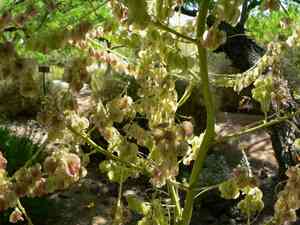
1
Sacahuista is recognized for its ability to withstand dry conditions, making it perfect for parched environments.
2
Its strong root structure aids in preventing soil loss and encourages ground stability.
3
Sacahuista serves as a beneficial inclusion in indigenous plant collections and environmental recovery projects.
Why Sacahuista Excels in Arid Regions?
Suitability for Dry Climates
Sacahuista is perfectly suited for areas experiencing minimal rainfall and high temperatures. Its inherent water-saving capabilities enable it to flourish where other plants might struggle. The plant's leaves possess specialized features that reduce water loss, ensuring it stays vibrant even during extended dry periods. This makes it an excellent choice for xeriscapingâa landscaping approach focused on reducing or eliminating irrigation needs.
Minimal Upkeep Requirements
Sacahuista demands very little care once established. Unlike other plants that may need consistent watering, trimming, and feeding, Sacahuista is largely self-sufficient. Its deep root system allows it to access underground water sources, significantly decreasing the need for additional watering. Furthermore, the plant resists most pests and diseases, further lowering maintenance efforts and costs.
How Sacahuista Supports Soil Health and Prevents Erosion?
Erosion Control Benefits
A key advantage of Sacahuista is its capacity to prevent soil erosion. Its extensive root network stabilizes the soil, making it less susceptible to being washed away by rain or wind. This is especially beneficial for areas with loose or sandy soils prone to erosion. By planting Sacahuista, you establish a natural barrier that helps keep soil in place, fostering a healthier and more stable landscape.
Soil Fertility Improvement
Sacahuista also plays a vital role in boosting soil fertility. The plant's roots penetrate deep into the earth, breaking up compacted soil and facilitating better aeration and water absorption. This not only enhances soil structure but also encourages the growth of beneficial microorganisms. Over time, the presence of Sacahuista can lead to richer, more fertile soil, which benefits the entire ecosystem.
Why Sacahuista is a Great Addition to Native Plant Gardens?
Enhancement of Biodiversity
Including Sacahuista in your garden can significantly contribute to local biodiversity. Native plant gardens aim to mimic local ecosystems, and Sacahuista fits this concept perfectly. The plant provides habitat and food for various insects, birds, and small animals, making your garden a bustling hub of activity. By choosing Sacahuista, you're not only improving your garden's visual appeal but also supporting local wildlife.
Sustainability and Ecological Balance
Sacahuista is an excellent option for those seeking to create a sustainable garden. Because it is well-adapted to local conditions, it requires fewer resources to maintain, such as water, fertilizers, and pesticides. This reduces your garden's environmental impact and promotes a more sustainable gardening approach. Additionally, native plants like Sacahuista are less likely to become invasive, ensuring they don't disrupt the existing ecological balance.
How Can Sacahuista Be Utilized in Ecological Restoration Projects?
Restoration of Damaged Lands
Sacahuista plays a crucial role in ecological restoration efforts. Its robust root system makes it an ideal candidate for restoring degraded lands. Whether it's a former mining site, a deforested area, or a riverbank susceptible to erosion, Sacahuista can help return these environments to their natural state. The plant's ability to improve soil structure and fertility also speeds up the recovery process, allowing other native species to re-establish themselves.
Climate Change Mitigation
Sacahuista is also valuable in the context of climate change. Its ability to withstand extreme weather conditions makes it a resilient choice for restoring landscapes affected by climate-induced challenges. By stabilizing soil and enhancing biodiversity, Sacahuista contributes to creating more resilient ecosystems that can adapt to changing climatic conditions. Moreover, native plants like Sacahuista sequester carbon, helping to lessen the effects of global warming.
What Are the Aesthetic and Practical Uses of Sacahuista?
Landscaping Beauty
Beyond its functional advantages, Sacahuista adds aesthetic value to any landscape. Its unique form and vibrant foliage make it an attractive addition to gardens, public areas, and commercial settings. The plant can serve as a focal point or as part of a larger planting scheme to create visually pleasing designs. Its adaptability means it can thrive in various environments, from rock gardens to formal lawns.
Functional Applications in Urban Environments
In urban settings, Sacahuista can be used to create green spaces that promote environmental well-being. Its low maintenance needs and drought tolerance make it perfect for city parks, roadside plantings, and residential landscapes. The plant's ability to improve air quality by filtering pollutants also makes it a valuable asset in urban environments. By integrating Sacahuista into city planning, municipalities can enhance their green infrastructure while promoting sustainability.



