How to Transplant Bigelow's nolina?
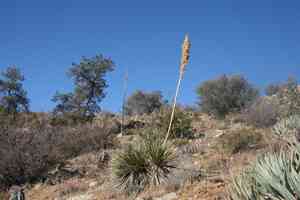
The optimal period for relocating bigelow's nolina spans from the end of spring to the middle of summer, a timeframe conducive to root development. Select a location bathed in sunlight featuring soil that drains effectively. Careful management of the root system and sufficient hydration following the transplant are crucial for successful integration.
Necessary Preparations Before Relocating Bigelow's Nolina?
Optimal Period for Relocating Bigelow's Nolina?
The best time to move bigelow's nolina is typically from late spring's onset through mid-summer. This timeframe offers ideal growing conditions for bigelow's nolina, with warmth promoting root development and extended daylight hours providing ample light for photosynthesis. Relocating bigelow's nolina during this season leverages its natural growth cycle, ensuring it establishes well before colder weather arrives. By aligning with these natural rhythms, your bigelow's nolina is more likely to flourish and display its full beauty in your garden.
Recommended Spacing Between Bigelow's Nolina Plants?
When relocating bigelow's nolina, aim for a spacing of 24-36 inches (61-91 cm) between them. This ensures each plant has sufficient room to thrive without competing for nutrients, light, or water.
Ideal Soil Blend for Bigelow's Nolina Relocation?
For bigelow's nolina, prepare a soil mixture that drains well, possibly with added sand to enhance drainage. A foundational fertilizer with a balanced N-P-K ratio can offer a good initial boost of nutrients.
Preferred New Location for Your Bigelow's Nolina?
Select a sunny spot for your bigelow's nolina where it can receive full sunlight for at least 6-8 hours daily. This will aid its robust and healthy growth in your garden.
Equipment Required Before Relocating Bigelow's Nolina?
Shovel or Spade
For excavating the plant and preparing a hole in the ground.
Gardening Gloves
To safeguard your hands while handling soil and the plant.
Watering Can or Hose
To hydrate the plant before and after its relocation.
Wheelbarrow or Tarp
To move the excavated plant to its new site without causing damage.
Pruning Shears
For trimming any damaged roots or foliage.
Rooting Hormone (optional)
To encourage root development post-relocation.
How to Extract Bigelow's Nolina from the Ground?
How to Extract Bigelow's Nolina from the Ground?
From Ground: Hydrate the bigelow's nolina to moisten the soil. Dig a wide trench around the plant using a shovel or spade, ensuring the root ball remains intact. Gently work the spade beneath the root ball to lift the plant from its current spot.From Pot: Water the bigelow's nolina thoroughly. Turn the pot on its side and tap the base to loosen the plant. Carefully pull the plant by its base and gently wiggle it out, supporting the root ball.From Seedling Tray: Water the seedlings to make the soil damp. Carefully separate individual bigelow's nolina plants by lifting from the stem's base. Avoid direct contact with the roots.
Step-by-Step Guide for Relocating Bigelow's Nolina
Preparation
Water the bigelow's nolina prior to commencing the relocation process.
Root Ball
Carefully excavate a substantial root ball to prevent root damage.
Plant Removal
Slowly remove the bigelow's nolina from its current position, preserving its root structure.
Hole Digging
Dig a hole in the new location, making it twice as wide as the root ball and of equal depth.
Plant Positioning
Place the bigelow's nolina in the hole, ensuring its base is level with the surrounding ground.
Fill Hole
Backfill the hole with soil, gently compacting it around the roots to eliminate air pockets.
Water Deeply
Generously water the bigelow's nolina to settle the soil and hydrate the roots.
Mulch
Apply a layer of mulch around the base to retain moisture and protect the roots.
Post-Relocation Care for Bigelow's Nolina?
Immediate Watering
Right after relocating, water the bigelow's nolina to help settle the soil and remove air pockets.
Regular Watering
Maintain consistent soil moisture, especially during the initial growing season post-relocation. Avoid overwatering.
Observation
Monitor for signs of transplant shock, such as wilting or leaf discoloration. If observed, ensure bigelow's nolina is adequately hydrated and its location isn't causing stress.
Mulching
Maintain a protective layer of mulch around the bigelow's nolina to preserve soil moisture and temperature.
Resolving Common Issues with Bigelow's Nolina Relocation.
What's the best time to relocate bigelow's nolina for success?
Move bigelow's nolina during late spring to mid-summer for optimal root establishment in warm temperatures.
How far apart should bigelow's nolina be spaced when relocating?
Provide bigelow's nolina ample room with 24-36 inches (61-91 cm) between plants for proper growth.
Why are my bigelow's nolina's leaves wilting after relocation?
Wilting can indicate transplant shock. Maintain moisture and initially shield from intense sun.
What soil conditions benefit bigelow's nolina during relocation?
Well-draining soil is vital for bigelow's nolina to prevent root rot and ensure healthy growth.
Can bigelow's nolina withstand relocation in colder seasons?
Relocating bigelow's nolina in colder seasons might impede root establishment; stick to warmer months for best outcomes.
How deep should the new hole be when relocating bigelow's nolina?
Dig a hole twice as wide and the same depth as bigelow's nolina's root ball to encourage growth.
How much water should bigelow's nolina receive after relocation?
Water bigelow's nolina deeply after relocation, then regularly until established, avoiding waterlogged conditions.
Should I fertilize bigelow's nolina immediately after relocation?
Wait several weeks before fertilizing bigelow's nolina to allow roots to recover from relocation stress.
How do I protect bigelow's nolina during relocation under direct sun?
Shade bigelow's nolina with a sun screen or cloth for a few days post-relocation to reduce stress.
My bigelow's nolina is not thriving post-relocation, what could be wrong?
Ensure correct planting depth, adequate watering, and check for pests or diseases. Avoid dense soils that retain moisture.



