How to Prune Bigelow's nolina?
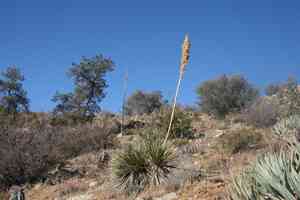
Recognized for its clustered rosette of slender, grass-like foliage, bigelow's nolina flourishes with infrequent trimming. Detach any deceased or compromised leaves from the plant's base, usually in the colder months when the plant is inactive, to avoid stressing it and to preserve its visual appeal. Deliberate removal of any offshoots fosters a solitary, artistic shape, or if retained, encourages a natural grouping. Thoughtful trimming additionally facilitates ample air movement, diminishing the likelihood of illness and promoting robust development.
What Are the Benefits of Pruning Bigelow's Nolina?
What Are the Benefits of Pruning Bigelow's Nolina?
Trimming bigelow's nolina can stimulate its development and maintain its desired form, ensuring a well-structured and visually appealing look while preserving the plant's overall health and vigor.
What Is the Best Time for Pruning Bigelow's Nolina?
What Is the Best Time for Pruning Bigelow's Nolina?
Pruning bigelow's nolina from late winter to early spring allows for the removal of any damaged or dead foliage and flower stalks without disrupting its growth cycle. This timing ensures that any pruning wounds heal quickly with the onset of spring growth, reducing the risk of disease and stress. Additionally, it avoids cutting back the plant during or immediately after the flowering period, which occurs in late spring to early summer, ensuring that flowering is not affected. This timing aligns with the plant's natural dormancy period when its metabolism is slow, thus minimizing the impact on the plant's health and vigor.
What Tools Do I Need to Prune Bigelow's Nolina?
Sharp, Clean Bypass Pruners
Bypass pruners create precise cuts without crushing plant tissues, ideal for bigelow's nolina's fibrous leaves and slender stems.
Long-Handled Loppers
For reaching bigelow's nolina's taller stems or for cutting through thicker growth without straining the gardener's back.
Sturdy Gardening Gloves
Protects hands from bigelow's nolina's rough edges and reduces the risk of injury.
Garden Scissors
Useful for detailed work, such as shaping or removing small, delicate growth.
How to Prune Bigelow's Nolina
Clean tools
Start by cleaning and sterilizing your pruning tools to prevent the spread of disease when cutting bigelow's nolina.
Inspect plant
Carefully examine bigelow's nolina for dead or diseased branches, which may appear discolored, shriveled, or show visible signs of fungal growth or damage.
Cut diseased branches
Carefully remove diseased branches by cutting them back to healthy tissue, ensuring you make cuts in a manner that promotes good air circulation and avoids damage to the remaining healthy parts of bigelow's nolina.
Remove dead branches
Prune dead branches by cutting them at the base where they meet healthy wood, making sure to use sharp tools for clean cuts without harming bigelow's nolina.
Dispose trimmed material
Dispose of the removed material properly, keeping it away from healthy bigelow's nolina and other plants to prevent disease spread.
Common Pruning Mistakes with Bigelow's Nolina
Excessive pruning
Cutting too much at once can stress bigelow's nolina, potentially leading to poor health or stunted growth.
Pruning active growth
Trimming bigelow's nolina when it is in the midst of active growth can interfere with its natural growth patterns and may hinder its development.
Inadequate tool care
Using dull or dirty tools can lead to jagged cuts or introduce disease to bigelow's nolina, which can cause damage to the plant.
Neglecting dead material
Failing to remove dead or dying leaves regularly can invite pests and diseases, which may affect the overall health of bigelow's nolina.
Ignoring plant structure
A lack of understanding of bigelow's nolina's natural structure can result in an undesirable shape and may compromise its health and aesthetics.
Common Pruning Tips for Bigelow's Nolina
Clean cuts
Make clean, sharp cuts to prevent damage and potential disease entry points, using sanitized pruning tools to minimize infection risks to bigelow's nolina.
Consider growth pattern
Understand bigelow's nolina's natural growth pattern and aim to enhance its shape, removing only what is necessary to maintain its form and health.
Regular maintenance
Regularly inspect bigelow's nolina for dead or damaged leaves and remove them promptly to maintain plant vigor and aesthetic appeal.
Controlled pruning
Approach pruning with a restrained hand, removing only small portions at a time to avoid over-pruning, which could harm the plant's physical and aesthetic integrity.
Rejuvenation technique
If bigelow's nolina is overgrown or has a lot of old foliage, use a gentle rejuvenation technique to gradually reshape it over time rather than all at once.



