How Much Sunlight Do Bigelow's nolina Need?
1
Bigelow's nolina flourishes with ample sunlight, requiring over six hours of direct sun each day.
2
Too much sun exposure may cause leaf scorching, whereas inadequate light hinders development.
3
When grown indoors, provide strong, filtered light, preferably close to a window facing south.
Ideal Sunlight Needs for Bigelow's nolina
Preferred Light Conditions
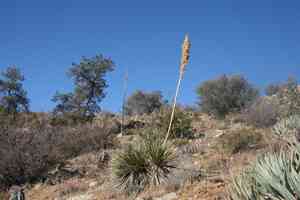
Bigelow's nolina, a robust and adaptable plant, thrives in bright, direct sun. Ideally, it benefits from at least 6 hours of full sun daily. This plant originates from arid regions, accustomed to strong sunlight, making it perfect for sunny garden spots.
Impact of Full Sun Exposure
Consistent full sun exposure ensures Bigelow's nolina develops strongly. Ample light encourages lush green foliage and helps maintain the plant's structure. However, watch for early signs of scorching, especially in peak summer, as excessive sun can cause leaf burn.
Partial Sun Adaptability
While Bigelow's nolina prefers full sun, it can tolerate partial sun. In such cases, placing the plant where it gets several hours of direct morning sun followed by afternoon shade can be advantageous, particularly in warmer climates.
Indications of Excessive or Insufficient Sunlight
Symptoms of Overexposure
Too much sunlight can lead to scorched leaves, appearing dry and brown. If you observe white, bleached areas on the foliage, it suggests the plant is receiving too much sun. Prompt action is needed to provide partial shade, especially during midday.
Signs of Inadequate Sunlight
Insufficient sunlight can cause Bigelow's nolina to develop elongated stems, sparse foliage, and dull-colored leaves. The plant may also seem weaker and grow more slowly. Move the plant to a brighter location to ensure it gets enough light for photosynthesis.
How to Modify Light Exposure
To correct light exposure, gradually introduce Bigelow's nolina to its new environment. For overexposed plants, consider using a shade cloth during peak sun hours. Conversely, if the plant lacks sunlight, slowly expose it to more direct light to prevent shock.
Best Practices for Indoor and Outdoor Cultivation
Indoor Light Sources
Bigelow's nolina requires bright, indirect light when grown indoors. It's best positioned near a south-facing window where it can receive ample reflected light. Grow lights can also supplement the plant's light needs, especially during darker months.
Outdoor Planting Methods
For outdoor planting, select a site that gets plenty of sunlight. Raised beds or well-drained garden areas are ideal. Ensure the plant isn't shaded by taller plants or structures for most of the day. If temperatures become extremely high, consider temporary shading.
Seasonal Light Fluctuations
Remember that sunlight intensity and duration vary with the seasons. In summer, Bigelow's nolina might need some protection from intense afternoon sun. In winter, ensure it's placed to receive the maximum available sunlight.
Sunlight and Bigelow's nolina's Growth Phases
Seedling Stage
During its seedling phase, Bigelow's nolina needs filtered sunlight. Direct, strong sunlight can be too harsh for delicate seedlings. Gradually increase light exposure as the plant matures to help it adapt to brighter conditions.
Mature Plant
A fully grown Bigelow's nolina can endure and flourish in full sunlight, growing vigorously with well-developed leaves and strong stems. This stage is less demanding, though periodic checks should be made for signs of light-related stress.
Reproductive and Flowering Stage
During the reproductive and flowering stages, sufficient sunlight is vital for Bigelow's nolina. Light promotes flower bud formation and enhances blooming. Ensure the plant remains in optimal light conditions to support this energy-intensive phase.



