How to Transplant Water mimosa?
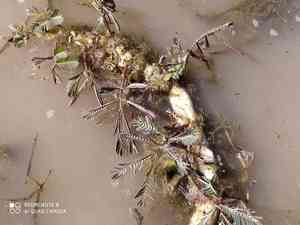
Relocate water mimosa during the mild temperatures of late spring to early summer to encourage robust root development. Select a bright, damp location where water mimosa can flourish. A helpful suggestion: guarantee the soil remains hydrated after transplanting for a thriving, expanding water mimosa.
Essential Preparations Before Relocating Water Mimosa
Optimal Timing for Water Mimosa Relocation
The best period for moving water mimosa is when late spring's warmth transitions into early summer. This season provides consistent temperatures, avoiding early spring's cold snaps, and offers an extended duration of favorable growing conditions. Transplanting at this time allows the plant to develop a strong root system before peak summer heat, while also benefiting from increased daylight for photosynthesis and growth.
Recommended Spacing Between Water Mimosa Plants
For new gardeners, when planting water mimosa, position each plant approximately 1-2 feet (30-60cm) apart. This spacing ensures each plant has sufficient room to grow and effectively spread its root system.
Ideal Soil Mixture for Water Mimosa Transplanting
Water mimosa thrives in sandy or loamy soil, which facilitates nutrient absorption. For initial fertilization, consider a balanced blend like 10-10-10. This can be readily found at any garden supply store.
Choosing a New Location for Your Water Mimosa
For thriving growth, water mimosa requires ample sunlight. Select a spot that receives at least 6-8 hours of direct sun daily. Don't be intimidated; as a gardener, you'll quickly learn to identify the sunniest areas.
Equipment Needed Before Transplanting Water Mimosa
Gardening Gloves
To safeguard your hands when handling tough soil and sharp implements.
Trowel
For excavating a new hole at the transplant site and loosening any compacted soil.
Shovel
Necessary for moving a mature water mimosa plant, aiding in its removal without root damage.
Watering Can/Hose
To hydrate the plant both before and after its relocation.
Pruning Shears
To trim any damaged or excessively long roots during the transplanting process.
Bucket or Wheelbarrow
To transport the water mimosa from its original spot to the new site without harming its roots.
How to Extract Water Mimosa from the Soil
How to Extract Water Mimosa from the Soil
From Ground: First, water the water mimosa to moisten the soil, making digging easier. Use your shovel to create a trench around the plant, being careful not to disturb the root platform. Gradually deepen the trench, then work the shovel beneath the root ball. Lift the water mimosa from the ground, keeping the entire root ball intact. Keep the root ball damp throughout the process.From Pot: Water the water mimosa sufficiently so the root ball remains cohesive when removed. Invert the pot while holding the water mimosa at its base near the soil. Gently dislodge the plant, taking care not to damage the root ball.From Seedling Tray: Allow the water mimosa to reach 3-4 inches in height within the tray. Using a spoon or small tool, carefully lift the seedlings from the tray without harming the delicate root system. Minimize root disturbance.
Step-by-Step Guide for Transplanting Water Mimosa
New Location Preparation
First, prepare the new planting site. The hole should be twice as wide and as deep as the water mimosa's root ball.
Plant Relocation
Using a bucket or wheelbarrow, move your water mimosa from its initial spot to the new transplanting location. During this, strive to keep the root ball undisturbed.
Placement and Backfilling
Position the water mimosa in the center of the hole. Backfill with the excavated native soil, avoiding compost or amendments that might prevent roots from spreading beyond the hole. The top of the root ball should be level with the surrounding ground.
Finishing Touches
Gently firm the soil around the plant to secure it without over-compressing. Water the plant generously to settle the soil around its roots.
Monitoring
Observe your newly transplanted water mimosa to ensure it adapts well to its new environment.
Post-Transplant Care for Water Mimosa
Watering
After transplanting, ensure the water mimosa is well-hydrated, but avoid overwatering to prevent root rot. Continuously check soil moisture, watering when it feels dry to the touch.
Pruning
In the initial weeks post-transplant, water mimosa might exhibit transplant shock, indicated by wilting leaves and slow growth. Light pruning can remove these affected parts, encouraging new, healthy development.
Weed Management
Be diligent about controlling weeds around the water mimosa, especially in the first few months, as competition for resources can impede healthy growth. Regularly remove any weeds that appear near the plant.
Resolving Common Water Mimosa Transplantation Issues
When is the best time to transplant water mimosa?
The ideal period to transplant your water mimosa is during seasonal shifts, specifically late in the third season or early in the fourth season.
What is the recommended spacing for planting water mimosa?
To allow for growth and air circulation, maintain a distance of approximately 1-2 feet (30-60 cm) between each water mimosa plant during transplanting.
Why are my transplanted water mimosa plants wilting?
Wilting can result from transplant shock. Ensure the soil is adequately moist, and shield your water mimosa plants from harsh weather and direct sunlight for a few days.
What type of soil is most suitable for transplanting water mimosa?
Water mimosa thrives in loamy, well-draining soil. Ensure the soil has a balanced mix of sand, silt, and clay, and is well-aerated before planting.
How deep should I plant my water mimosa during transplanting?
Plant them at the same depth they were in their previous growing location, typically about 5-6 inches (13-15 cm) deep. Avoid burying the stem.
How frequently should I water my water mimosa after transplanting?
Water thoroughly once after transplanting. Afterward, maintain moderate watering based on the soil's moisture retention and the plant's appearance.
My transplanted water mimosa isn't growing. What should I do?
First, be patient. If there's no progress after a couple of weeks, confirm it's receiving sufficient sunlight, the soil is well-draining but not dry, and no pests are visible.
Can I use fertilizers after transplanting water mimosa?
Yes, you can use fertilizers, but it's best to wait one to two weeks after transplanting. Use a balanced, slow-release fertilizer to avoid over-feeding the water mimosa.
Should I prune my water mimosa after transplanting?
Not immediately. If the plant establishes well after a few weeks, feel free to prune any old or damaged leaves to encourage new growth.
What precautions can I take to ensure successful water mimosa transplanting?
Ensure correct timing, soil type, planting depth, spacing, watering routine, and post-transplant care. Also, minimize handling of the root ball to reduce stress on water mimosa.



