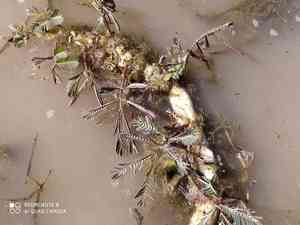
Water mimosa (Neptunia oleracea)
Also known as: Water Mimosa, Sensitive Neptunia, Water Sensitive Plant
The term "oleracea" in the Latin name of water mimosa means "vegetable" or "herb," indicating its edibility. Water mimosa, often cultivated in ponds and rain gardens for its ornamental appeal, is also considered an invasive species in certain tropical regions because of its rapid and aggressive growth.
In This Article
Attributes of Water mimosa
Lifespan
Perennial
Plant Type
Shrub
Plant Height
8 cm to 15 cm
Spread
90 cm to 1.5 m
Leaf Color
Green
Flower Size
2.5 cm
Flower Color
Yellow Green
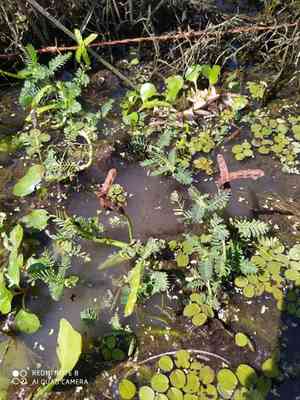
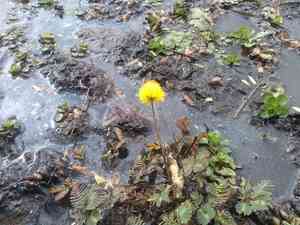
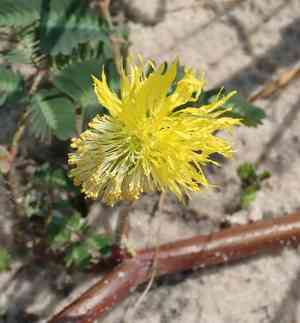
Images of Water mimosa
Quickly Identify Water mimosa
1
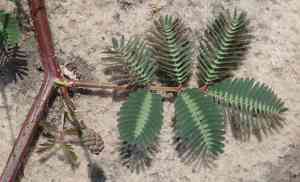
Neptunia oleracea can be identified by its floating, mat-forming stems and its pinnate leaves that close when touched. The plant also produces small yellow, fluffy, ball-like flowers.
Scientific Classification of Water mimosa
Phylum
Vascular plants
Class
Dicotyledons
Order
Fabales
Family
Legume
Genus
Neptunia
Species
Water mimosa
Planting and Growing of Water mimosa
Care Difficulty
Easy
Watering Schedule
Every 8 days
Sunlight Requirements
Partial sun
Sunshine Duration
4-8 hours
Ideal Temperature
75-86℉
Soil Type
Potting Mix, Peat Mix
Soil pH
6.5-7.5
Fertilizer Type
Balanced
Pruning Season
Spring, Summer
Pruning Area
Branches, Leaves
Pruning Frequency
2 times a year
Repotting Season
Spring
Pot Type
Terracotta, Plastic
 How to Water Water mimosa?
Neptunia oleracea requires consistent and adequate watering due to its semi-aquatic nature. The principle is to keep the soil moist without being waterlogged. Use approximately 200 milliliters of water per session, ensuring the water seeps into the soil evenly.
What are the symptoms of an underwatered Water mimosa?
›
What should I do if my Water mimosa is not getting enough water?
›
What are the symptoms of an overwatered Water mimosa?
›
How to save an overwatered Water mimosa?
›
 What Are the Sunlight Requirements for Water mimosa?
The ideal light range for Neptunia oleracea includes partial sunlight with periods of full sun exposure. Optimal lighting supports vibrant growth and improves its physiological functions significantly.
More About Sunlight Requirements Techniques→
What is the optimal sunlight requirement?
›
How can you achieve ideal lighting conditions?
›
What are the benefits of proper sunlight exposure?
›
 What Is the Ideal Temperature Range for Water mimosa?
The ideal temperature range for growing Neptunia oleracea is between 75°F and 86°F. This range ensures optimal growth and health for the plant. Being native to tropical climates, the plant thrives in warm environments and is sensitive to cold. It requires consistent warmth to maintain its water-sensitive and nitrogen-fixing properties, which are more active in these conditions. A steady temperature within this range helps the plant to photosynthesize efficiently and fosters optimal nutrient uptake.
 What Soil is Best for Water mimosa?
Neptunia oleracea thrives in well-drained soil, which helps prevent root rot by allowing excess water to move away from the roots. This drainage efficiency is essential to maintain healthy root systems and promote vigorous plant growth. The plant prefers soil rich in organic matter, which provides necessary nutrients and a stable environment for growth. Nutrient-rich soil supports the overall health of Neptunia oleracea, enhancing its resilience against pests and diseases. A neutral pH range of 6.5 to 7.5 is optimal as it facilitates the availability of essential nutrients, promoting efficient nutrient uptake by the plant's roots. This balance helps in maintaining vibrant foliage and a robust overall plant structure.
 How to Fertilize Water mimosa?
For Neptunia oleracea, a balanced fertilizer with a ratio like 10-10-10 is recommended. When using liquid fertilizer, apply approximately half a teaspoon per gallon of water. Be cautious to not overdo it, as too much can lead to nutrient burn.
 How to Prune Water mimosa?
Select a pair of sharp pruning shears to make clean cuts on your Neptunia oleracea. Clean tools help prevent the spread of diseases. Ensure that the shears can comfortably fit in your hand to allow precise movements. It's important to sanitize your tools before and after use with rubbing alcohol to maintain plant health. Inspect the plant thoroughly for dead or diseased leaves and stems. Pruning these parts enhances air circulation and helps prevent fungal diseases. Look for discolored or wilting parts and make precise cuts as close to the main stem as possible, without damaging the healthy tissue. Focus on trimming any overgrown, leggy, or unhealthy stems of your Neptunia oleracea. This will help promote bushier growth and enhance the plant's overall appearance. Trim back to just above a node or leaf joint to stimulate new growth points and improve vigor.
More About Pruning Techniques→
 How to Propagate Water mimosa plant?
1
Select a well-draining potting mix with good aeration for seed propagation. If propagating by cuttings, consider a perlite or sand mix to ensure adequate drainage. The soil should be moistened before planting to create a conducive environment for root growth.
2
Sow seeds evenly across the soil surface in a seed tray, gently pressing them into the soil. Cover the seeds lightly with a thin layer of soil. Ensure even moisture and maintain a temperature of around 75°F (24°C) for optimal germination over the following weeks.
3
Select a healthy parent plant and cut a 4-6 inch section just below a node. Remove the lower leaves and dip the cut end in rooting hormone before planting it in moist soil. Keep the cutting in indirect sunlight to prevent scorching while roots develop.
 How to Repot Water mimosa plant?
1
Repot Neptunia oleracea when you notice that the roots are tightly bound or emerging from the drainage holes. It's also time to repot if growth seems stunted or the plant is outgrowing its container. Typically, spring or early summer is the ideal period for repotting, allowing the plant to settle during its growing phase.
2
Choose a pot that is one size larger than the current one with adequate drainage holes. A pot that is too large could lead to excess moisture in the soil and potential root rot, whereas the right size provides room for growth without overwhelming the plant’s current root system.
3
The best soil is well-draining sandy soil, offering excellent aeration while retaining enough moisture for the plant's needs. This soil type mimics their natural habitat, preventing waterlogging and protecting the roots from rot, ensuring healthy growth.
Learn More About Water mimosa Diseases
Anthracnose
Bacterial Leaf Spot
Bacterial Soft Rot
Bacterial Wilt
Crown Gall
Cyst Nematode
Damping-off
Downy Mildew
Drought Stress
Fusarium Wilt
Gray Mold
Leaf Spot
Mosaic
Nutrient Deficiency
Nutrient Toxicity
Powdery Mildew
Root Rot
Root-knot Nematode
Sooty Mold
Spider Mites
Temperature Stress
Thrips Damage
White Mold



