How to Propagate Water mimosa?
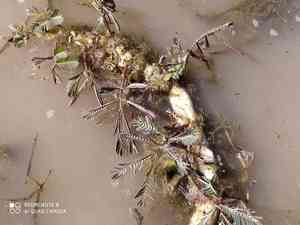
Water mimosa, a buoyant aquatic flora, flourishes in moist habitats and is frequently utilized for its visual appeal and environmental advantages in water features. For multiplying water mimosa, cultivators predominantly employ stem segments, a technique that guarantees swift and efficient development. It is crucial to choose robust stem portions and position them in appropriate aquatic surroundings, where they can quickly take root and expand. Consistent oversight and upkeep of water purity and illumination levels will maximize the propagation achievements and well-being of water mimosa.
Optimal Period for Water Mimosa Propagation
Propagation Method
Cutting
Propagation Season
Autumn,Winter
Tools Required for Water Mimosa Propagation
Sharp Pruning Shears
These are crucial for acquiring healthy cuttings from water mimosa. Sharp blades ensure a clean cut, minimizing harm to the parent plant and boosting the likelihood of successful rooting. It's vital to use shears that are well-maintained and sanitized to prevent disease transmission during cutting.
Rooting Hormone
This substance is essential for improving the rooting success of water mimosa cuttings. Rooting hormones, typically containing auxins, stimulate root development more rapidly and vigorously than untreated cuttings. This enhances the overall propagation efficiency and plant viability.
Sterilized Potting Mix
Utilizing a sterile potting mix helps avert fungal and bacterial infections, which can be detrimental during the delicate phase of root formation in water mimosa. A lightweight mix specifically formulated for aquatic plants that supports moisture retention without becoming waterlogged is preferred.
Propagation Trays
These containers are ideal for organizing and nurturing multiple cuttings of water mimosa in a controlled setting. Features such as humidity domes can help maintain the necessary high humidity and stable temperature, boosting rooting success.
Watering Can with a Fine Rose
This implement allows for gentle irrigation that will not disturb the newly planted cuttings of water mimosa. Itâs important to keep the soil consistently moist but not excessively wet, as water mimosa cuttings require a delicate balance of moisture to initiate root growth.
How to Propagate Water Mimosa?
Propagation Type
Moderately Difficult
Caring for Your Newly Propagated Water Mimosa
Caring for Your Newly Propagated Water Mimosa?
Once rooting is established, transfer the water mimosa into its permanent aquatic environment or a well-draining pot submerged in water. Maintain high humidity and partial sunlight exposure. Regularly monitor water levels and quality to ensure vigorous growth. Water mimosa benefits from occasional feeding with a balanced liquid fertilizer during the growing season.
Common Errors to Avoid When Propagating Water Mimosa
Overcrowding cuttings
Placing too many water mimosa cuttings in close proximity in water or soil can diminish air circulation and light penetration, potentially leading to fungal infections or poor root development.
Suboptimal water conditions
Using stagnant or contaminated water can expose water mimosa to pathogens and hinder root growth. Proper water quality is crucial since water mimosa thrives in aquatic environments.
Ignoring nutritional needs
Neglecting the addition of nutrients, especially in water propagation setups, can deprive water mimosa of essential nutrients, impacting their growth and health.
Tips For Propagating Water Mimosa
Use clean, fresh water
For water propagation of water mimosa, always use fresh, clean water to prevent disease and promote healthy root development. Changing the water regularly can also help maintain optimal conditions.
Provide ample space
Ensure that cuttings of water mimosa are spaced adequately to enhance access to light and air, which promotes stronger root systems and prevents the spread of diseases.
Nutrient supplementation
Add liquid fertilizers approved for aquatic plants when propagating water mimosa in water to support robust growth since they do not receive nutrients from soil in this setup.



