How to Prune Water mimosa?
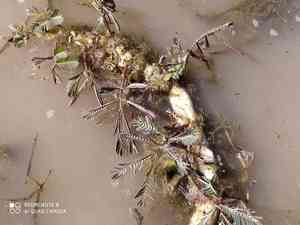
Water mimosa, a plant that flourishes in watery habitats, benefits from trimming to foster a denser appearance and control its surface-level expansion. Perform this task in late winter or early spring, prior to the onset of vigorous development. To preserve a condensed shape, snip the ends of stems and discard any discolored foliage. Consistent trimming deters excessive elongation and facilitates better air circulation and light exposure, thereby boosting its general well-being and aesthetic value. Always use disinfected implements to avert the spread of pathogens.
What Are the Benefits of Pruning Water Mimosa?
What Are the Benefits of Pruning Water Mimosa?
Trimming water mimosa promotes more robust development by reallocating energy to new shoots, leading to a fuller, stronger plant. Regular cuts help maintain its form, ensuring a compact and attractive look.
What Is the Best Time for Pruning Water Mimosa?
What Is the Best Time for Pruning Water Mimosa?
Pruning water mimosa in late winter or early spring is recommended as it aligns with the end of dormancy but before the spring's vigorous growth. Late winter pruning allows for shaping and removal of frost-damaged or dead tissue, preparing the plant for new growth. This timing also lessens pruning stress since the plant is dormant and hasn't yet focused resources on leafing out. Furthermore, pruning before water mimosa's active growth minimizes fungal or pest infection risks, which are lower in cooler weather. However, gardeners should monitor frost forecasts to avoid cutting too early, which could cause additional cold damage. Pruning in early spring ensures the plant's energy goes into producing healthy new shoots, enhancing overall growth and vitality throughout the growing season.
What Tools Do I Need to Prune Water Mimosa?
Bypass Pruners
Perfect for making precise cuts on water mimosa, bypass pruners operate like scissors, providing clean cuts vital for the plant's health.
Long-Handled Loppers
For reaching deep into water mimosa's dense foliage, long-handled loppers offer the necessary reach and leverage to trim thicker stems without harming the plant.
Gardening Shears
These are useful for trimming water mimosa's softer stems and leaves, encouraging bushier growth and maintaining the plant's desired shape.
Pruning Saw
If water mimosa has matured and developed thicker branches needing removal, a pruning saw can handle larger diameter stems, minimizing plant damage.
How to Prune Water Mimosa
Clean tools
Before pruning water mimosa, ensure tools are clean and sharp to prevent disease introduction during trimming. Sterilize blades with alcohol or a bleach solution.
Dead material
Remove dead branches and withered leaves from water mimosa by making clean, 45-degree cuts just above a leaf node or main stem. Use appropriate tools like pruning shears for smaller growth or loppers for larger branches.
Diseased parts
Identify and carefully remove diseased leaves and branches from water mimosa. Cut well below affected sections to stop illness spread. Properly dispose of infected material, away from healthy plants.
Shaping
Thin out overcrowded areas of water mimosa to improve light penetration and air circulation. Focus on branches that are crossing or crowding others, making cuts at the base of unwanted growth.
Cleanup
After pruning water mimosa, clear all debris from the surrounding area to prevent disease risk. Sanitize tools again before storage to prevent cross-contamination with other plants.
Common Pruning Mistakes with Water Mimosa
Over pruning
Removing too much foliage from water mimosa can hinder its ability to photosynthesize and grow properly, potentially leading to weakened plants or even death.
Random cuts
Making cuts without understanding water mimosa's growth pattern can result in uneven development, making the plant less attractive and potentially affecting its health.
Neglecting tool hygiene
Using unclean pruning tools can introduce diseases to water mimosa, which thrives in aquatic environments that may propagate pathogens more easily.
Ignoring dead growth
Failing to remove dead or dying shoots from water mimosa not only detracts from its appearance but can also invite disease and pests.
Pruning blindly
Cutting without a clear goal or understanding of water mimosa's specific needs can lead to suboptimal results, like impairing flowering or the plant's natural shape.
Avoiding thinning
Some gardeners avoid thinning water mimosa's dense growth, which is a mistake as it prevents light and air from reaching the inner parts, potentially leading to poor health and fewer blooms.
Common Pruning Tips for Water Mimosa
Clean cuts
Ensure clean cuts on water mimosa using sharp, sanitized pruning tools, which aids in quick and healthy healing.
Selective pruning
Practicing selective pruning helps water mimosa maintain a desirable shape and promotes better air circulation and sunlight penetration.
Maintenance pruning
Regularly prune dead or yellowing leaves from water mimosa to maintain its aesthetic appeal and prevent potential disease spread.
Encourage flowering
To encourage flowering in water mimosa, selectively remove older stems, allowing the plant to redirect energy into producing blooms.
Structural strength
When pruning water mimosa, aim to enhance the plant's structural strength by retaining strong, well-placed branches and removing weaker shoots.
Prune for rejuvenation
Initiate rejuvenation pruning for older plants of water mimosa by cutting back to healthy, vigorous growth points, which stimulates new growth.



