How to Transplant Green needlegrass?
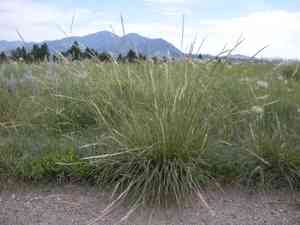
For green needlegrass, the ideal time for root development spans from the onset of early spring to the mild temperatures of late spring. Choose a location that receives abundant sunlight and possesses soil with good drainage. During the transplanting process, take care to minimize disruption to the roots to encourage vigorous growth.
What Preparations are Needed Before Transplanting Green Needlegrass?
What is the Ideal Time for Transplanting Green Needlegrass?
The prime period to relocate green needlegrass is when spring revitalizes the ground, typically from the initial spring thaw until the onset of summer's warmth. Moving green needlegrass during this timeframe leverages the season's mild temperatures and increasing daylight, which promotes strong root development and growth. This timing precedes the summer heat, enabling green needlegrass to acclimate without the strain of midsummer's intensity, setting the stage for a lush, flourishing presence throughout the growing season.
How Much Space Should You Leave Between Green Needlegrass Plants?
As you prepare to move your green needlegrass, aim for a comfortable spacing of approximately 15-18 inches (38-46 cm) between each plant. This provides your green needlegrass ample room for root expansion and healthy growth without overcrowding adjacent plants.
What is the Best Soil Mix for Green Needlegrass Transplanting?
For your green needlegrass, a well-draining loamy soil is most suitable. Prior to planting, enrich the soil by incorporating a balanced, slow-release fertilizer to give your green needlegrass a strong start. A soil test kit can help confirm appropriate pH and nutrient levels.
Where Should You Relocate Your Green Needlegrass?
Select a sunny location for your green needlegrass where it can receive at least 6 hours of sunlight daily. Ample sunlight encourages vigorous growth and blooming, so choose a spot where your green needlegrass will get sufficient rays, whether it's full sun or partial shade.
What Equipments Should You Prepare Before Transplantation Green Needlegrass?
Gardening Gloves
To safeguard your hands while handling soil and plants.
Shovel or Spade
For excavating the plant and preparing the new planting site.
Garden Fork
To loosen soil around the plant's root system if necessary.
Hand Trowel
For detailed work around the plant or digging smaller holes.
Watering Can or Hose
To hydrate the plant before removal and after relocation.
Wheelbarrow or Garden Cart
To transport the plant and soil materials.
Pruning Shears
To trim any damaged roots or foliage.
Rooting Hormone (optional)
To stimulate root development in its new environment.
How Do You Remove Green Needlegrass from the Soil?
How Do You Remove Green Needlegrass from the Soil?
From Ground: Hydrate the green needlegrass plant to moisten the soil. Use a shovel or spade to dig a wide perimeter around the plant, encompassing enough of the root system. Gently pry beneath the root ball to lift the plant from the ground, minimizing root damage.From Pot: Water the green needlegrass, allowing the soil to absorb moisture. Turn the pot on its side and lightly tap to dislodge the plant. Grasp the base of the plant and carefully extract it from the pot, keeping the root ball intact.From Seedling Tray: Water the tray gently. Use a hand trowel or similar tool to carefully remove each green needlegrass seedling from the tray while preserving the soil and root structure.
Step-by-Step Guide for Transplanting Green Needlegrass
Prep the New Site
Gather all necessary tools and prepare the new planting hole, making it twice as wide and as deep as the green needlegrass's root ball.
Remove the Plant
Follow the appropriate removal procedure to extract the green needlegrass from its current spot without harming the root system.
Transplanting Hole
Place the plant in the new hole, ensuring it sits at the same depth it was previously growing. Adjust the hole's depth as needed.
Root Treatment
If using, apply a small quantity of rooting hormone to the roots to aid in establishment.
Positioning
Ensure the green needlegrass is upright and centered within the hole.
Backfill the Hole
Begin gently refilling the hole with the excavated soil, making sure there are no air pockets by lightly firming down the soil.
Water Thoroughly
Water the green needlegrass generously immediately after planting to help settle the soil around the roots and provide essential hydration.
Mulch
Apply a layer of mulch around the plant's base to help retain moisture and regulate soil temperature, avoiding direct contact with the plant's stems.
How Do You Care For Green Needlegrass After Transplanting?
Monitoring
Regularly check the soil moisture around the green needlegrass and irrigate as needed, especially during dry periods, without overwatering.
Support
If the green needlegrass shows signs of stress or instability, provide support using stakes or plant ties.
Pruning
Trim away any damaged or dead foliage to direct the green needlegrass's energy towards establishing new roots.
Protection
In the event of unexpected frost, provide protective coverings for the green needlegrass to prevent damage.
Observation
Watch for indications of transplant shock, such as wilting or leaf discoloration, and take appropriate action if necessary.
Troubleshooting Common Issues with Green Needlegrass Transplantation.
When's the optimal time to transplant green needlegrass?
The best period is from early to late spring, as weather conditions support root establishment.
What spacing is suggested for green needlegrass to thrive after transplanting?
It's ideal to space them 15-18 inches apart (38-45 cm), which allows ample room for growth.
Why is my green needlegrass wilting after transplanting?
Wilting can be due to transplant shock. Ensure proper watering and avoid full sun for a few days.
How deep should I plant green needlegrass during transplant?
Plant them at the same depth they were growing before, typically not deeper than their root ball.
Can green needlegrass be transplanted on a hot, sunny day?
Transplant during cooler or overcast days to minimize stress and evaporation.
How often should green needlegrass be watered after transplanting?
Water generously immediately after transplanting, then adjust to moderate, consistent watering until established.
What type of soil is best for transplanting green needlegrass?
Well-draining soil with average fertility is ideal for green needlegrass to prevent root rot and ensure growth.
Should I fertilize green needlegrass when transplanting?
A light application of balanced fertilizer can help, but excessive feeding may harm the delicate roots.
How can I protect newly transplanted green needlegrass from frost?
Cover green needlegrass with frost cloth if unexpected frost is forecasted shortly after transplanting.
What is a sign that green needlegrass is successfully establishing post-transplant?
New growth and green, perky foliage are signs that green needlegrass is adapting well to its new location.



