Enhancing Your Garden Design with the Green needlegrass Plant: A Landscaping Guide
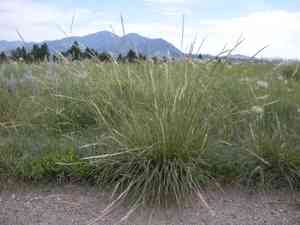
1
Green needlegrass provides substantial ecological advantages, such as preventing soil erosion and boosting species diversity.
2
Green needlegrass possesses remarkable visual appeal, adding an elegant element to any garden aesthetic.
3
Green needlegrass is recognized for its resilience and flexibility, positioning it as a adaptable option for diverse environments.
Why Opt for Green Needlegrass in Your Landscape Design?
Ecological Advantages of Green Needlegrass
A primary justification for integrating Green Needlegrass into your landscaping is its numerous ecological benefits. Green Needlegrass excels at preventing soil erosion due to its extensive root system, which anchors the soil and promotes stability. Furthermore, Green Needlegrass significantly boosts local biodiversity. It offers a habitat for various insects and wildlife, supporting the regional ecosystem. The presence of Green Needlegrass in your garden can, therefore, foster a healthier, more vibrant ecological community.
Aesthetic Appeal of Green Needlegrass in Garden Layouts
Beyond its environmental perks, Green Needlegrass greatly enhances the visual charm of any landscape. With its graceful, arching blades and soft, feathery appearance, Green Needlegrass adds texture and movement to garden spaces. It complements a wide array of other plants, making it a versatile choice for both contemporary and traditional garden designs. Whether utilized as a focal point or as a subtle backdrop for flowering plants, Green Needlegrass deepens your garden's beauty, creating a tranquil and picturesque setting.
Resilience and Adaptability of Green Needlegrass
Durability is another prominent characteristic of Green Needlegrass, making it a practical option for gardeners. It flourishes in diverse soil types, from sandy loam to clay, and is highly drought-tolerant once established. This adaptability means Green Needlegrass can be employed in various climates and environmental conditions, from arid regions to more temperate landscapes. Moreover, its low maintenance demands mean even beginner gardeners can successfully cultivate and enjoy Green Needlegrass, making it an accessible choice for many.
Integrating Green Needlegrass into Your Existing Landscape
Fundamental Guidelines for Planting Green Needlegrass
When planting Green Needlegrass, it's crucial to consider the timing and placement for optimal development. The ideal period to plant Green Needlegrass is in early spring or late fall when temperatures are moderate. Select a sunny or partially shaded spot in your garden with well-drained soil. Begin by loosening the soil and incorporating organic matter like compost to improve fertility. Dig holes twice as wide as the root ball of the Green Needlegrass seedlings and space them about a foot apart to allow for growth. Water thoroughly after planting, and maintain consistent moisture until the plants are well-established.
Design Pointers: Achieving Visual Impact with Green Needlegrass
To create a striking visual impact with Green Needlegrass in your garden, consider its positioning and combination with other plants. Green Needlegrass works wonderfully as a border plant along pathways or garden edges, where its elegant form can be appreciated up close. For a more naturalistic look, group Green Needlegrass in clusters or drifts that mimic its wild growth. Pair Green Needlegrass with flowering perennials like coneflowers or black-eyed Susans for contrasting colors and textures. Additionally, Green Needlegrass can be used in mixed prairie plantings, rock gardens, or alongside ornamental grasses to forge a harmonious and visually appealing landscape.
Seasonal Maintenance of Green Needlegrass
Spring and Summer Care Advice for Green Needlegrass
During the spring and summer months, Green Needlegrass requires regular irrigation, especially during dry spells. However, avoid excessive watering as it can lead to root rot. Applying a balanced fertilizer in early spring can encourage healthy growth. Be diligent about weed control, as weeds can compete with Green Needlegrass for nutrients and space. In early summer, you might observe Green Needlegrass beginning to bloom, adding a lovely visual element to your garden. Regularly trim any dead or damaged foliage to maintain a tidy appearance and promote new growth.
Preparing Green Needlegrass for Autumn and Winter
As autumn approaches, reduce watering frequency to allow Green Needlegrass to prepare for its dormant winter period. In late fall, cut back the foliage to a few inches above the ground to prevent damage from winter weather. Mulching around the plant bases can help protect the root system from extreme cold. Green Needlegrass is generally hardy and frost-resistant, but in particularly harsh climates, consider additional protection like burlap coverings. As winter transitions to spring, remove any remaining mulch and check for new growth, indicating your Green Needlegrass plants have survived winter and are ready to flourish once more.
Common Issues and Solutions When Cultivating Green Needlegrass
Managing Pests and Diseases Affecting Green Needlegrass
While Green Needlegrass is relatively resistant to most pests and diseases, it's not entirely immune. Common pests include aphids and grasshoppers, which can be controlled with natural predators like ladybugs or by using insecticidal soap. Fungal diseases such as rust or leaf spot can occur in humid conditions; ensure adequate air circulation by spacing plants appropriately and avoid overhead watering. If fungal infections appear, remove and discard affected foliage and apply a fungicide if necessary. Regular inspection and prompt action can keep your Green Needlegrass healthy and thriving.
Addressing Typical Growth Problems in Green Needlegrass
Growth issues usually stem from improper soil conditions or insufficient care. If Green Needlegrass appears stunted or discolored, check the soil pH and fertility levels. Green Needlegrass prefers slightly acidic to neutral soil, so adjust accordingly with soil amendments. Overwatering is another common problem, leading to poor growth or root rot; ensure soil is well-drained and only water as needed. If Green Needlegrass is not flourishing, consider its sunlight exposure. While adaptable, Green Needlegrass performs best in sunny locations with at least six hours of direct sunlight daily. By addressing these fundamental care needs, you can resolve most growth issues and enjoy a lush, vibrant Green Needlegrass in your garden.



