How to Propagate Green needlegrass?
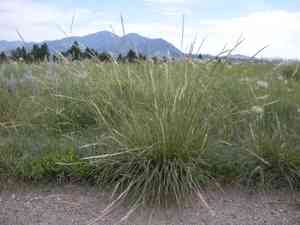
Green needlegrass, a perennial, can be successfully multiplied via division, an efficient method for increasing its presence in a garden or rehabilitating natural environments. To maximize success, it is essential to separate the plant when it is not in bloom. Verify that each segment possesses an ample root structure to sustain its development. Post-planting care is vital; thoroughly irrigate the newly placed plants to encourage rooting and observe them for any pests or ailments that might impede the nascent grass's progress.
When Is the Optimal Time to Propagate Green Needlegrass?
Propagation Method
Division
Propagation Period
Spring,Autumn
What Implements Are Utilized in Green Needlegrass Propagation?
Garden Spade
A robust garden spade is crucial for dividing green needlegrass. Its flat, sharp blade aids in cleanly cutting through the root ball, enabling efficient separation without excessive damage to the plant's root system. Its durable nature ensures precision in division, simplifying the handling of green needlegrass roots, which can be intricate.
Rooting Hormone
Rooting hormone can be employed to boost root development in the divided sections of green needlegrass. When applied to the cut root surfaces, it stimulates root growth, enhancing the establishment rate and overall health of new green needlegrass plants. This aid is particularly beneficial in fostering vigorous growth post-division.
Watering Can with Fine Rose
A watering can equipped with a fine rose attachment allows for gentle irrigation of green needlegrass following division. It is vital to ensure sufficient moisture without causing soil erosion or root exposure, providing an ideal environment for recovery and growth. The fine rose helps distribute water evenly, minimizing disturbance to the freshly planted divisions.
Soil Knife
A soil knife proves useful for detailed tasks during green needlegrass division, especially for gently separating roots without causing extensive harm. Its serrated edge effectively cuts through tougher root masses, while the pointed tip enables precise maneuvering around delicate roots.
Garden Fork
A garden fork is used to initially loosen the soil around green needlegrass before division. This tool reduces stress on the plant's roots by preventing unnecessary pulling or tearing. It's particularly effective for aerating the soil, which benefits root expansion and health as new divisions become established.
How to Propagate Green Needlegrass?
Propagation Type
Easy
How to Nurture Your Newly Propagated Green Needlegrass?
How to Nurture Your Newly Propagated Green Needlegrass?
Post-propagation, irrigate the new green needlegrass plants regularly until they are well-established, typically taking about one season. Green needlegrass is drought-tolerant once mature but benefits from occasional watering during extended dry spells. In early spring, apply a light dose of balanced fertilizer to encourage healthy, robust growth. Remove any competing weeds. Mulching around the base can help retain moisture and suppress weed growth.
Common Errors to Avoid When Propagating Green Needlegrass
Poor soil selection
Utilizing soils that are either too compact or lacking in nutrients can impede the root development of green needlegrass. An unsuitable soil mix can lead to inadequate water drainage or retention, impacting the plant's overall vitality.
Overwatering
During green needlegrass propagation, providing excessive water can result in root rot and fungal diseases, significantly reducing propagation success.
Planting depth
Sowing green needlegrass seeds too deeply can hinder their germination due to insufficient light and oxygen, thereby stifling their growth.
Neglecting stratification
Failing to stratify green needlegrass seeds can lead to poor germination rates. Stratification mimics natural environmental conditions necessary for the seeds to break dormancy.
Tips For Propagating Green Needlegrass
Appropriate soil mix
Employing a well-draining soil mix facilitates the healthy growth of green needlegrass. A blend of loam, sand, and organic material supports proper root development and overall plant health.
Moisture control
Maintaining consistent moisture (not excessively wet) is crucial during the seed germination and initial growth phases of green needlegrass. Implementing a watering regimen that keeps the soil slightly moist without waterlogging will promote healthy root and shoot development.
Seed depth placement
For successful germination, green needlegrass seeds should be positioned at a shallow depth, ensuring they receive ample light and air. A general guideline is to sow seeds at a depth approximately twice their size.
Stratification process
Simulating winter conditions by stratifying green needlegrass seeds can significantly boost germination rates. This involves chilling the seeds in a moist medium for a period before sowing, which aids in breaking seed dormancy.



