How Much Sunlight Do Green needlegrass Need?
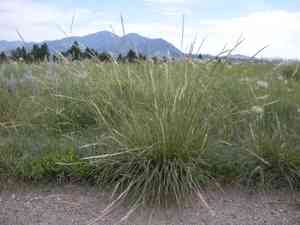
1
To achieve peak growth, Green needlegrass requires more than 6 hours of direct sun each day.
2
Although it can endure some shade, inadequate light may impede the grass's development and strength.
3
Modify sun exposure based on the season to adapt to varying light levels.
Light Requirements for Green needlegrass
Ideal Light Exposure
For optimal growth, Green needlegrass needs full sun, meaning over 6 hours of direct sunlight daily. This exposure is crucial for vigorous development, vibrant coloration, and efficient photosynthesis. The more light this plant receives, the stronger it becomes. It's perfect for bright garden spots where it can absorb all available light.
Effects of Excessive Light
Green needlegrass is tough and can withstand intense, extended sunlight. However, in exceptionally hot regions, too much sun can cause stress, potentially leading to browning at the grass tips. Ensure sufficient hydration during extreme heat to lessen this problem.
Effects of Insufficient Light
While Green needlegrass can endure partial sun, inadequate light can hinder its development. Too little light results in a weaker, sparser plant with less vivid green hues. If planted in a shaded area, anticipate a less vigorous specimen.
Optimal Planting Sites for Green needlegrass
Selecting the Right Outdoor Spot
Choose an area in your garden that receives full sun for most of the day. South-facing locations typically offer the best exposure. Avoid planting near structures or tall vegetation that might cast long shadows. The aim is to maximize the amount of light reaching your Green needlegrass.
Indoor vs. Outdoor Placement
Green needlegrass thrives best outdoors due to its need for abundant sunlight. However, if kept indoors, position it in a spot with maximum light exposure, such as near a south-facing window. Supplemental grow lights may be necessary to meet its light demands.
Strategic Use of Shade and Light
In very sunny climates, employ strategic shading methods to safeguard your Green needlegrass during peak sun hours. This could involve planting near deciduous trees that provide shade during the hottest parts of the day while allowing ample light in the morning and late afternoon.
Seasonal Light Adjustments
Spring and Summer Light Needs
During the spring and summer months, Green needlegrass will require the full extent of daily sunlightâapproximately 6-8 hours. These seasons provide ideal conditions for the grass to photosynthesize efficiently and grow robustly.
Fall and Winter Light Changes
In fall and winter, daylight hours shorten, and light intensity decreases. While Green needlegrass remains quite resilient, try to maximize exposure to any available sunlight, possibly by moving potted plants or managing obstacles that could block light.
Common Light-Related Issues and Solutions
Signs of Sun Damage in Green needlegrass
Symptoms of sun damage in Green needlegrass include brown tips and a scorched appearance on the foliage. To prevent this, ensure consistent watering and, if needed, provide some shade during extreme heat or relocate the grass to a slightly shaded area.
Alleviating Light Stress
To reduce light stress, maintain a regular watering schedule, especially during extended sunny periods. Applying mulch around the base can help retain soil moisture and lessen stress on the plant.
Correcting Light Deficiency
When Green needlegrass doesn't receive enough light, its health can decline. If your planting spot isn't bright enough, consider moving it to a sunnier location. Indoors, use grow lights to supplement natural light.



