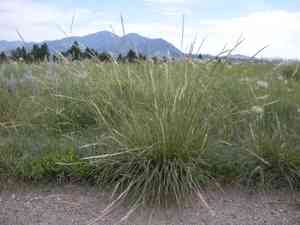
Green needlegrass (Nassella viridula)
Also known as: Green Needlegrass, Virid Stipa
Bluebunch wheatgrass (Pseudoroegneria spicata) is a resilient, drought-resistant grass indigenous to western North America. It serves as a vital food source for livestock, deer, and elk, while also providing essential nesting cover for various bird species.
In This Article
Attributes of Green needlegrass
Lifespan
Perennial
Plant Type
Grass
Plant Height
30 cm to 1.2 m
Spread
30 cm to 1.2 m
Leaf Color
Bright green
Flower Size
10 cm to 25 cm
Flower Color
White Yellow Green Brown
Images of Green needlegrass
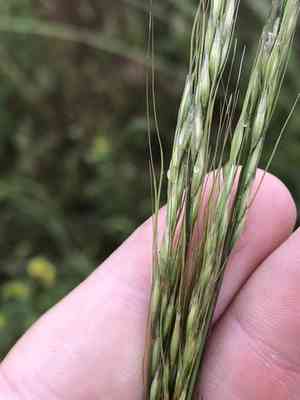
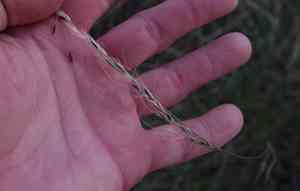
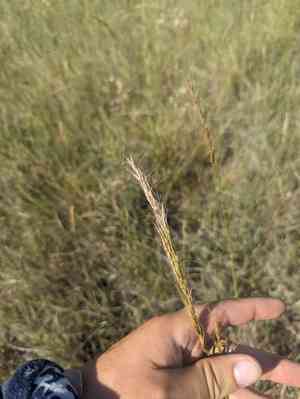
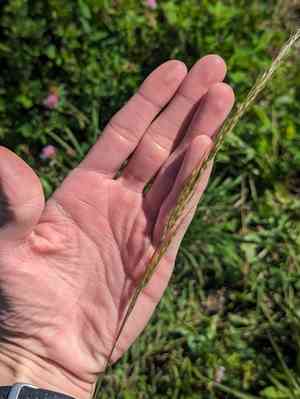
Quickly Identify Green needlegrass
1
Green Needlegrass can be identified by its long, narrow, and sharply pointed leaves that are bright green in color. The inflorescence is an open panicle with delicate, thread-like branches.
Scientific Classification of Green needlegrass
Phylum
Vascular plants
Class
Monocotyledons
Order
Poales
Family
Grass
Genus
Needlegrasses
Species
Green needlegrass
Planting and Growing of Green needlegrass
Care Difficulty
Easy
Watering Schedule
Every 3 days
Sunlight Requirements
Full sun
Sunshine Duration
6-8 hours
Ideal Temperature
60-80℉
Soil Type
Potting Mix, Peat Mix
Soil pH
6.5-7.5
Fertilizer Type
Balanced
Pruning Season
Spring, Summer
Pruning Area
Branches, Leaves
Pruning Frequency
2 times a year
Repotting Season
Spring
Pot Type
Plastic, Ceramic
 How to Water Green needlegrass?
Nassella viridula, commonly known as green needlegrass, thrives when watered deeply to reach the root zone, ensuring consistent moisture without waterlogging. Aim for about 250 milliliters per session, allowing the soil to dry slightly between waterings.
What are the symptoms of an underwatered Green needlegrass?
›
What should I do if my Green needlegrass is not getting enough water?
›
What are the symptoms of an overwatered Green needlegrass?
›
How to save an overwatered Green needlegrass?
›
 What Are the Sunlight Requirements for Green needlegrass?
Nassella viridula thrives best in full sun to partial sun settings. This range allows for optimal photosynthesis, promoting sturdy growth, dense foliage, and a resilient structure.
More About Sunlight Requirements Techniques→
What is the recommended amount of direct sunlight?
›
How can I achieve ideal lighting conditions for this plant?
›
What are the benefits of providing ideal lighting to Nassella viridula?
›
 What Is the Ideal Temperature Range for Green needlegrass?
For Nassella viridula, the optimal temperature range for growth is between 60°F and 80°F. This range provides the best conditions for photosynthesis and metabolic activities, promoting healthy development and robust foliage.
 What Soil is Best for Green needlegrass?
Nassella viridula thrives in well-drained soil, which prevents water from pooling around the roots. Proper drainage is crucial to avoid root rot, thereby ensuring the plant's health and vibrant growth. This plant prefers soil with moderate nutrient content, providing sufficient nutrients for growth without overwhelming it. Balanced nutrients ensure optimal growth, maintaining the plant's deep green foliage. A neutral soil pH is ideal for Nassella viridula, as it ensures the availability of essential nutrients. Correct pH levels facilitate better nutrient uptake, promoting overall plant vigor and resilience.
 How to Fertilize Green needlegrass?
For Nassella viridula, a moderate amount of fertilizer is needed. Use about 1/4 cup of liquid fertilizer per gallon of water or a sparing handful of slow-release granules per plant. This will provide the necessary nutrients without overwhelming the plant.
 How to Prune Green needlegrass?
Begin by inspecting the plant to identify any dead or diseased stems, cutting them as close to the base as possible. Next, trim back about a third of the older stems to their base to encourage new growth and maintain an appealing shape. Make sure to use clean, sharp scissors or pruning shears to prevent any potential damage.
More About Pruning Techniques→
 How to Propagate Green needlegrass plant?
1
Begin by sowing seeds in well-prepared seed trays filled with fine potting soil. Ensure they are evenly spaced and lightly covered with soil. Maintain consistent moisture and position in a warm, bright area but out of direct sunlight.
2
For division propagation, carefully dig around the base of the plant to remove it from the ground. Gently shake off excess soil and use a sharp tool to divide the root mass into multiple sections, each with viable roots.
3
Replant the divisions into pots or directly into the garden. Make sure the crown of each division sits at soil level and water thoroughly to settle the soil around the roots. Continue to monitor moisture levels carefully.
 How to Repot Green needlegrass plant?
1
The signals that Nassella viridula needs repotting include roots growing out of the drainage holes, stunted growth, or the plant tipping over due to being top-heavy. These indicators suggest that it's time for a new pot to provide more space for root growth and nutrients.
2
Select a pot that is one to two sizes larger than the current one, with good drainage to prevent waterlogging. Terracotta or clay pots are ideal as they allow air exchange, which helps keep the roots healthy and prevents root rot.
3
Opt for a well-draining sandy loam soil to mimic the natural habitat of Nassella viridula. This type of soil supports good air flow and water drainage, reducing the risk of root rot while providing sufficient nutrients for optimal growth.



