How to Transplant Nodding Needlegrass?
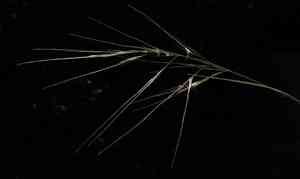
Relocate nodding Needlegrass during the mild temperatures of mid-spring to facilitate ideal root development. Select locations that replicate its native environment, featuring soil that drains effectively, and offer protection from severe weather conditions for superior outcomes.
What Preparations are Needed Before Transplanting Nodding Needlegrass?
What is the Ideal Time for Transplanting Nodding Needlegrass?
Moving nodding Needlegrass during the refreshing period of early to mid-spring ensures it establishes well with the season's mild warmth. This timing allows root development before summer's intense heat, providing a strong base for healthy growth. By relocating nodding Needlegrass during this natural revitalization, you align with its growth cycle, enabling it to flourish in your garden. A friendly reminder: this season truly leverages nature's supportive conditions, giving your nodding Needlegrass the best start in its new spot!
How Much Space Should You Leave Between Nodding Needlegrass Plants?
When relocating nodding Needlegrass, allow each plant ample room to thrive. Aim to space them 12-24 inches (30-61 cm) apart. This ensures sufficient space for growth and proper air circulation!
What is the Best Soil Mix for Nodding Needlegrass Transplanting?
For optimal nodding Needlegrass health, begin with well-draining soil. Consider a loamy mixture as their comfortable bed, and provide them with a balanced, slow-release fertilizer to nourish their new environment.
Where Should You Relocate Your Nodding Needlegrass?
Nodding Needlegrass loves a sunny location to flourish! Select a spot with full sun exposure, where they can receive at least 6 hours of sunlight daily, for their most vigorous growth.
What Equipments Should You Prepare Before Transplantation Nodding Needlegrass?
Gardening Gloves
To safeguard your hands while handling soil and nodding Needlegrass.
Shovel or Spade
For excavating nodding Needlegrass and preparing the new planting site.
Garden Trowel
Useful for managing soil and smaller relocation tasks.
Garden Fork
To help loosen the soil around nodding Needlegrass's roots without causing harm.
Watering Can or Garden Hose
For hydrating nodding Needlegrass before and after relocation.
Pruning Shears
To trim any damaged or dead roots prior to replanting.
Wheelbarrow
To transport nodding Needlegrass and soil to and from the new site.
Mulch
To apply around the base of nodding Needlegrass after relocation to retain soil moisture.
Support Stakes
For stabilizing nodding Needlegrass if necessary post-relocation.
How Do You Remove Nodding Needlegrass from the Soil?
How Do You Remove Nodding Needlegrass from the Soil?
From Ground: First, hydrate the nodding Needlegrass plant to moisten the soil. Then, dig a wide trench around the plant using a shovel or spade, ensuring the plant's root ball remains intact. Carefully work the spade beneath the root ball to lift the plant from its original spot.From Pot: Water the nodding Needlegrass to ensure the soil is damp. Tilt the pot sideways and gently tap the sides to loosen the soil. Support nodding Needlegrass's base with your hands, and slowly ease the plant out of the pot while preserving the soil around the roots.From Seedling Tray: Water the tray to dampen the soil, making removal easier. Use a garden trowel to gently lift each nodding Needlegrass seedling out by the root ball, taking care not to harm the delicate roots.
Step-by-Step Guide for Transplanting Nodding Needlegrass
Preparation
Gather all necessary tools and supplies before beginning the relocation to ensure a smooth process.
Plant Removal
Follow the specific removal procedure for nodding Needlegrass based on its current location â ground, pot, or seedling tray â being gentle with the roots.
Hole Digging
Excavate a hole at the new site that is twice the width and the same depth as the root ball.
Root Pruning
Examine nodding Needlegrass's roots and use pruning shears to snip away any damaged or excessively long roots.
Placement
Position nodding Needlegrass in the new hole, adjusting it so that it's at the same depth it was originally growing. The top of the root ball should be level with the surrounding ground.
Soil Filling
Backfill the hole with soil, gently firming it around the root ball to eliminate air pockets. Ensure the plant is upright and centered.
Watering
Water the plant thoroughly to settle the soil and provide hydration to the roots.
Mulching
Apply a layer of mulch around the base of nodding Needlegrass to help retain moisture and regulate soil temperature.
Support Staking
If nodding Needlegrass is tall or exposed to wind, insert support stakes around the plant and tie it loosely to the stakes for additional stability.
How Do You Care For Nodding Needlegrass After Transplanting?
Watering
Water nodding Needlegrass deeply to encourage root development. Keep the soil consistently moist for the initial few weeks, reducing frequency as the plant establishes.
Monitoring
Regularly inspect nodding Needlegrass for any indications of stress or damage and address issues promptly to aid its recovery.
Staking
Ensure that any support stakes are effective but not too tightly bound, adjusting as needed to allow for natural plant movement and growth.
Mulch Monitoring
Keep the mulch layer intact, adding more if it settles or erodes to maintain the benefits of moisture retention and temperature control.
Troubleshooting Common Issues with Nodding Needlegrass Transplantation.
What's the best time to transplant nodding Needlegrass?
Choose a relocation period from early to late spring, when temperatures support new growth.
How far apart should I space nodding Needlegrass when transplanting?
Ideally, space nodding Needlegrass at intervals of 12-24 inches (30-60 cm) for optimal growth and airflow.
What soil conditions favor nodding Needlegrass after transplanting?
Select well-drained soil with average fertility; nodding Needlegrass doesn't thrive in overly wet conditions.
How deep should I plant nodding Needlegrass roots during transplanting?
Plant the roots slightly deeper than they were in the previous pot, without burying the crowns.
Should I amend the soil when transplanting nodding Needlegrass?
It's beneficial to mix in compost or a balanced slow-release fertilizer to encourage establishment.
How much water does nodding Needlegrass require post-transplant?
Water generously initially to settle the soil, then maintain moderate moisture while nodding Needlegrass establishes.
Is it necessary to prune nodding Needlegrass during transplanting?
Light pruning can help reduce relocation shock, but avoid heavy trimming to preserve energy.
Can nodding Needlegrass handle full sun after being transplanted?
Yes, nodding Needlegrass thrives in full sun, but ensure itâs gradually acclimated to prevent sunburn.
How do I protect newly transplanted nodding Needlegrass from pests?
Monitor regularly for pests, using appropriate controls only if infestations are detected.
Why are my transplanted nodding Needlegrass wilting?
Wilting could be from under- or over-watering, or relocation shock; adjust care accordingly and be patient.



