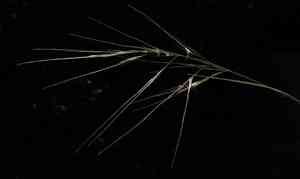
Nodding Needlegrass (Nassella cernua)
Also known as: Nodding Needlegrass
Nodding Needlegrass (Nassella cernua), a bunchgrass native to western North America, is classified as a vulnerable species due to habitat encroachment by invasive grasses. These non-native species outcompete Nodding Needlegrass, leading to its decline. The grass is adapted to minimal water conditions and thrives in full to partial sunlight, but its natural habitats are increasingly compromised by urbanization, agricultural activities, and invasive species. Conservation measures are crucial to safeguard and restore its diminishing populations.
In This Article
Attributes of Nodding Needlegrass
Lifespan
Perennial
Plant Type
Grass
Plant Height
61 cm to 91 cm
Spread
30 cm to 60 cm
Leaf Color
Green
Flower Size
4 mm to 9 mm
Flower Color
Yellow Green Brown
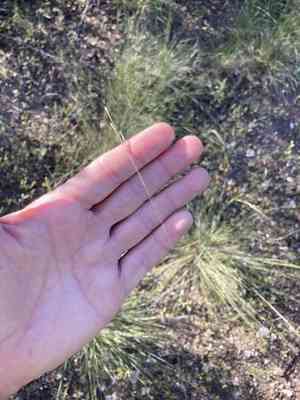
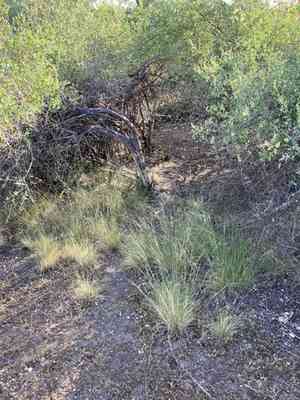
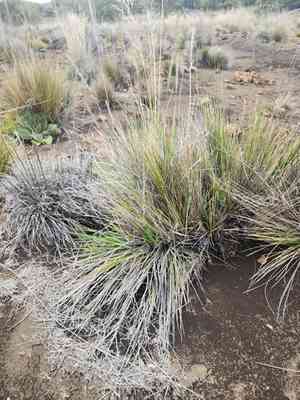
Images of Nodding Needlegrass
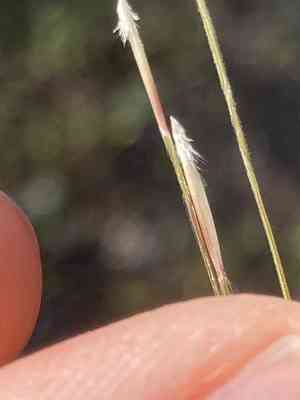
Quickly Identify Nodding Needlegrass
1
To identify Nassella cernua, look for its nodding seed heads and slender needle-like spikelets. The plant grows in tufts with leaves that are narrow and rolled inwards. Its inflorescence is an open panicle that droops at maturity, giving it its \'nodding\' characteristic.
Scientific Classification of Nodding Needlegrass
Phylum
Vascular plants
Class
Monocotyledons
Order
Poales
Family
Grass
Genus
Needlegrasses
Species
Nodding Needlegrass
Planting and Growing of Nodding Needlegrass
Care Difficulty
Easy
Watering Schedule
Every 2 days
Sunlight Requirements
Full sun
Sunshine Duration
6-10 hours
Ideal Temperature
60-75℉
Soil Type
Potting Mix, Peat Mix
Soil pH
6.5-7.5
Fertilizer Type
Balanced
Pruning Season
Spring, Summer
Pruning Area
Branches, Leaves
Pruning Frequency
2 times a year
Repotting Season
Spring
Pot Type
Ceramic, Plastic
 How to Water Nodding Needlegrass?
For Nassella cernua, the right amount of water is crucial. Aim for about 200 milliliters per session. This amount should sufficiently moisten the soil without leaving it waterlogged, allowing for good drainage.
What are the symptoms of an underwatered Nodding Needlegrass?
›
What should I do if my Nodding Needlegrass is not getting enough water?
›
What are the symptoms of an overwatered Nodding Needlegrass?
›
How to save an overwatered Nodding Needlegrass?
›
 What Are the Sunlight Requirements for Nodding Needlegrass?
Nassella cernua thrives under conditions with partial to full sunlight exposure. Adequate light fosters its natural growth routines, enabling it to maintain its structural integrity and vibrant coloration, contributing to increased seed production capabilities.
More About Sunlight Requirements Techniques→
What is the best location for Nassella cernua?
›
How can I ensure Nassella cernua receives adequate sunlight indoors?
›
Why does Nassella cernua prefer bright environments?
›
 What Is the Ideal Temperature Range for Nodding Needlegrass?
For Nassella cernua, the ideal temperature range is between 60°F and 75°F. This range ensures optimal growth and development, providing balance in metabolic processes and preventing stress.
 What Soil is Best for Nodding Needlegrass?
Nassella cernua thrives in soil that offers excellent drainage. This ensures that the roots are not waterlogged, which could lead to root rot. Good drainage is vital for the plant's healthy growth, allowing it to absorb nutrients effectively without the stress of excess moisture. This plant benefits from soil enriched with nutrients. A soil that's rich in organic matter will provide a steady supply of essential nutrients, resulting in robust growth and vibrant appearance. Additionally, nutrient-rich soil can support the plant's resilience against pests and diseases. Nassella cernua performs well in soil with moderate fertility. Balanced soil fertility ensures that the plant receives enough nutrients without overwhelming its natural growth pace, promoting steady and healthy development.
 How to Fertilize Nodding Needlegrass?
For Nassella cernua, use a balanced NPK fertilizer. Apply liquid fertilizer at half the recommended strength to avoid nutrient burn and ensure optimal growth. For slow-release fertilizers, follow the manufacturer's instructions, generally around 1 tablespoon per plant.
 How to Prune Nodding Needlegrass?
Begin by identifying any dead, diseased, or damaged stems. These can often be brown or black and may look different in texture compared to healthy stems. Removing these helps prevent diseases from spreading. Carefully trim back spent flower spikes by cutting them close to the base. This not only tidies up the plant but encourages fresh growth and can lead to a more lush appearance over time. To maintain the desired shape and size, prune back any overgrown areas, being careful to create a balanced look. This helps in avoiding uneven growth and maintains the plant's aesthetics.
More About Pruning Techniques→
 How to Propagate Nodding Needlegrass plant?
1
Collect seeds from mature Nassella cernua plants. Ensure the seeds are fully dry and free from any obvious pests or diseases before storing them in a cool, dry place until planting.
2
Fill seed trays with potting soil and gently press the seeds into the soil, covering them lightly with a thin layer of potting mix. Water the soil lightly to ensure it remains moist but not waterlogged.
3
Place the seed trays in a warm, bright location but out of direct sunlight. Keep the soil consistently moist. Germination should occur within a few weeks depending on environmental conditions.
 How to Repot Nodding Needlegrass plant?
1
You should consider repotting Nassella cernua when you observe signs such as roots protruding from the pot's drainage holes, slow growth despite proper care, or if the plant becomes top-heavy. These are clear indicators that the plant has outgrown its current pot and needs more space to thrive.
2
Select a pot that's about 1-2 inches larger in diameter than the current one. Ensure it has ample drainage holes to prevent waterlogging. A terracotta pot is ideal for its breathability, which aids in keeping the soil well-aerated and reducing root rot risks.
3
Opt for a well-draining sandy soil mix with a pH of 6.0 to 7.5. This composition mimics the plant’s natural habitat, ensuring proper drainage and aeration, thus promoting healthy root development while preventing water stagnation.
Toxicity
None
WARNING
The judgment on toxicity and danger is for reference only. We DO NOT GUARANTEE any accuracy of such judgment. Therefore, you SHALL NOT rely on such judgment. It is IMPORTANT TO SEEK PROFESSIONAL ADVICE in advance when necessary.



