Enhancing Your Garden Design with the Nodding Needlegrass Plant: A Landscaping Guide
1
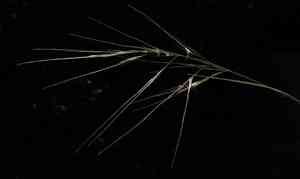
Nodding Needlegrass serves as a superb environmentally conscious choice for your outdoor space.
2
It boosts ecological variety with little maintenance.
3
Nodding Needlegrass provides aesthetic charm and fascination all year long.
Why Opt for Nodding Needlegrass in Your Landscape Design?
Environmentally Sound and Sustainable Choice
Nodding Needlegrass serves as an excellent selection for gardeners focused on ecological impact. As a native species in certain areas, it supports local ecosystems and lessens the need for excessive water and chemical interventions. Its deep root system aids in soil stabilization, preventing erosion and enhancing soil quality. By selecting Nodding Needlegrass, you positively influence the environment by fostering wildlife habitats and promoting sustainability.
Boosts Biodiversity with Minimal Upkeep
A key attractive quality of Nodding Needlegrass is its capacity to enrich garden biodiversity with little effort. This resilient plant demands minimal care once established, making it perfect for both new and seasoned gardeners. It draws in various beneficial insects and birds, contributing to a balanced ecosystem. Furthermore, its resistance to most pests and diseases means you can enjoy a thriving garden with less intervention.
Aesthetic Appeal and Continuous Interest
From an aesthetic perspective, Nodding Needlegrass brings a distinct charm to any garden. Its graceful, swaying seed heads and fine-textured foliage create movement and visual appeal throughout the seasons. During spring and summer, the plant's green tones offer a lush backdrop, while in autumn and winter, its dried seed heads add a touch of rustic beauty. Integrating Nodding Needlegrass into your garden plan can ensure your landscape remains captivating year-round.
Integrating Nodding Needlegrass into Your Garden Scheme
Selecting the Optimal Site
Choosing the right spot for Nodding Needlegrass is vital for its prosperity. This plant flourishes in well-drained soil and full sun to partial shade. When planting, ensure the location is free from waterlogging, as too much moisture can impede its growth. Consider the overall garden layout and place Nodding Needlegrass where it can thrive without excessive competition from other plants for nutrients and space.
Companion Plants for Nodding Needlegrass
Pairing Nodding Needlegrass with complementary plants can amplify the visual impact and ecological advantages of your garden. Consider combining it with indigenous wildflowers such as coneflowers or black-eyed Susans, which can introduce vibrant colors and attract pollinators. Ornamental grasses and other low-maintenance perennials like lavender and yarrow also blend well with Nodding Needlegrass, fostering a harmonious and sustainable garden environment.
Creating Texture and Visual Contrast
Incorporating Nodding Needlegrass into your garden design can significantly enhance texture and visual contrast. The plant's delicate, arching foliage offers a striking contrast to plants with broader leaves. Utilize Nodding Needlegrass in mass plantings or as a border to establish a soft, flowing edge. Its movement in the breeze adds a dynamic element to the garden, making it visually engaging. Experiment with various planting arrangements to discover the best combination for your landscape.
Care Guidelines for Nodding Needlegrass in Landscapes
Watering and Nutrient Requirements
Nodding Needlegrass is relatively low-maintenance regarding watering and feeding. During its initial year, consistent watering aids in establishing robust roots. Once mature, Nodding Needlegrass is drought-tolerant and needs minimal irrigation. Fertilization is generally not required; however, if your soil is particularly poor, a light application of balanced organic fertilizer in early spring can support healthy growth. Be careful not to over-fertilize, as this can lead to excessive foliage and reduced resilience.
Addressing Pests and Diseases
Nodding Needlegrass naturally resists many common garden pests and diseases, lessening the need for chemical interventions. Nevertheless, occasional issues may arise with aphids or fungal diseases in overly moist conditions. Ensure adequate spacing and airflow around the plants to minimize risk. If pests become problematic, use non-toxic treatments like neem oil or insecticidal soap to resolve the issue without harming beneficial insects.
Seasonal Upkeep and Management
Seasonal care for Nodding Needlegrass is straightforward. In late winter or early spring, trim back old growth to allow for new shoots. This annual pruning helps maintain the plant's form and encourages vigorous growth. Leaving dried seed heads through the winter can provide visual interest and food for birds. Regularly check for any signs of stress or damage, addressing issues promptly to keep your Nodding Needlegrass plant healthy throughout the year.
Common Challenges in Cultivating Nodding Needlegrass and Their Solutions
Managing Excessive Growth and Spread
While Nodding Needlegrass is beneficial, it can sometimes spread more than desired. To prevent overgrowth, regularly monitor its expansion and remove any unwanted seedlings. Implementing physical barriers or edging can also help control its boundaries. In larger landscapes, consider allowing some controlled spread to leverage its ground-covering properties while maintaining overall garden balance.
Addressing Soil Compatibility and Drainage Issues
Nodding Needlegrass prefers well-drained soils and may struggle in heavy clay or waterlogged areas. To improve soil structure, incorporate organic matter such as compost or well-rotted manure. Raised beds or mounds can enhance drainage in problematic areas. Conduct a soil test to assess nutrient levels and adjust accordingly, ensuring your Nodding Needlegrass plants have the best possible growing conditions.
Adapting to Regional Climate Fluctuations
Nodding Needlegrass is adaptable, but tailoring its care to your local climate can boost its success. In colder regions, apply mulch around the base in late fall to protect roots from severe freezes. In extremely hot climates, provide some afternoon shade to prevent heat stress. Monitoring and adjusting your care techniques based on weather patterns will help your Nodding Needlegrass thrive in various conditions.



