How to Prune Nodding Needlegrass?
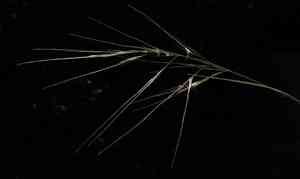
This enduring clump-forming grass flourishes in expansive prairies, characterized by its unique drooping seed clusters. For nodding Needlegrass, trimming is best performed in early spring or during the winter period prior to the emergence of new shoots. Eliminating aged leaves fosters robust regeneration and diminishes the likelihood of illness. Trim near the soil surface to preserve its structure. Advantages encompass improved air circulation, better light exposure, and increased vitality, leading to a showcase of vibrant, verdant blades annually.
What Are the Benefits of Pruning Nodding Needlegrass?
What Are the Benefits of Pruning Nodding Needlegrass?
Trimming nodding Needlegrass promotes vigorous development and helps maintain its desired shape. Regular cutting eliminates dead leaves, fostering a fuller, healthier plant structure.
What Is the Best Time for Pruning Nodding Needlegrass?
What Is the Best Time for Pruning Nodding Needlegrass?
Pruning nodding Needlegrass in early spring is recommended as this period follows its dormant phase but precedes active growth, allowing efficient recovery and resource allocation to new growth. Winter pruning is effective during dormancy, reducing stress and disease risk. These seasons ensure nodding Needlegrass heals before conditions favorable to pests or infections arise.
What Tools Do I Need to Prune Nodding Needlegrass?
Hand Pruners
Perfect for precisely cutting grass blades and small stems, causing minimal harm to the plant's structure.
Grass Shears
Aid in shaping and maintaining the form of nodding Needlegrass, enabling precise cuts without affecting nearby plants.
Loppers
Useful for cutting thicker, tougher parts of the grass that hand pruners might struggle with, offering leverage through long handles.
Pruning Saw
Helpful for removing any dead or damaged thatch that is too dense for lighter tools, ensuring a clean cut without tearing.
Gloves
Protect the gardener's hands from sharp edges when handling nodding Needlegrass, providing a safer pruning experience.
How to Prune Nodding Needlegrass
Clean
Before trimming nodding Needlegrass, sterilize pruning tools to prevent disease spread. Use a solution of one part bleach to nine parts water to clean the blades.
Inspect
Carefully examine nodding Needlegrass for signs of diseased or withered foliage. Identify which leaves need removal to preserve the plant's health.
Cut Diseased Leaves
Using sterilized pruning shears, carefully remove diseased leaves from nodding Needlegrass by cutting at the base of the leaf stem, avoiding damage to healthy foliage and stems.
Cut Withered Leaves
Trim withered leaves from nodding Needlegrass similarly, making clean cuts at the base of the leaf stem to encourage healthy regrowth and improve air circulation.
Disposal
Properly dispose of removed diseased and withered leaves, away from the garden area, to prevent potential disease spread to nodding Needlegrass or other plants.
Common Pruning Mistakes with Nodding Needlegrass
Overpruning
Removing too much foliage at once can shock nodding Needlegrass, impeding its natural growth and weakening its structure.
Improper Cuts
Making jagged or tearing cuts can harm plant tissue, leading to disease or pest infestations in nodding Needlegrass.
Shearing
Uniformly cutting back nodding Needlegrass like hedges, instead of considering its natural form, can hinder proper air circulation and light penetration, crucial for its health.
Neglecting Deadheads
Failing to remove spent seed heads can prevent nodding Needlegrass from producing new, healthy growth and may lead to unwanted self-sowing.
Ignoring Plant Form
Not considering the natural shape of nodding Needlegrass during pruning can result in an unattractive appearance and potentially impede its growth pattern.
Common Pruning Tips for Nodding Needlegrass
Sharp Tools
Utilize clean, sharp pruning shears for precise cuts, which aid in quick healing and minimize stress to nodding Needlegrass.
Selective Pruning
Thin out old and dead foliage to support new growth and maintain the plant's natural form, rather than cutting back indiscriminately.
Cutting Technique
Make cuts at a 45-degree angle, just above a bud or branching point, to encourage healthy new branches in nodding Needlegrass.
Post-Bloom Trimming
After nodding Needlegrass has finished flowering, trim back the spent seed heads to encourage robust growth, while leaving some for self-seeding if desired.
Balanced Approach
Aim to remove no more than one-third of the total plant material in a single pruning session to avoid stressing nodding Needlegrass.



