How to Propagate Nodding Needlegrass?
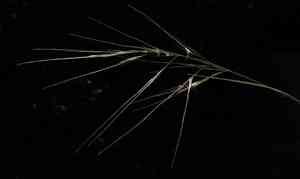
Nodding Needlegrass, a perennial grass indigenous to the region and prized in ecological restoration and water-wise landscaping, thrives in adequately drained substrates and withstands arid environments. Its primary method of reproduction is through separation. Cultivators ought to meticulously divide mature clusters during their inactive period to safeguard the root structure. Freshly separated sections need immediate re-establishment, ensuring the rootball remains undisturbed, and require regular irrigation until they are firmly rooted. Due to its robust characteristics, Nodding Needlegrass rapidly forms a robust root network, which underpins its popularity in initiatives aimed at revitalizing landscapes.
What Is the Best Time To Propagate Nodding Needlegrass?
Propagation Type
Splitting
Propagation Season
Spring,Autumn
What Tools Are Used in Nodding Needlegrass Propagation?
Sharp, clean spade or knife
A keen, sterile spade or blade is vital for separating the root masses of nodding Needlegrass. These implements aid in making precise cuts that reduce harm to the roots, enhancing the likelihood of successful replanting and lessening plant stress. Accurate cuts ensure a cleaner division of the root ball, crucial for this propagation method.
Garden fork
A garden fork is utilized to gently elevate and detach the root ball of nodding Needlegrass from the earth. Its tines are perfect for loosening the soil around the root system without causing undue disruption. This contributes to a healthier division process by allowing roots to be separated with minimal physical damage.
Pruning shears
Pruning shears are employed to trim away any dead or superfluous growth both before and after division. This assists in decreasing the energy expenditure of nodding Needlegrass on maintaining unnecessary parts, directing all energy towards establishing the newly divided plants.
Rooting hormone
While not always required, applying a rooting hormone can aid in the healthier and more rapid root development of nodding Needlegrass post-division. This encourages quicker recovery from transplant shock and boosts root growth in the new environment.
How to Propagate Nodding Needlegrass?
Propagation Type
Simple
How to Care for Your Newly Propagated Nodding Needlegrass?
How to Care for Your Newly Propagated Nodding Needlegrass?
Once propagation is finished, it's essential to maintain a regular watering schedule for nodding Needlegrass, especially during dry spells, as this will support the establishment of the new plants. Avoid excessive watering to prevent root rot. Nodding Needlegrass is suited to low-fertility soils, so minimal fertilization is needed. Manage the surrounding area to prevent aggressive weeds from competing with the young grasses.
Common Mistakes to Avoid When Propagating Nodding Needlegrass
Overwatering
Excessive irrigation can lead to root decay and fungal infections, which can severely hinder the propagation of nodding Needlegrass.
Planting depth
Sowing nodding Needlegrass seeds too deep may impede proper germination as the seeds require adequate light exposure and shallower planting.
Soil compaction
Compressed soil restricts the root development of nodding Needlegrass, impacting its ability to establish and flourish.
Ignoring stratification
Omitting the stratification process can result in poor germination rates as nodding Needlegrass seeds may need a cold period to break dormancy.
Tips For Propagating Nodding Needlegrass
Proper sowing depth
Ensure nodding Needlegrass seeds are sown at a shallow depth to facilitate sufficient light exposure, which is crucial for germination.
Well-draining soil
Utilize a well-draining soil medium to prevent waterlogging and potential root diseases while propagating nodding Needlegrass.
Moderate watering
Provide nodding Needlegrass with consistent but moderate watering to maintain moist soil conditions, vital for germination and establishment without risking overwatering.
Cold stratification
Apply cold stratification to nodding Needlegrass seeds before sowing to mimic natural winter conditions and trigger successful germination.



