How to Transplant Weeping mapou?
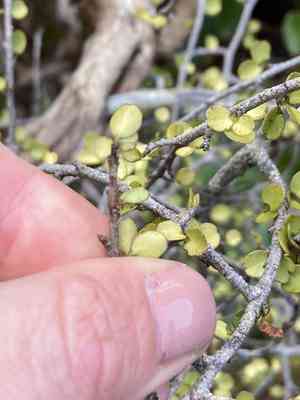
Relocate weeping mapou during the transition from late spring to early summer to ensure the best root establishment. Choose a location offering filtered sunlight and sufficient hydration. Careful handling and uniform soil conditions are crucial for this sensitive perennial to thrive.
What Preparations are Needed Before Transplanting Weeping Mapou?
What is the Ideal Time for Transplanting Weeping Mapou?
The perfect time for moving weeping mapou is during its vigorous growth period, from late spring to early summer. Relocating weeping mapou at this time capitalizes on its natural growth cycle, promoting root development and minimizing stress. The warm soil and gentle temperatures create an optimal setting for weeping mapou to thrive after being moved, boosting its chances of survival and ensuring a smooth transition to its new spot.
How Much Space Should You Leave Between Weeping Mapou Plants?
When you're ready to give weeping mapou a new home, ensure they are spaced approximately 24-36 inches (60-90 cm) apart. This provides ample room for their elegant branches to spread and flourish without competing for essential resources!
What is the Best Soil Mix for Weeping Mapou Transplanting?
Prepare a comfortable bed for your weeping mapou! Aim for soil that drains well, is rich and loamy, with a healthy addition of compost for nutrients. A balanced, slow-release fertilizer will provide a strong foundation for growth.
Where Should You Relocate Your Weeping Mapou?
Select a special location for your weeping mapou that receives partial sunlightâaround 4-6 hours daily. If the area is too sunny, your weeping mapou might become too warm, so a bit of shade will keep it comfortable!
What Equipments Should You Prepare Before Transplantation Weeping Mapou?
Gardening Gloves
To safeguard your hands while handling soil and the plant.
Spade or Shovel
For excavating and moving the weeping mapou.
Pruning Shears
For trimming roots or branches if needed.
Watering Can or Hose
For hydrating weeping mapou before and after its relocation.
Wheelbarrow or Garden Cart
To transport the weeping mapou and soil if necessary.
Garden Fork
To loosen earth around the plant's root ball during extraction.
Mulch
To aid in moisture retention and weed suppression around the new planting site.
Stakes and Ties
For supporting weeping mapou if it requires stabilization post-transplant.
How Do You Remove Weeping Mapou from the Soil?
How Do You Remove Weeping Mapou from the Soil?
From Ground: First, hydrate the weeping mapou plant to moisten the soil a day prior. Next, excavate a wide trench around the plant using a spade or shovel, going deep enough to encompass most of the root ball. Use a garden fork to loosen the soil, then carefully lift the plant, keeping as much of the root ball intact as possible.From a Pot: Start by thoroughly watering the weeping mapou plant. Tilt the container sideways and gently tap or press its sides to release the soil bond. Carefully slide the weeping mapou out, supporting the root ball to prevent damage.From Seedling Tray: Dampen the soil to facilitate removal. Gently separate the weeping mapou from adjacent seedlings by carefully prying them up with a spade, preserving as much root structure as possible.
Step-by-Step Guide for Transplanting Weeping Mapou
Preparation
Gather all necessary implements and ensure ample working space around the planting location.
Root Ball
Prepare the weeping mapou's root ball for relocation by gently trimming any damaged roots with pruning shears.
Planting Hole
Excavate a hole in the ground that is twice the width of the weeping mapou's root ball and of equal depth.
Placement
Position the weeping mapou in the center of the hole, carefully spreading its roots outward.
Soil Adjustment
Backfill the hole with soil, gently firming it down around the root ball to eliminate air pockets.
Staking
If the weeping mapou is top-heavy or otherwise unstable, insert stakes around it and use ties to secure it.
Water Thoroughly
Deeply water the weeping mapou immediately after transplanting to settle the soil and hydrate the roots.
Mulching
Apply a layer of mulch around the base of weeping mapou to conserve moisture and regulate soil temperature.
How Do You Care For Weeping Mapou After Transplanting?
Watering
Water the weeping mapou deeply and consistently to maintain uniform moisture levels, adjusting frequency based on weather conditions.
Weeding
Remove any unwanted plants that emerge around the weeping mapou to reduce competition for nutrients and water.
Monitoring
Observe the weeping mapou for indications of stress, and verify that stakes and ties are not too tight and are adjusted as the plant grows.
Protection
Shield the weeping mapou from harsh weather with burlap or frost cloth if needed, especially after a recent relocation.
Troubleshooting Common Issues with Weeping Mapou Transplantation.
What's the optimal season for transplanting weeping mapou?
The ideal period to move weeping mapou is during the prime time of late spring to early summer when the weather is mild.
How far apart should weeping mapou be spaced when transplanting?
Space weeping mapou ideally 24-36 inches apart (60-90 cm) to provide each plant sufficient room to flourish.
Why is my weeping mapou wilting after transplanting?
Wilting may indicate shock. Ensure weeping mapou is adequately watered and not exposed to intense sunlight or strong winds immediately after transplanting.
When transplanting weeping mapou, how deep should I plant it?
Plant weeping mapou at the same depth it was in its previous container or ground to prevent stem rot or stunted growth.
Can weeping mapou be transplanted in dense shade areas?
While weeping mapou tolerates some shade, excessively dense shade might impede its growth. Select a location with filtered light.
How much should I water weeping mapou after transplanting?
Water generously right after transplanting, then maintain consistent moisture, particularly during the initial weeks as weeping mapou establishes.
What soil type is best when transplanting weeping mapou?
Well-draining soil rich in organic matter is most suitable. Avoid soils that are overly clayey or waterlogged.
What should I do if weeping mapou leaves turn yellow post-transplant?
Yellow leaves can indicate overwatering or a nutrient deficiency. Adjust watering practices and consider a balanced fertilizer.
Do I need to prune weeping mapou when transplanting?
It's not mandatory, but light pruning can help weeping mapou direct its energy towards root establishment rather than foliage.
Is it necessary to stake weeping mapou after transplanting?
Staking is generally not required for weeping mapou unless it is in a particularly windy location or the plant is spindly.



