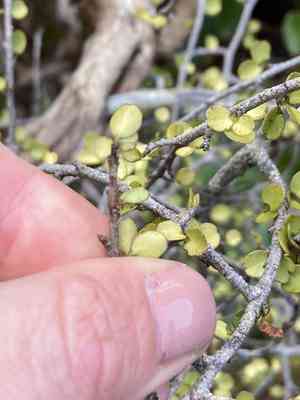
Weeping mapou (Myrsine divaricata)
Myrsine divaricata known as weeping mapou or weeping matipo, is a small tree up to 4 m tall or often a shrub. It has a strongly divaricating habit with interlaced branched. The woody parts are stiff and pubescent when young. The small leathery simple leaves are borne on short petioles and may be slightly two lobed at the end. The very small yellow or reddish flowers may be borne singly or in small groups which mature into small purple, occasionally white, fruit
In This Article
Attributes of Weeping mapou
Lifespan
Perennial
Plant Type
Tree, Shrub
Plant Height
4 m
Spread
1.5 m
Leaf Color
Green
Flower Size
2 mm to 4 mm
Flower Color
White to pink
Images of Weeping mapou
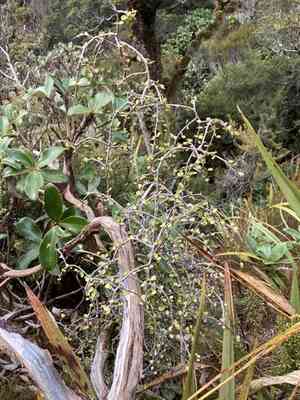
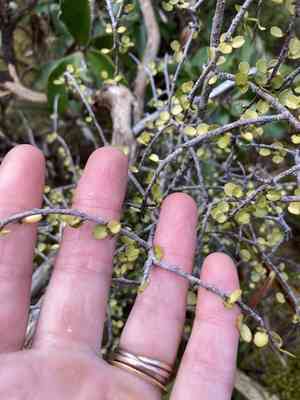
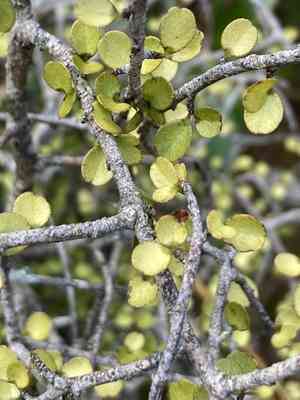
Quickly Identify Weeping mapou
1
Myrsine divaricata can be identified by its divaricate branching, small leathery leaves, and distinctive small white or pink flowers. The fruits turn black when mature.
Scientific Classification of Weeping mapou
Phylum
Vascular plants
Class
Dicotyledons
Order
Ericales
Family
Primrose
Genus
Colicwood
Species
Weeping mapou
Planting and Growing of Weeping mapou
Care Difficulty
Easy
Watering Schedule
Every 3 days
Sunlight Requirements
Partial sun
Sunshine Duration
6-10 hours
Ideal Temperature
65-75℉
Soil Type
Potting Mix, Peat Mix
Soil pH
6.5-7.5
Fertilizer Type
Balanced
Pruning Season
Spring, Summer
Pruning Area
Branches, Leaves
Pruning Frequency
2 times a year
Repotting Season
Spring
Pot Type
Terracotta, Plastic
 How to Water Weeping mapou?
Myrsine divaricata requires approximately 200 ml of water each session. Watering should be thorough, ensuring the soil is evenly moist but not waterlogged. The goal is to hydrate the plant sufficiently without soaking the roots excessively, which helps in promoting healthy growth.
What are the symptoms of an underwatered Weeping mapou?
›
What should I do if my Weeping mapou is not getting enough water?
›
What are the symptoms of an overwatered Weeping mapou?
›
How to save an overwatered Weeping mapou?
›
 What Are the Sunlight Requirements for Weeping mapou?
Partial to full shade is ideal, mimicking natural low-light environments. Proper light levels enhance physiological stabilities such as photosynthesis, encouraging lush foliage and an optimal growth rate.
More About Sunlight Requirements Techniques→
What is the ideal lighting condition for Myrsine divaricata?
›
How can I achieve optimal lighting for Myrsine divaricata?
›
What benefits does Myrsine divaricata experience with ideal lighting?
›
 What Is the Ideal Temperature Range for Weeping mapou?
The ideal temperature range for Myrsine divaricata is between 65°F and 75°F. Within this range, the plant can efficiently carry out photosynthesis and other metabolic processes, leading to optimal growth and health.
 What Soil is Best for Weeping mapou?
Myrsine divaricata thrives in well-drained soil that prevents water from accumulating around the roots. This condition promotes healthy root development and reduces the risk of root rot by ensuring excess water is removed efficiently. This plant benefits from soil that is rich in organic matter. A nutrient-rich composition supports robust growth, resulting in a lush and vibrant foliage, because essential nutrients are readily available for uptake. While drainage is critical, the soil should also retain enough moisture to cater to the plant's hydration needs, especially during dry spells. This balance helps Myrsine divaricata maintain its vigor and prevents drought stress.
 How to Fertilize Weeping mapou?
For Myrsine divaricata, use a balanced liquid fertilizer at half the recommended strength to prevent over-fertilization. This ensures that nutrients are readily available without overwhelming the plant.
 How to Prune Weeping mapou?
Start by examining the plant to understand its natural shape. Focus on cutting back overgrown branches to maintain a balanced structure. Trim these branches just above a set of leaves or a dormant bud to encourage new growth. Ensure cuts are clean and angled slightly to prevent water accumulation. After pruning, it's essential to provide the plant with adequate water and nutrition to facilitate recovery. Observe the plant for a few days for any signs of stress or additional pruning needs. Applying a layer of mulch around the base can retain moisture and protect the roots.
More About Pruning Techniques→
 How to Propagate Weeping mapou plant?
1
Collect seeds from mature Myrsine divaricata berries. Ensure the berries are fully ripe before extraction. Clean and dry seeds properly to prevent mold growth during storage.
2
Select healthy stems for cuttings, ideally from non-flowering branches. Cut sections approximately 4-6 inches long with several nodes, ensuring a clean cut to encourage root development.
3
Sow seeds in a seed tray filled with well-draining soil. For cuttings, immerse the cut end in rooting hormone and place them in a moist substrate. Maintain a humid environment for optimal growth.
 How to Repot Weeping mapou plant?
1
Myrsine divaricata should be repotted when you notice signs of root crowding or poor drainage. These signs include roots emerging from the drainage holes, water pooling at the surface for too long, or visibly slowed growth.
2
Select a pot that is one or two sizes larger than the current one, ensuring it has good drainage holes. The right pot size prevents both overwatering and root rot while allowing ample room for the plant to grow.
3
Choose a well-draining potting mix that retains some moisture yet allows excess water to escape. A quality mix will support the plant's nutritional needs and root aeration, promoting healthy growth.
Learn More About Weeping mapou Diseases
Anthracnose
Bacterial Leaf Spot
Chemical Injury
Crown Gall
Damping-off
Downy Mildew
Drought Stress
Fusarium Wilt
Gray Mold
Leaf Curl
Leaf Spot
Mosaic
Nutrient Deficiency
Nutrient Toxicity
Powdery Mildew
Root Rot
Root-knot Nematode
Rusts
Sooty Mold
Spider Mites
Temperature Stress
Thrips Damage
White Mold



