How to Prune Weeping mapou?
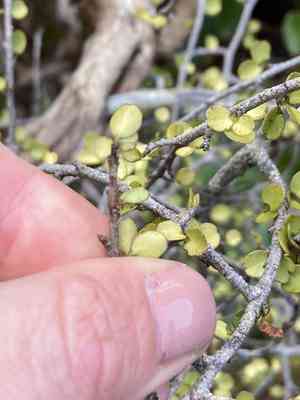
A compact, perennial shrub recognized for its cascading form, weeping mapou flourishes with judicious trimming to preserve its contour and stimulate dense development. The most suitable period for pruning is in late winter or early spring, prior to the emergence of new shoots. Eliminate any deceased or compromised branches, reduce congested sections, and shorten elongated stems to foster a robust framework. Consistent pruning boosts the plant's well-being by enhancing air movement and light penetration.
What Are the Benefits of Pruning Weeping Mapou?
What Are the Benefits of Pruning Weeping Mapou?
Trimming weeping mapou promotes vigorous development and maintains its desired form. This action helps stimulate new, healthy shoots while preventing weeping mapou from becoming leggy or overgrown, thereby preserving its beauty and vitality.
What Is the Best Time for Pruning Weeping Mapou?
What Is the Best Time for Pruning Weeping Mapou?
Late winter and early spring are considered optimal times for pruning weeping mapou. During these periods, weeping mapou is typically dormant, which minimizes plant stress and reduces the chance of disease transmission through fresh cuts. Pruning before spring growth begins allows for shaping without affecting new shoots. Additionally, removing dead or damaged branches at this time helps direct the plant's energy toward healthy growth in spring and summer. Careful timing ensures that any blooms or fruit produced in the growing season are not negatively impacted by the pruning process.
What Tools Do I Need to Prune Weeping Mapou?
Bypass Hand Pruners
Weeping mapou is a small shrub, and for its general upkeep, bypass hand pruners will provide cleaner cuts and cause less harm to the delicate stems than anvil pruners.
Hand Shears
For shaping weeping mapou and trimming any irregular growth, hand shears are perfect. They allow for precise shaping of the dense canopy without harming the plant's overall health.
Pruning Saw
When dealing with older, woodier stems or branches over half an inch thick on weeping mapou, a pruning saw is essential to make clean cuts that will heal properly.
Pole Pruner
If weeping mapou has grown tall and trimming higher branches is necessary, a pole pruner enables gardeners to reach these areas without using a ladder.
How to Prune Weeping Mapou
Clean and sharpen tools
Before starting, ensure pruning tools are clean and sharp to prevent damage and disease spread in weeping mapou.
Inspect plant
Examine weeping mapou closely to identify all dead or diseased branches that need removal.
Remove dead branches
Carefully cut dead branches at their point of origin but avoid cutting into the main trunk or healthy tissue of weeping mapou.
Eliminate diseased branches
Prune diseased branches well below the affected areas to prevent the disease from spreading in weeping mapou. Sterilize tools between cuts if necessary.
Dispose
Dispose of all removed material away from healthy plants to minimize the risk of disease transmission in weeping mapou.
Common Pruning Mistakes with Weeping Mapou
Over-pruning
Removing too much foliage from weeping mapou can stress the plant, potentially leading to reduced vigor and sparse growth.
Improper cutting technique
Incorrect cutting methods can cause damage to weeping mapou, leading to disease and decay. Cuts should be clean and made at the correct angle.
Pruning without disinfecting tools
Using dirty tools can introduce pathogens to weeping mapou, risking infection and disease spread after pruning.
Pruning healthy growth
Mistakenly cutting away healthy, well-placed branches can impede weeping mapou's natural shape and growth habits.
Neglecting diseased material
Failing to remove diseased or damaged wood can allow problems to persist or worsen in weeping mapou, affecting overall health.
Common Pruning Tips for Weeping Mapou
Clean gear
Ensure all pruning tools are clean and sharp before starting work on weeping mapou to prevent disease transmission and ensure clean cuts.
Judicious pruning
Prune weeping mapou with restraint, focusing on removing only what is necessary, such as dead or problematic growth, to encourage a healthy and natural shape.
Angled cuts
Make angled cuts on weeping mapou to prevent water from collecting on the cut surface, which could lead to rot or disease.
Follow natural shape
Prune weeping mapou by following its natural habit, selectively thinning out crowded areas to maintain an aesthetically pleasing and balanced structure.
Corrective pruning
Prioritize corrective pruning for weeping mapou, removing any growth that is damaged, diseased, or crossing/rubbing, to improve plant health and appearance.



