The Weeping mapou Plant Advantage: Maximizing Home and Office Appeal and Wellness
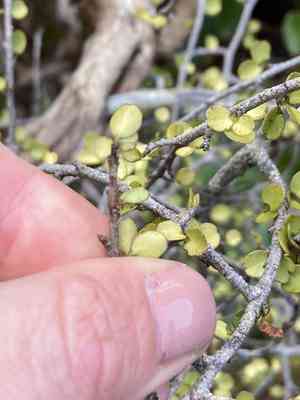
1
Weeping mapou flourishes in diverse soil types, making it a adaptable plant for residential landscapes.
2
The thick leaves of Weeping mapou are ideal for forming effective natural privacy barriers.
3
Weeping mapou is recognized for drawing in helpful insects and avian species, boosting garden ecological variety.
Why Consider Cultivating Weeping Mapou?
Versatility in Various Soil Types
Weeping mapou exhibits remarkable adaptability, flourishing in diverse soil compositions, including sandy, loamy, and even clayey substrates. This makes it an excellent option for gardeners who may not possess ideal soil conditions. The plant's root system is robust and flexible, enabling efficient nutrient absorption from the soil, thus requiring relatively little upkeep once established.
Natural Visual Barrier
A prominent attribute of Weeping mapou is its dense foliage, making it perfect for establishing organic privacy screens. Whether you aim to obscure a nosy neighbor's view or fashion a secluded backyard sanctuary, planting Weeping mapou along your garden's borders can offer an effective and visually pleasing solution. Its cascading branches and thick leaves form an almost impenetrable barrier, providing year-round seclusion.
What Are the Ecological Advantages of Weeping Mapou?
Attracts Beneficial Insects and Avian Species
Incorporating Weeping mapou into your garden can significantly boost local biodiversity. The plant is known to draw in a variety of advantageous insects, including pollinators like bees and butterflies, as well as predatory insects that aid in controlling pest populations. Furthermore, birds are frequently drawn to the plant for its berries, which serve as a food source. This not only benefits the local ecosystem but can also foster a vibrant and dynamic garden environment.
Enhances Air Purity
Weeping mapou positively contributes to air quality by capturing airborne pollutants and releasing oxygen. Its thick foliage acts as a natural air filter, trapping dust, contaminants, and other airborne particles. This can be especially advantageous in urban areas where air quality might be compromised, offering a natural method to cleanse the air in your immediate surroundings.
How Does Weeping Mapou Improve Garden Aesthetics?
Distinctive Cascading Branches
One of the most visually striking characteristics of Weeping mapou is its cascading branches. These drooping branches introduce a unique architectural element to any garden. Whether planted as a solitary specimen or in clusters, the plant's form imparts a sense of motion and elegance, elevating the overall aesthetic appeal of your garden.
Year-Round Visual Appeal
Weeping mapou provides continuous visual interest, making it a valuable addition to any garden. In spring, its new growth brings a fresh, vibrant green to your garden. Throughout summer, the plant is lush and full, while its berries offer a burst of color in autumn. Even in winter, the weeping branches and dense foliage retain their structure, ensuring your garden remains visually appealing across all seasons.
How to Maintain Weeping Mapou in Your Garden?
Irrigation and Fertilization
Weeping mapou is relatively low-maintenance regarding watering and feeding. During its establishment phase, consistent watering is crucial for proper rooting. However, once mature, the plant is drought-tolerant and only requires occasional irrigation during prolonged dry spells. It's also not particularly demanding in terms of nutrients; an annual application of a balanced fertilizer can help sustain its health and vigor.
Trimming and Upkeep
Pruning Weeping mapou is straightforward and primarily involves removing any dead or damaged branches. Light trimming can be performed to maintain its shape and encourage healthy growth, but the plant typically needs minimal intervention. Regular inspection for pests and diseases is also advisable, although Weeping mapou is generally resilient and not prone to significant issues.



