How Much Sunlight Do Weeping mapou Need?
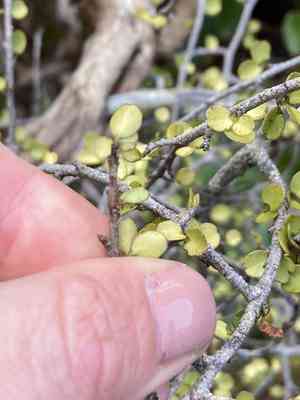
1
Weeping mapou flourishes optimally in direct sunlight, getting over 6 hours of sun each day.
2
This adaptable plant can endure some shade, though it might not achieve its peak development.
3
Observing sun exposure is vital to avoid scorching or inadequate light problems.
Optimal Light Conditions for Weeping mapou
Ideal Light Exposure
For a thriving and vibrant Weeping mapou, aim for a location where the plant receives at least six hours of direct sun daily. Full sun promotes strong development, vivid leaf color, and overall plant health. When planting Weeping mapou in your garden, select a spot with ample sunlight throughout the day, such as a south-facing area.
Advantages of Appropriate Light
Supplying Weeping mapou with its ideal light requirements offers several benefits: it aids in photosynthesis, which fuels plant growth; it helps maintain the plant's health and vitality; and it enhances its natural beauty. Sufficient light ensures lush foliage and can even boost the plant's resistance to common pests and diseases.
Can Weeping mapou Endure Shade?
Partial Shade Tolerance
Weeping mapou can withstand partial shade, meaning it can handle a few hours of direct sun combined with filtered or intermittent light for the remainder of the day. While it can survive in these conditions, it might not thrive as robustly as it would in full sun. If cultivating Weeping mapou in a partially shaded area, observe its growth and reposition it if needed to ensure adequate light.
Full Shade Limitations
Full shade conditions, where the plant gets less than three hours of direct sun or continuous shade, can be harmful to Weeping mapou. In such environments, the plant may show stunted growth, dull foliage, and increased susceptibility to pests and diseases. If full shade is your only option, consider using artificial light to supplement its needs.
Light Requirements for Different Growth Phases
Seedling Stage
During its seedling phase, Weeping mapou needs gentle, filtered light. Excessive direct sun can be harsh on young plants, so place seedlings in an area that receives morning sun and is shaded during the hottest parts of the day. Gradually increase their sun exposure as they become stronger and more established.
Mature Plant Stage
Once Weeping mapou has matured, it can tolerate more intense light conditions. Providing over 6 hours of direct sunlight daily will encourage healthy, vigorous growth. Ensure mature plants have sufficient spacing to prevent overcrowding, which can reduce light availability to lower leaves.
Indicators of Improper Light on Weeping mapou
Symptoms of Sunburn
If Weeping mapou is exposed to too much direct sunlight, especially in extremely hot conditions, it may suffer from sunburn. Symptoms include scorched or bleached leaves, dry edges, and an overall decline in plant health. If you observe these signs, consider providing some afternoon shade or using shade cloth to protect the plant during peak sunlight hours.
Effects of Insufficient Light
Inadequate sunlight can lead to several issues for Weeping mapou. You might notice leggy growth, pale or yellowing leaves, and reduced vigor. The plant will struggle to produce new growth and may become more prone to pests and diseases. Ensuring the plant receives sufficient light is vital for its health and long-term success.
How to Adjust Light Exposure for Weeping mapou
Adjusting with Natural Light
Monitoring the amount of natural light your Weeping mapou receives and making necessary adjustments is crucial. If you notice signs of improper sunlight, consider relocating the plant. For garden plants, you can use temporary shade structures, such as shade cloths or screens, during intense heat.
Using Artificial Light
In situations where adequate natural sunlight is unavailable, supplemental artificial lighting can be a lifesaver. Utilize grow lights to provide the necessary light spectrum. Position the lights approximately 30 centimeters (about 1 foot) above the plant and operate them for around 12-16 hours daily, adjusting as needed to suit the plant's response.



