How to Transplant Anise?
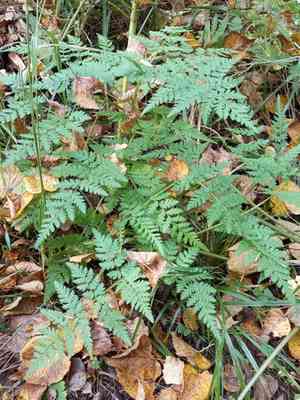
The most favorable periods for relocating anise are during the vigorous early to mid-spring season. Select a partially shaded spot featuring soil that drains effectively. To achieve a successful transplant, guarantee fertile soil and proceed gently to prevent upsetting the root system.
What Preparations are Necessary Before Relocating Anise?
When is the Best Time to Move Anise?
The most favorable period for moving anise is during the pleasant warmth of late spring. At this time, the ground is prepared to nourish young roots, and the danger of frost has passed, allowing anise to fully settle before the summer heat. Transplanting anise within this timeframe takes advantage of the season's consistent temperatures and moisture levels, providing the plant with a strong start in its new spot. With mild weather, anise experiences less stress, leading to vigorous growth and a healthy future.
How Much Space Should Be Allotted Between Anise Plants?
When positioning your anise plants, ensure they have ample room to expand. Position them approximately 2-3 feet (60-90 cm) apart. This grants each plant full exposure to sunlight and nutrients, fostering robust development.
What is the Optimal Soil Blend for Anise Relocation?
For the anise plant, a light, well-draining soil is ideal. Before moving, enrich the soil with a foundation of thoroughly decomposed compost or a comprehensive organic fertilizer. This will establish a nutrient-rich base for your plants to flourish.
Where Should You Replant Your Anise?
Your anise prefers a combination of sun and shade. Select a location that receives at least five hours of direct sunlight daily, but steer clear of the most intense afternoon sun. Morning sun is generally preferable as it is less harsh.
What Tools Should You Prepare Before Moving Anise?
Gardening Gloves
To safeguard your hands from dirt and plant thorns.
Trowel
This implement is utilized for excavating small holes for relocating the anise.
Spade
Essential for digging larger holes if you are moving from a bigger pot into the ground.
Watering Can
Used to hydrate the anise during and after the relocation process.
Gardening Soil
To enhance the existing soil where the anise will be replanted.
Organic Fertilizer
To ensure the anise receives necessary nutrients following the move.
Pruning Shears
To trim any damaged stems or leaves during the relocation.
How Do You Extract Anise from the Ground?
How Do You Extract Anise from the Ground?
From Ground: Ensure the soil surrounding the anise is moist by watering it initially. Next, using the spade, carefully dig around the plant, taking care not to harm the intricate root system. Endeavor to keep as much of the root ball intact as you lift the anise from the ground with the spade.From Pot: Hydrate the anise to moisten the soil. Gently tilt the pot sideways and tap it to loosen the soil and the root ball. Carefully slide the anise out, ensuring no damage to stems or leaves during the process.From Seedling Tray: Water the tray, then gently press the bottom of the individual compartments to release the anise. Always handle the anise by its leaves to prevent stem damage.
Step-by-Step Guide for Relocating Anise
Prepare the New Location
Before extracting the anise from its original spot, prepare the new planting site. The hole should be twice as wide and as deep as the anise's root ball. Add a layer of garden soil and organic fertilizer to the base of the hole.
Removal of anise
Follow the instructions provided in the 'removing the plant from its original location' section above to safely extract the anise from the ground, pot, or seedling tray.
Positioning the Plant
Place the anise in the center of the hole, ensuring the top of the root ball is level with the surrounding soil surface. Cover the roots with soil, and firm the soil around the base of the anise.
Watering
Water the anise generously after planting to help settle the soil around its roots.
How Do You Care For Anise After Relocation?
Watering
Following the move, keep the soil damp but not saturated. Water consistently until the anise becomes established.
Fertilizing
After a period of 4 weeks, apply a layer of organic fertilizer around the base of the anise. Then add fresh soil to cover the fertilizer.
Weed and Pest Control
Monitor for pests and weeds. If an infestation persists, utilize organic pesticides and manually remove weeds from around the anise as they compete for nutrients and water.
Addressing Common Issues with Anise Relocation.
When is the optimal time to move anise?
The best time to move anise is during its second to third growing seasons. Timing is critical for a successful relocation.
Why does my recently moved anise appear wilted?
Anise may wilt after being moved due to shock. Keep it adequately watered and shield it from direct sun for a few days to aid its recovery.
What is the ideal spacing when moving anise?
Anise thrives best when planted approximately 2-3 feet (60-90 cm) apart. This provides each plant with sufficient room to develop a strong root system.
My relocated anise isn't growing well. What should I do?
Ensure that anise is moved into well-drained soil, and provide it with partial to full sun. Also, confirm it's not overcrowded to prevent competition for resources.
How frequently should I water my anise after moving it?
Water anise thoroughly immediately after moving and continue watering regularly, but allow the soil to dry out between waterings to prevent waterlogging.
Why are the leaves of my relocated anise turning yellow?
Yellowing leaves could indicate excessive watering or a lack of nutrients. Adjust your watering schedule and consider applying an organic fertilizer to enrich the soil.
What kind of soil is best for moving anise?
Anise prefers well-drained, fertile soil. You can prepare compost-rich soil for improved outcomes. Good soil assists in quicker root establishment and healthy growth.
I've moved anise, but its leaves look droopy. Why?
Drooping leaves might be a sign of transplant shock. Recovery typically occurs with time. Ensure the plant receives proper care regarding water, light, and nutrients.
Why isn't my relocated anise blooming as expected?
Flowering could be impacted by insufficient sunlight or fertilizer. Ensure your anise gets enough sun and consider adding a balanced fertilizer to encourage blooms.
How do I safeguard my relocated anise from diseases and pests?
Regular inspection, appropriate watering, and good hygiene practices can help deter pests and diseases. If necessary, employ organic pest control methods.



