How to Prune Anise?
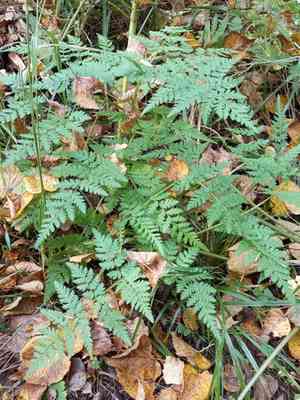
This fragrant perennial, known for its sweet, licorice-like scent, flourishes in herbal plots. Anise should be trimmed in the spring, summer, or autumn to stimulate robust development. After flowering, snip off the flower stems to foster denser growth and inhibit self-propagation. Consistent clipping of the leafy parts guarantees a steady provision for cooking and preserves the plant's form. Refrain from extensive cutting late in the year to avert harm prior to its dormant period.
Advantages of Trimming Anise
Advantages of Trimming Anise
Trimming anise promotes more abundant flowering, stimulates robust development, and preserves its desired form. Consistent cutting ensures a healthier, more attractive specimen.
Optimal Time for Trimming Anise
Optimal Time for Trimming Anise
Trimming anise in spring encourages vigorous new growth and shaping before the main growth cycle truly begins. Early summer pruning helps manage its size and removes any dead or diseased foliage, allowing for recovery during the active growing season. Fall pruning prepares anise for dormancy by eliminating excess growth and helping to prevent disease and pest issues during colder months. Pruning at these times aligns with anise's growth pattern, ensuring the plant remains strong and produces ample foliage, often used for its distinct flavor.
Required Tools for Trimming Anise
Hand Pruners
For routine upkeep of anise, hand pruners are the perfect implement. They enable precise cuts on stems up to half an inch thick. Ensure the pruners have a keen, clean blade to avoid harming plant tissues.
Scissors
Scissors are suitable for snipping small, delicate parts of anise, such as herbaceous growth or deadheading flowers. Kitchen or garden scissors will suffice for this task.
Shears
For shaping and controlling anise's spread, hedge shears might be employed for larger clumps, especially for forming the plant to the desired shape, but use cautiously to avoid removing too much growth.
Pruning Saw
A pruning saw may be necessary if anise has developed woody growth at its base. Saws allow for cutting thicker, woodier stems that hand pruners cannot manage.
How to Trim Anise
Clean tools
Sanitize pruning tools using rubbing alcohol or a bleach solution to minimize the risk of spreading diseases when trimming anise.
Remove diseased leaves
Snip off any diseased leaves from anise by cutting at the base of the leaf stalk with sharp, sterilized scissors, ensuring a clean cut without damaging the main stem.
Remove withered leaves
Identify and prune away withered or old leaves at their base to encourage healthy growth and air circulation, which can lessen the chance of fungal infections in anise.
Trim withered flower
Cut back withered flower stems of anise to the nearest leaf junction, prompting the plant to direct energy towards new growth and potentially more blooms.
Shape plant
Lightly trim any excessively long or straggly stems to maintain the desired shape and size of anise, ensuring the overall plant remains balanced and aesthetically pleasing.
Common Trimming Errors with Anise
Overpruning
Removing too much foliage from anise can weaken the plant, as it relies on its leaves for photosynthesis to generate the energy it needs for growth and flowering.
Underestimating Regrowth
Gardeners sometimes fail to consider how vigorously anise can regrow after being cut back. This may lead to insufficient thinning that can result in a dense, tangled mass of foliage.
Improper Cutting Technique
Making jagged or torn cuts rather than clean, sharp ones can increase the risk of disease and hinder anise's recovery.
Neglecting Tool Hygiene
Using unsterilized pruning tools can spread pathogens to anise, potentially introducing disease to a previously healthy plant.
Disregarding Plant Structure
Not considering the natural shape and growth habit of anise may result in a poorly structured plant that fails to thrive or looks unnatural.
Common Trimming Advice for Anise
Selective Thinning
Remove older, non-productive stems to promote air circulation and light penetration, essential for the health and vigor of anise.
Sharp Tools
Use well-maintained and sharp pruning shears to make clean cuts, which help anise recover more quickly and reduce the risk of disease.
Prune for Shape
Encourage a pleasing plant shape by carefully choosing which stems to cut, keeping the natural habit of anise in mind.
Sterilize Tools
Clean the blades of your pruning equipment with alcohol or bleach solution before moving from one plant to anise, to prevent the spread of disease.
Post-Pruning Care
After pruning anise, provide adequate water and possibly a light fertilizer to support regrowth and reduce stress on the plant.



