How to Propagate Anise?
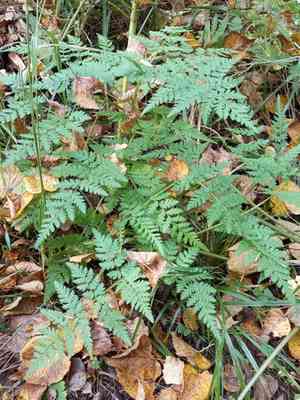
Anise flourishes when reproduced by seeding. To achieve successful cultivation, plant the seeds in a potting blend that drains effectively, making sure they are only superficially covered. The growing medium must remain damp yet not saturated, which encourages ideal sprouting conditions. After the young plants have taken root, they can be spaced out to avoid excessive density, promoting more robust growth. Verify that every plant has sufficient room to absorb nourishment and light.
Optimal Time for Anise Propagation
Propagation Method
Sowing
Propagation Period
Spring
Essential Tools for Anise Propagation
Seed trays
Seed trays are vital for initiating anise from seeds. These containers facilitate organized planting and offer ample room for each seed to be sown at the correct depth and spacing. Individual cells within the trays help prevent root disturbance during transplanting, promoting better root health and plant stability.
Potting mix
A premium potting mix suitable for seed germination is crucial for anise. This blend ensures proper soil aeration and moisture retention, key elements for anise seed germination. Choose a mix specifically formulated for seed starting, typically containing peat moss, vermiculite, and perlite, creating an ideal environment for young roots.
Seedling heat mat
A seedling heat mat provides consistent warmth from below, a critical factor in boosting anise germination rates and speed, especially in cooler settings. The gentle heat it supplies helps mimic ideal spring soil conditions, encouraging quicker seed sprouting.
Watering can with a fine rose
Gentle irrigation is essential during the delicate seed starting phase. A watering can equipped with a fine rose attachment ensures water is delivered softly, preventing disturbance of seeds or soil erosion. This allows anise seeds to remain undisturbed in their planting medium, fostering better germination.
Grow lights
If natural light is insufficient, grow lights can supply the necessary light spectrum for anise seedlings to develop healthily and robustly. These lights ensure seedlings receive balanced illumination similar to natural sunlight, promoting strong growth even indoors.
How to Propagate Anise?
Propagation Type
Easy
Caring for Newly Propagated Anise
Caring for Newly Propagated Anise
Once anise seedlings have germinated and reached a sturdy size, gradually introduce them to outdoor conditions if they began indoors. After acclimation, move them to their permanent growing spot in a partially shaded area with rich, moist soil. Anise thrives in cooler temperatures and requires consistent watering, particularly during dry spells, to maintain lush growth. Minimal fertilization is needed; an annual compost application should suffice. Regular checks for pests and diseases, such as aphids and powdery mildew, are advised to keep the plant healthy.
Common Errors to Avoid When Propagating Anise
Overwatering
Excessive watering of anise during early propagation can lead to root rot and fungal infections. This condition hinders root development and can ultimately kill the plant.
Deep planting
Sowing anise seeds too deeply can impede their germination. The seeds require light to sprout effectively, and burying them too deep can prevent them from emerging.
Neglecting seed stratification
Anise seeds typically need a cold stratification period to break dormancy. Skipping this process might result in poor or no germination.
Tips For Propagating Anise
Moisture control
Maintain balanced soil moisture when propagating anise. The soil should be damp but not waterlogged to encourage healthy root growth without risking fungal infections.
Correct seed depth
Sow anise seeds on the soil surface or cover them lightly with a thin layer of soil. This ensures they receive the necessary light for germination and can easily break through the soil.
Cold stratification
For successful germination, expose anise seeds to a period of cold stratification. Place them in a moist medium within sealed bags in a refrigerator for several weeks before planting.



