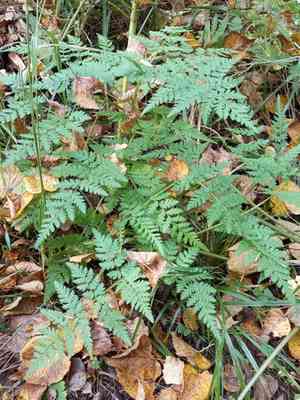
Anise (Myrrhis odorata)
Also known as: Cow chervil, Great chervil, Sweet bracken
Anise is an aromatic plant related to celery, featuring hermaphroditic flowers. Every part of this plant is edible, and it is often cultivated in gardens for its culinary uses. Traditionally, anise has also been utilized for medicinal purposes. It is known to attract pollinators like bees and beetles.
In This Article
Attributes of Anise
Lifespan
Perennial, Annual
Plant Type
Herb
Plant Height
2 m
Spread
1.5 m
Leaf Color
Green
Flower Size
2.5 cm
Flower Color
White
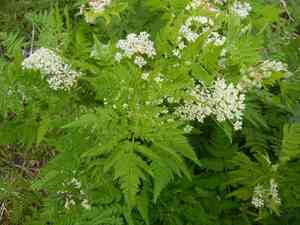
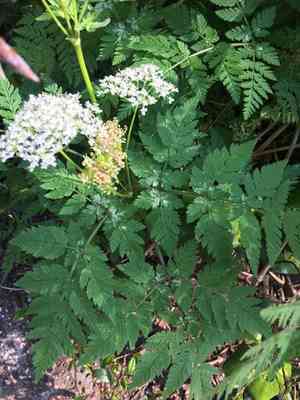
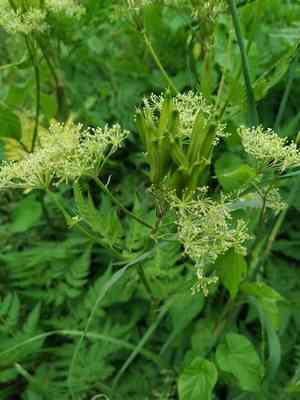
Images of Anise
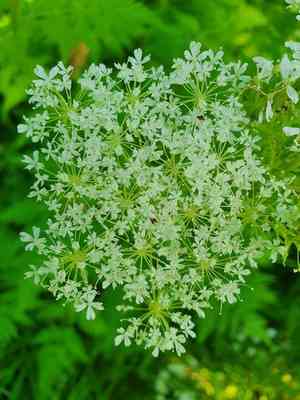
Quickly Identify Anise
1
To identify Myrrhis odorata, look for its fern-like leaves which are finely divided, and its umbrella-shaped clusters of small white flowers. The anise scent from crushed leaves or seeds is a significant identifying feature.
Scientific Classification of Anise
Phylum
Vascular plants
Class
Dicotyledons
Order
Apiales
Family
Umbellifers
Genus
Cicely
Species
Anise
Planting and Growing of Anise
Care Difficulty
Easy
Watering Schedule
Every 3 days
Sunlight Requirements
Partial sun
Sunshine Duration
4-8 hours
Ideal Temperature
60-70℉
Soil Type
Potting Mix, Peat Mix
Soil pH
6.5-7.5
Fertilizer Type
Balanced
Pruning Season
Spring, Summer
Pruning Area
Branches, Leaves
Pruning Frequency
2 times a year
Repotting Season
Spring
Pot Type
Plastic, Ceramic
 How to Water Anise?
The amount of water Myrrhis odorata requires is about 500 ml per watering session. Aim to keep the soil consistently moist but not soggy. Watering should be thorough enough to saturate the soil, reaching the roots without pooling at the surface.
What are the symptoms of an underwatered Anise?
›
What should I do if my Anise is not getting enough water?
›
What are the symptoms of an overwatered Anise?
›
How to save an overwatered Anise?
›
 What Are the Sunlight Requirements for Anise?
Partial sun, ideally 3-6 hours, supports Myrrhis odorata by encouraging robust growth and preventing foliage burn. Under these conditions, the plant maintains its structure and aromatic flair.
More About Sunlight Requirements Techniques→
What is the ideal amount of sunlight for Myrrhis odorata?
›
How can I provide ideal lighting for Myrrhis odorata?
›
What are the benefits of providing ideal lighting conditions to Myrrhis odorata?
›
 What Is the Ideal Temperature Range for Anise?
Myrrhis odorata, also known as sweet cicely, thrives best in a temperature range between 60°F and 70°F. These conditions simulate its native environments, ensuring robust growth and development. Uniform temperatures support the consistent production of its aromatic foliage.
 What Soil is Best for Anise?
Myrrhis odorata thrives in well-drained soil, preventing waterlogging which can lead to root rot. It benefits from loamy texture as it allows for adequate air and moisture retention, promoting healthy growth and vibrant foliage. The plant prefers soils with moderate fertility. Nutrient-rich soils support lush greenery while avoiding excessive nutrient buildup, which can be detrimental. This balance ensures the plant remains healthy and productive without suffering from nutrient burn. Consistent moisture is crucial for Myrrhis odorata, especially during the growing season. Sandy loam soils offer good moisture retention, ensuring the roots remain hydrated for optimal development and sustained aromatic and culinary properties.
 How to Fertilize Anise?
Myrrhis odorata typically requires a balanced approach to fertilization. Use a liquid fertilizer diluted to half its strength, approximately 1 tablespoon of 10-10-10 NPK solution mixed in a gallon of water. For slow-release granules, apply 2 tablespoons around the base of the plant, taking care not to let the granules touch the stem directly.
 How to Prune Anise?
It's crucial not to remove more than one-third of the plant at a time. Excessive cutting can weaken Myrrhis odorata, leaving it vulnerable to disease and reducing its aesthetic and aromatic qualities. After pruning, ensure the Myrrhis odorata is watered adequately and located in a spot with suitable sunlight. This post-pruning care regime will help the plant recover more effectively and stimulate vigorous growth.
More About Pruning Techniques→
 How to Propagate Anise plant?
1
Harvest seeds from mature Myrrhis odorata plants in late summer. Ensure seeds are fully ripened and dry them properly before storing until spring planting.
2
Plant seeds in seed trays with well-draining soil in early spring. Cover seeds lightly with soil, water them gently, and place them in a warm, sunny spot to encourage germination.
3
Divide mature plants in early spring when growth resumes. Use a garden trowel to cut sections of the plant's root system and replant them in well-prepared garden beds.
 How to Repot Anise plant?
1
Myrrhis odorata sends clear signals when it needs repotting. Notice if it's outgrowing its current container, roots entangled at the bottom, or soil compacted and water sits on top. These are indicators that it's time to move to a bigger abode.
2
Select a pot that's only one size larger than the current one. It ensures the plant isn't overwhelmed with excess space, promoting healthy root development. Ensure it has drainage holes to prevent waterlogging and avoid root rot.
3
Opt for a soil rich in organic matter that drains well to support nutrient uptake while preventing water accumulation. The right soil mimics the plant's natural habitat, allowing roots to thrive without drowning.
Learn More About Anise Diseases
Anthracnose
Bacterial Leaf Spot
Bacterial Soft Rot
Chemical Injury
Damping-off
Downy Mildew
Drought Stress
Fusarium Wilt
Gray Mold
Leaf Spot
Mosaic
Nutrient Deficiency
Nutrient Toxicity
Powdery Mildew
Root Rot
Root-knot Nematode
Rusts
Sooty Mold
Spider Mites
Temperature Stress
Thrips Damage
White Mold



