How to Overwinter Anise
1
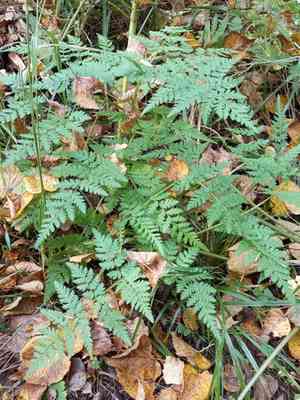
Anise is a perennial herbaceous plant that tolerates cold, making it suitable for winter survival methods.
2
Trim Anise to approximately 10 cm (4 inches) in height prior to the initial frost for peak vitality.
3
Apply a 5-8 cm (2-3 inches) layer of organic mulch around Anise to aid in insulating its root system over winter.
What Does It Mean to Overwinter Anise?
What Does It Mean to Overwinter Anise?
Overwintering Anise involves preparing and maintaining the plant through the cold winter months so it can survive and thrive again in spring. Since Anise is frost-hardy, it tolerates low temperatures, but still needs some care to shield it from extreme conditions and ensure healthy regrowth. Proper overwintering includes pruning, soil preparation, mulching, and protection from harsh elements.
Preparing Anise for Winter
Pruning Anise Before Winter
Pruning is a vital step in getting Anise ready for winter. Cut the stems back to approximately 10 cm (4 inches) in height. This helps lessen the plant's exposure to winter elements and encourages vigorous new growth in the spring. Use sharp, clean pruning shears to prevent plant damage and reduce disease risk.
Soil Preparation for Winter
Before winter arrives, it's important to prepare the soil around your Anise plant. Ensure the soil drains well to prevent waterlogging, which can lead to root rot. Adding compost or well-rotted manure will enrich the soil, providing nutrients that will support the plant through the winter and into the new growing season.
Mulching Techniques for Anise
Mulching is one of the best ways to safeguard your Anise plant during winter. Apply a layer of organic mulch, such as straw, leaves, or wood chips, about 5-8 cm (2-3 inches) thick around the plant's base. Mulching helps insulate the roots, maintain soil moisture, and prevent frost heave during freeze-thaw cycles. Be sure to keep the mulch a few centimeters (inches) away from the stem to prevent rot.
How to Protect Anise from Frost?
Using Frost Cloths and Covers
Frost cloths or covers are effective tools to shield Anise from sudden temperature drops and frost. Drape them over the plant during extremely cold nights, ensuring they cover all the foliage. Remove the covers during the day to allow sunlight and air circulation. These protective coverings create a microenvironment that keeps the temperature around the plant slightly warmer.
Creating Windbreaks
Strong, cold winds can harm Anise. Creating windbreaks with fences or planting hedges around the Anise bed can help reduce wind exposure. These structures provide a barrier that diminishes the force of the wind, protecting the plant from being battered and dried out by harsh winter gusts.
Placing Anise in a Sheltered Area
If possible, move potted Anise plants to a sheltered area, such as a greenhouse, porch, or indoors if space allows. Sheltering helps reduce exposure to the coldest temperatures, winds, and frost. Ensure that the sheltered area still receives adequate light, as Anise plants need light even in the winter months.
Watering and Feeding Anise During Winter
Adjusting Watering Schedule
In winter, Anise requires less water due to slower growth and cooler temperatures. Water the plant only when the soil feels dry to the touch, ensuring it doesnât become waterlogged. The frequency may vary depending on whether the plant is outdoors, in a greenhouse, or indoors. Generally, watering once every two to three weeks should suffice.
Winter Fertilization Tips
Minimize fertilization during winter as Anise's growth slows down significantly. Over-fertilization can harm the plant during its dormant period. Instead, focus on enriching the soil during the fall as part of soil preparation. If any fertilization is needed, use a diluted, balanced fertilizer and apply sparingly.
Monitoring Anise for Pests and Diseases in Winter
Common Winter Pests
Even during winter, Anise can be susceptible to pests such as aphids and spider mites. Regularly check the plant for any signs of infestation. If pests are detected, remove them manually or use a mild soap solution to treat the plant. Keeping the plant healthy and stress-free enhances its resistance to pests.
Winter Disease Prevention
Winter diseases like root rot or fungal infections can be prevented with proper care. Ensure that the soil is well-drained to avoid moisture buildup around the roots. Regularly remove any dead or decaying plant material, and maintain good air circulation around the plant to prevent fungal growth.
Transitioning Anise from Winter to Spring
Gradual Exposure to Outdoor Conditions
As the weather warms up, gradually reintroduce Anise to outdoor conditions. Increase the plant's exposure to sunlight and outdoor temperatures over a period of one to two weeks. This gradual acclimatization helps prevent shock and promotes robust growth as the plant transitions out of dormancy.
Pruning and Preparing for New Growth
Prune any dead or damaged parts of the plant in early spring to encourage new growth. Inspect the plant for any signs of disease or winter damage and address these issues promptly. With proper care, Anise will come back stronger and more vibrant, ready to thrive in the new growing season.



