How to Transplant Coyote Mint?
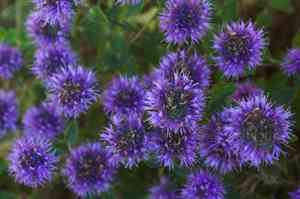
For coyote Mint, the ideal period for root development is as the ground warms after winter, generally from early spring through its peak. Select a well-drained, sun-exposed location, and when placing coyote Mint, allow ample room for expansion. The recommendation is to carefully manage the roots to facilitate a smooth integration.
Essential Preparations Before Relocating Coyote Mint
Optimal Period for Moving Coyote Mint?
The best time to relocate coyote Mint spans from the start of spring's growth to its gentle conclusion. This timeframe supports root development prior to summer's heat. Coyote Mint flourishes as cooler temperatures and consistent rainfall encourage robust root growth, leading to strong plants that will thrive throughout the season. Transplanting coyote Mint during this period also allows it to settle without the stress of variable conditions. This step is crucial for a vibrant display of coyote Mint.
Recommended Spacing Between Coyote Mint Plants?
To ensure your coyote Mint has ample room to thrive, aim for a transplant spacing of 12-18 inches (30-46 cm). This provides sufficient space for growth and guarantees they receive adequate resources to flourish.
Ideal Soil Blend for Transplanting Coyote Mint?
Coyote Mint prefers well-draining soil abundant in organic material. Before transplanting, enrich the soil with compost or a balanced, slow-release fertilizer to provide a nutrient-rich foundation for your coyote Mint's growth.
Choosing a New Location for Your Coyote Mint?
Select a sunny location for your coyote Mint, as they love sunlight! A spot receiving at least 6 hours of direct sun daily is perfect. This ensures your coyote Mint gets the necessary energy for optimal growth and blooming.
Equipment Needed for Transplanting Coyote Mint
Gardening Gloves
To safeguard your hands while handling soil and plants.
Hand Trowel
For digging small holes and managing minor soil amounts.
Shovel or Spade
To excavate the plant from the ground or larger containers/seedling trays.
Garden Fork
To loosen the soil surrounding the root ball.
Watering Can or Hose
To hydrate the plant before and after relocation.
Bucket
To transport the plant and soil.
Pruning Shears
To trim any damaged roots or stems.
Method for Extracting Coyote Mint from Soil
Method for Extracting Coyote Mint from Soil?
From Ground: Thoroughly water the coyote Mint to soften the earth. Use a garden fork to gently loosen the soil around the root system. Once loose, carefully slide a shovel or spade beneath the root ball and lift it, aiming to keep as much soil attached to the roots as possible. From Pot: Start by watering the coyote Mint in its pot to facilitate root ball removal. Invert the pot and tap its edges to gently dislodge the plant. Support the coyote Mint by its base and guide the root ball out. If it's stuck, run a knife along the pot's inner rim. From Seedling Tray: Water the coyote Mint and let it drain to simplify removal. Use a hand trowel or your fingers to carefully lift the plant, ensuring a good amount of soil remains with the roots to minimize stress.
Step-by-Step Guide for Transplanting Coyote Mint
Site Selection
Choose an appropriate location in the garden that complements the landscape and offers ample room for coyote Mint to expand.
Soil Preparation
Prepare the soil by loosening it with a garden fork to a depth of about 12 to 15 inches. Remove any rocks or debris.
Hole Excavation
Dig a hole using a shovel or spade that is twice the width and equal to the depth of the coyote Mint's root ball.
Plant Placement
Position the coyote Mint in the center of the hole. The top of the root ball should be level with the soil surface.
Backfilling the Hole
Gently refill the hole with the excavated soil. Lightly tamp down the soil to eliminate air pockets without compacting it excessively.
Initial Watering
Thoroughly water the transplanted coyote Mint to settle the soil and provide moisture to its roots.
Providing Support
If the coyote Mint is tall or top-heavy, loosely stake it with garden stakes for support until it becomes established.
Post-Transplant Care for Coyote Mint
Mulching
Apply a layer of mulch around the coyote Mint to help retain soil moisture, suppress weeds, and regulate soil temperature.
Watering
Provide consistent moisture to the coyote Mint, checking the soil regularly, especially during its first growing season.
Pruning
Trim only damaged or dead branches to encourage new growth without stressing the coyote Mint.
Monitoring
Observe the coyote Mint for signs of transplant shock, such as wilting or leaf drop, and respond with appropriate care.
Addressing Common Issues During Coyote Mint Transplantation
When is the best time to transplant coyote Mint?
The ideal period for transplanting coyote Mint is during spring's growth, typically from early March to late May.
What spacing should I use for coyote Mint when transplanting?
Allow coyote Mint ample space to thrive by planting them approximately 12-18 inches (30-45 cm) apart.
Why are the leaves of my transplanted coyote Mint turning yellow?
Yellowing may indicate overwatering or poor drainage. Aim for moist, well-draining soil and avoid waterlogging.
How deep should the hole be for transplanting coyote Mint?
Dig a hole so that the coyote Mint's root ball sits flush with the soil surface, not deeper.
Can coyote Mint be transplanted in full sun?
Coyote Mint flourishes in both full sun and partial shade; just ensure the soil remains moist.
What soil type is best for transplanting coyote Mint?
Coyote Mint prefers well-draining soil rich in organic matter. Amend poor soil with compost before planting.
How often should I water coyote Mint after transplanting?
Initially, water every few days to aid root establishment, then reduce to when the top inch of soil is dry.
How do I protect transplanted coyote Mint from pests?
Watch for pests, and use organic pesticides if needed. Healthy, well-adjusted plants are more pest-resistant.
What if my transplanted coyote Mint is wilting?
Wilting may signal shock. Minimize stress with consistent watering and avoid fertilizing for several weeks post-transplant.
Can coyote Mint be transplanted during a heatwave?
It's best to wait for milder temperatures. Extreme heat can stress coyote Mint and impede its establishment.



