Enhancing Your Garden Design with the Coyote Mint Plant: A Landscaping Guide
1
Coyote Mint introduces vivid hues, distinct textures, and harmonious structure to your garden layout.
2
Coyote Mint aids native fauna by drawing in beneficial insects and provides inherent pest-deterring attributes.
3
Coyote Mint tolerates dry conditions, rendering it perfect for eco-friendly garden planning.
Grasping the Visual Influence of Coyote Mint
Color Enhancement: How Coyote Mint's Vivid Flowers Boost Appeal
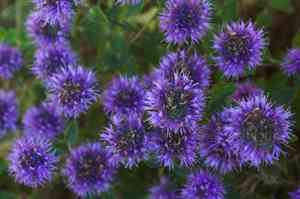
A prominent characteristic of Coyote Mint is its lively blooms, which can greatly improve any garden's visual appeal. The bright hues of Coyote Mint's flowers impart a dynamic and inviting feel to your outdoor design. Whether you prefer a single-color scheme or a diverse palette, Coyote Mint can be incorporated to offer striking accents that capture attention. Its blossoms are especially captivating during the blooming period, creating a delightful sight for all garden visitors.
Texture Variation: Incorporating Coyote Mint for a Dynamic Outdoor Space
Beyond its stunning colors, Coyote Mint offers distinct textures that can create a more vibrant and engaging landscape. The leaves and flowers of Coyote Mint present a coarse texture that contrasts beautifully with smoother foliage, adding depth and dimension to your garden layout. By integrating these textural elements, you can establish visually diverse areas that encourage exploration and highlight various aspects of your plantings. The key is to balance Coyote Mint with plants of differing textures to achieve a harmonious yet varied garden experience.
Size and Form: Balancing Your Area with Coyote Mint
Coyote Mint is available in various sizes and shapes, making it a versatile addition for diverse landscaping requirements. Whether you're working with a compact urban garden or an expansive rural plot, Coyote Mint can be utilized to achieve equilibrium and coherence in your design. Its dense form is ideal for borders and edges, while its taller varieties can serve as an excellent backdrop or focal point in garden beds. Understanding how to position Coyote Mint within the spatial context of your garden can help create a well-proportioned and visually pleasing environment.
Eco-friendly Advantages of Adding Coyote Mint to Your Garden
Attracting Pollinators: Coyote Mint's Role in Supporting Local Wildlife
Adding Coyote Mint to your garden provides significant ecological benefits, particularly in drawing pollinators. Bees, butterflies, and other beneficial insects are attracted to Coyote Mint's nectar-rich flowers, assisting in the pollination of other plants and contributing to biodiversity. By integrating Coyote Mint into your landscape, you establish a supportive habitat for these vital creatures, which in turn helps maintain the health and productivity of your entire garden ecosystem.
Drought Resistance: Why Coyote Mint is Perfect for Sustainable Landscaping
In today's climate, plants that demand less water are both financially and environmentally advantageous. Coyote Mint is drought-resistant, making it perfect for sustainable landscaping, especially in arid or drought-prone regions. This resilience reduces the need for frequent irrigation, conserving water resources while still providing lush and vibrant plant life. By selecting drought-resistant species like Coyote Mint, you're contributing to a more sustainable and resilient landscape that can withstand varying weather conditions.
Natural Repellent Qualities: How Coyote Mint Safeguards Other Plants
One of the less recognized benefits of Coyote Mint is its inherent repellent properties. Its aromatic foliage can deter pests that might otherwise harm other plants in your garden. This means that Coyote Mint not only thrives itself but also acts as a protective companion, lessening the need for chemical pesticides and fostering a healthier, more natural garden environment. Strategic placement of Coyote Mint can help protect sensitive species and maintain the overall health of your landscape.
Practical Advice for Incorporating Coyote Mint into Your Landscape
Design Approaches: Effective Ways to Position Coyote Mint for Maximum Effect
Integrating Coyote Mint into your landscape design requires careful placement to maximize its impact. Consider using Coyote Mint in clusters or drifts to create bold sweeps of color and texture. Position it along pathways and borders where its vibrant blooms can be easily admired. Additionally, planting Coyote Mint in areas that receive full sun to partial shade ensures it flourishes and enhances the visual appeal of your garden. By planning strategic locations, you can make the most of Coyote Mint's aesthetic and ecological benefits.
Companion Planting: Ideal Neighbors for Coyote Mint in Your Garden
Companion planting with Coyote Mint can boost the health and beauty of your landscape. Pair Coyote Mint with plants that have compatible water and sunlight requirements, such as lavender, salvia, or sage. These plants not only blend well visually but also share similar growing conditions, ensuring a thriving garden environment. Companion planting practices also contribute to natural pest control and improved soil health, creating a balanced and productive garden ecosystem.
Seasonal Considerations: When to Plant Coyote Mint for Optimal Growth
The timing of planting Coyote Mint is crucial for its successful development. The best time to plant Coyote Mint is in the spring or fall when temperatures are moderate, and the risk of extreme weather conditions is lower. Planting during these seasons allows Coyote Mint to establish its root system before the intense heat of summer or the cold of winter. By aligning planting schedules with seasonal cycles, you ensure that Coyote Mint has the best chance to thrive and bring continuous beauty to your landscape.



