How Much Sunlight Do Coyote Mint Need?
1
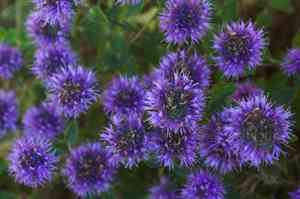
Coyote Mint flourishes optimally with ample sunlight, needing a minimum of 6 hours of direct sun each day.
2
Placing Coyote Mint in an appropriate spot can enhance its vivid flowers and fragrant leaves.
3
Modifying sun exposure based on the season helps keep your Coyote Mint vigorous and thriving.
Optimal Light Conditions for Coyote Mint
Full Sun Requirement
A crucial factor for successful Coyote Mint cultivation is ensuring it gets full sun. This plant, native to the western U.S., flourishes in locations receiving at least 6 hours of direct sunlight daily. Full sun promotes vibrant blooms and robust foliage, vital for its growth and well-being. Insufficient light can result in poor flowering and a less fragrant plant. Therefore, when planting Coyote Mint, select an unshaded area by structures or larger vegetation.
Partial Shade Tolerance
Although Coyote Mint prefers full sun, it can endure partial shade, especially in hotter regions. Partial shade means the plant receives 3 to 6 hours of direct sunlight, often during cooler parts of the day â morning or late afternoon. Under these conditions, Coyote Mint will still grow but might not thrive as vigorously as in full sun. This approach is effective in areas with extremely hot summers, where intense afternoon sun could be damaging.
Seasonal Light Changes
Seasonal variations in light can also impact Coyote Mint's development. During summer, the plant benefits from long days of sunlight, helping it reach its full potential. Conversely, as days shorten in autumn and winter, be aware that the plant will receive less light. Positioning Coyote Mint to capture the maximum available light during these shorter periods is important. Adjusting its placement or supplementing natural light with artificial sources, if feasible, can help maintain its health.
Prime Planting Spots for Coyote Mint for Best Sunlight
Garden Beds
Garden beds are perfect for planting Coyote Mint as they offer an open area with ample sunlight. When selecting a garden spot, ensure it's not overshadowed by taller plants or structures. Planting in beds allows for good air circulation, which also benefits the plant's health. Furthermore, garden beds provide flexibility to create an attractive display of Coyote Mint mixed with other sun-loving perennials.
Container Growing
Cultivating Coyote Mint in containers provides flexibility, especially if garden space is limited or if you wish to move the plant throughout the year. Containers can be relocated to various spots to capture the best sunlight â onto patios, sunny windowsills, or balconies. When choosing a container, ensure it has proper drainage to prevent waterlogging and position it where it receives necessary sunlight.
Wildflower Meadows
Coyote Mint can also be a striking addition to wildflower meadows. These open environments typically receive abundant sunlight, creating ideal conditions for Coyote Mint to flourish. A meadow setting mimics the plantâs natural habitat, offering a perfect balance of sunlight and soil conditions. It also supports biodiversity, attracting pollinators like bees and butterflies, which are crucial to Coyote Mintâs ecosystem.
Signs of Too Much or Too Little Sunlight for Coyote Mint
Symptoms of Excessive Sun Exposure
While Coyote Mint loves sunlight, too much can be harmful. Signs of overexposure include scorched leaves, dry and brittle foliage, or wilting despite regular watering. If these symptoms appear, consider providing some afternoon shade or moving container plants to a less intense sunny area. Applying mulch around the base can also help retain soil moisture and keep roots cool.
Indicators of Insufficient Sunlight
Conversely, inadequate sunlight can lead to weak, elongated growth and sparse flowering in Coyote Mint. The foliage might appear pale, and the plant may struggle to maintain its vibrant health. Ensuring your Coyote Mint receives sufficient daily sunlight is vital to prevent these issues. If necessary, prune nearby plants or relocate the mint to a more suitable spot to improve its sun exposure.



