The Coyote Mint Plant Advantage: Maximizing Home and Office Appeal and Wellness
1
Coyote Mint is a plant that tolerates dry conditions and flourishes in parched regions.
2
The fragrant foliage of Coyote Mint can be utilized to brew delicious infusions.
3
Coyote Mint flowers draw in numerous pollinators, such as bees and butterflies.
Why Incorporate Coyote Mint into Your Garden?
Versatility in Soil Types
A key attribute of Coyote Mint is its capacity to thrive in diverse soil conditions. Regardless of whether your soil is sandy, loamy, or clay-based, Coyote Mint can flourish with minimal adjustments. This hardiness makes it an attractive choice for gardeners seeking a adaptable plant for their collection.
Resistance to Dry Conditions
Coyote Mint is particularly well-suited for regions prone to aridity. Its extensive root system enables it to access moisture from deeper soil layers, making it an excellent option for xeriscapingâa landscaping approach focused on water efficiency. By adding Coyote Mint to your garden, you can maintain a vibrant landscape even during dry periods, thus promoting eco-friendly gardening practices.
What Are the Visual Advantages of Coyote Mint?
Appealing Floral Displays
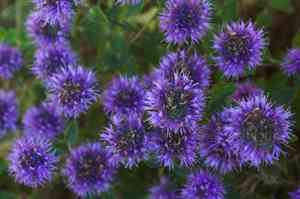
Coyote Mint produces a profusion of vivid, lavender-hued blossoms that not only enhance your garden's visual appeal but also foster a tranquil, inviting atmosphere. These flowers typically emerge from late spring to early summer, providing an extended period of beauty in your outdoor spaces.
Pollinator Attractor
Beyond their aesthetic appeal, Coyote Mint's flowers act as a draw for pollinators. Bees, butterflies, and even hummingbirds are naturally drawn to its nectar-rich blooms. By cultivating Coyote Mint, you will be supporting local ecosystems and fostering biodiversity within your garden.
How Can Coyote Mint Be Utilized in Cooking?
Flavorful Infusions
The fragrant leaves of Coyote Mint can be harvested and dried to create delightful herbal infusions. These teas possess a minty, refreshing taste and can be enjoyed hot or chilled. Preparing tea from your homegrown Coyote Mint adds a personal touch to your kitchen, allowing you to enjoy the plant's benefits throughout the year.
Culinary Herb
In addition to teas, Coyote Mint's leaves can be employed as a culinary herb to impart a minty flavor to various dishes. Whether you sprinkle it over a salad or integrate it into a marinade, Coyote Mint offers a distinctive, aromatic element to your culinary creations.
Which Companion Plants Pair Well with Coyote Mint?
Optimal Companion Plants
Coyote Mint complements other drought-tolerant plants effectively, such as lavender, rosemary, and sage. These plants share similar water and soil requirements, making them easy to manage together. Grouping these plants can create a harmonious garden design that is both attractive and low-maintenance.
Boosting Garden Biodiversity
By pairing Coyote Mint with other native and drought-resistant species, you can enhance the biodiversity in your garden. A varied plant community not only offers visual interest but also establishes a healthier ecosystem that supports various forms of wildlife and microorganisms.
Are There Any Environmental Benefits to Growing Coyote Mint?
Soil Erosion Prevention
Thanks to its deep root system, Coyote Mint can play a significant role in preventing soil erosion. The plantâs roots help bind the soil, reducing the risk of erosion caused by wind or water. This makes Coyote Mint a valuable plant for stabilizing hillsides and slopes.
Water Conservation
Cultivating Coyote Mint contributes to water conservation, a crucial aspect of sustainable gardening. Due to its drought tolerance, Coyote Mint requires less irrigation compared to many other garden plants. By planting Coyote Mint, you can decrease your garden's water consumption, thereby contributing to environmental preservation.



