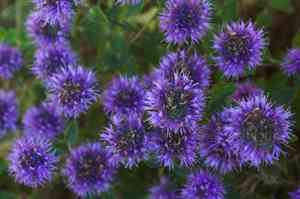
Coyote Mint (Monardella villosa)
Also known as: Coyote Mint, Coyote Mountain Mint
Coyote Mint (Monardella villosa) is a native wildflower belonging to the mint family. It typically grows as a matted ground cover in western parts of the United States. The plant features small, aromatic lavender and pink blossoms that are particularly attractive to butterflies, serving as a valuable nectar source.
In This Article
Attributes of Coyote Mint
Lifespan
Perennial
Plant Type
Herb, Shrub
Plant Height
30 cm
Spread
50 cm to 1 m
Leaf Color
Gray-green
Flower Size
1 cm to 4 cm
Flower Color
Purple
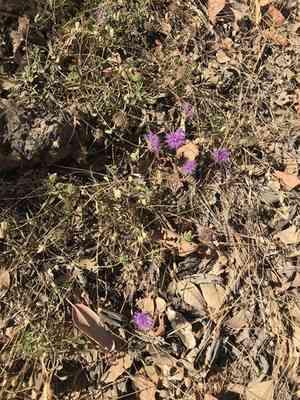
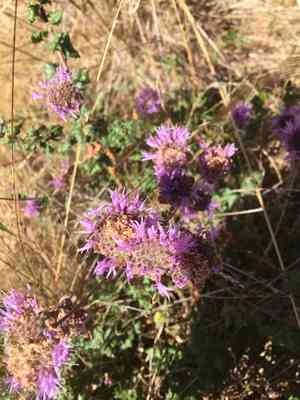
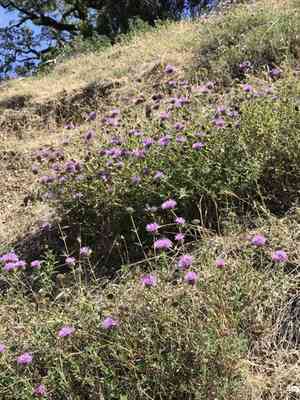
Images of Coyote Mint
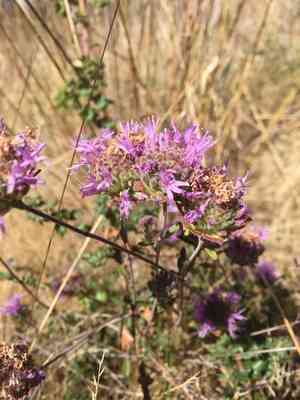
Quickly Identify Coyote Mint
1
Identifying Monardella villosa involves looking for its distinctive aromatic, mint-scented leaves, which are covered in fine hairs. The plant produces tubular flowers typically in shades of purple to lavender, arranged in dense clusters.
Scientific Classification of Coyote Mint
Phylum
Vascular plants
Class
Dicotyledons
Order
Lamiales
Family
Mint
Genus
Coyote mintrg
Species
Coyote Mint
Planting and Growing of Coyote Mint
Care Difficulty
Easy
Watering Schedule
Every 2 days
Sunlight Requirements
Full sun
Sunshine Duration
4-6 hours
Ideal Temperature
65-75℉
Soil Type
Potting Mix, Peat Mix
Soil pH
6.5-7.5
Fertilizer Type
Balanced
Pruning Season
Spring, Summer
Pruning Area
Branches, Leaves
Pruning Frequency
2 times a year
Repotting Season
Spring
Pot Type
Plastic, Terracotta
 How to Water Coyote Mint?
Monardella villosa prefers a moderate watering approach, where the soil is allowed to dry out slightly between watering sessions. Watering should thoroughly saturate the soil but not cause any standing water. Approximately 250 milliliters of water is often adequate.
What are the symptoms of an underwatered Coyote Mint?
›
What should I do if my Coyote Mint is not getting enough water?
›
What are the symptoms of an overwatered Coyote Mint?
›
How to save an overwatered Coyote Mint?
›
 What Are the Sunlight Requirements for Coyote Mint?
This plant flourishes best with full to partial sun exposure, translating to 6-8 hours of sunlight daily. Ideal sunlight supports vigorous growth, abundant flowering, and healthy foliage.
More About Sunlight Requirements Techniques→
What is the best location for my plant?
›
How can I ensure my plant receives ideal sunlight?
›
What benefits does this plant receive from ideal sunlight?
›
 What Is the Ideal Temperature Range for Coyote Mint?
For Monardella villosa, the ideal temperature range for growth is between 65°F to 75°F. This range ensures that the plant can photosynthesize efficiently and maintain its metabolic activities. It allows for typical growth rates and supports healthy flowering patterns.
 What Soil is Best for Coyote Mint?
Monardella villosa prefers well-drained soil to prevent root rot. This is crucial as good drainage ensures the roots have access to oxygen, promoting healthy growth and vitality. The plant thrives in moderately fertile soils, which provide balanced nutrients for sustained growth without overwhelming the plant, maintaining its robust characteristics. Monardella villosa is suited to soils with a pH ranging from 6.5 to 7.5, which allows optimal nutrient absorption, ensuring the plant remains healthy and blooms beautifully.
 How to Fertilize Coyote Mint?
Monardella villosa requires a moderate amount of fertilizer. When using liquid fertilizer, mix it at half the recommended strength to avoid nutrient overload. For slow-release granules, apply 1 tablespoon per square foot around the plant base.
 How to Prune Coyote Mint?
Begin by using sharp pruning shears to trim back any leggy or overgrown stems. Aim to cut just above a leaf node to encourage new growth. This shaping not only helps maintain the plant’s tidy appearance but also encourages denser foliage, leading to a more attractive display of fragrant flowers. After the blooming period, remove spent blooms by cutting the flowering stem back to the nearest set of leaves. This process, known as deadheading, redirects the plant's energy towards producing new blooms and prevents seed formation, extending the flowering season.
More About Pruning Techniques→
 How to Propagate Coyote Mint plant?
1
Collect seeds from mature Monardella villosa plants in late spring. Ensure the seeds are fully dry before storing them in a cool, dry place until sowing.
2
Take 4-6 inch cuttings from healthy, non-flowering stems in the early morning to maintain moisture. Remove lower leaves and pinch the tip to encourage growth.
3
In spring, divide mature clumps by gently digging up the root ball and separating it into smaller sections. Each section should have roots and shoots for successful regrowth.
 How to Repot Coyote Mint plant?
1
Monardella villosa should be repotted when the roots become root-bound or the plant outgrows its current pot. Signs include roots growing through drainage holes or visible roots on the soil surface. The best time to repot is during early spring before the plant begins its active growth phase.
2
Select a pot that is 1-2 inches larger in diameter than the current one. Ensure it has good drainage holes to prevent waterlogging. A terracotta pot is ideal as it helps wick moisture away, which is beneficial for Monardella villosa since it prefers drier roots.
3
Opt for a well-draining sandy soil mix to emulate its natural environment. This type of soil prevents root rot by allowing excess water to flow through while retaining sufficient moisture for plant needs.
Learn More About Coyote Mint Diseases
Anthracnose
Bacterial Leaf Spot
Bacterial Wilt
Black Spot
Chemical Injury
Damping-off
Downy Mildew
Drought Stress
Fusarium Wilt
Gray Mold
Leaf Curl
Leaf Spot
Mosaic
Nutrient Deficiency
Nutrient Toxicity
Powdery Mildew
Root Rot
Root-knot Nematode
Rusts
Sooty Mold
Spider Mites
Temperature Stress
Thrips Damage
White Mold



