How to Transplant Palm grass?
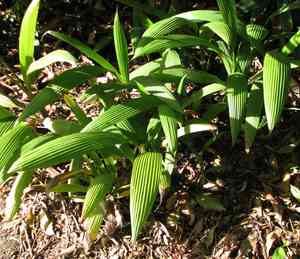
Relocate palm grass once temperatures rise and vegetation reactivates, generally from late spring into early summer. Select a location offering filtered light and fertile, adequately draining earth. Handle the transplanting process delicately to prevent root trauma.
What Preparations are Needed Before Transplanting Palm Grass?
What is the Ideal Time for Transplanting Palm Grass?
The optimal period for relocating palm grass is during its revitalization phase when new shoots emerge, typically from late spring to the beginning of summer. This timeframe allows palm grass to establish itself in mild temperatures and consistent, gradual development, avoiding the harsher weather conditions later in the year. Carefully moving palm grass when the environment is vibrant ensures a smooth transition to its new spot, supported by the season's ample sunlight and moderate rainfall, which are beneficial for root growth.
How Much Space Should You Leave Between Palm Grass Plants?
When moving palm grass, provide them with adequate room to thrive. Aim for a spacing of approximately 18-24 inches (45-60 cm) between plants. This ensures each palm grass has sufficient area to grow without crowding, allowing their roots and foliage to expand freely for optimal health.
What is the Best Soil Mix for Palm Grass Transplanting?
For palm grass, prepare the soil to be well-draining and abundant in organic material. A loamy soil type is perfect. Incorporate some compost or a balanced, slow-release fertilizer before transplanting to give your palm grass a strong start. This will provide nutrients and support their development.
Where Should You Relocate Your Palm Grass?
Select a site for your palm grass that receives partial to full sunlight. However, if you are in a particularly hot climate, a location with filtered shade during the warmest part of the day would be ideal. Ensuring the correct light balance will help your palm grass flourish.
What Equipments Should You Prepare Before Transplantation Palm Grass?
Gardening Gloves
To safeguard your hands while handling soil and palm grass.
Shovel or Spade
To excavate the soil and extract palm grass with its root ball intact.
Garden Fork
To loosen the soil around palm grass prior to lifting it.
Pruning Shears
To trim any dead or superfluous parts of palm grass before relocation.
Watering Can or Hose
To hydrate palm grass before and after its transfer.
Wheelbarrow or Tarp
To move palm grass and its soil to the new site without damage.
Measuring Tape
To determine the correct distances when arranging multiple palm grass plants.
How Do You Remove Palm Grass from the Soil?
How Do You Remove Palm Grass from the Soil?
From Ground: Hydrate palm grass to moisten the surrounding earth. Use a shovel or spade to dig a circular trench around palm grass, being careful not to sever roots. Gradually deepen the trench and use a garden fork to loosen the soil beneath the root ball. Gently lift palm grass from the ground, preserving as much of the root system as possible.From Pot: Start by watering the soil in the container to facilitate root ball removal. Tilt the pot sideways and tap the base to dislodge the soil's grip. Carefully pull palm grass by its base, supporting the root ball, and slide it out of the pot. If it resists, run a knife blade around the pot's interior edge to separate the roots from the container.From Seedling Tray: Moisten the soil in the seedling tray to aid in root ball extraction. Use a small tool or your fingers to push up from the bottom of the tray compartment, gently lifting palm grass while supporting the soil and roots. Avoid pulling the plant by its stems or leaves, as this could cause harm.
Step-by-Step Guide for Transplanting Palm Grass
Dig New Hole
Choose the new spot where you will replant palm grass. Dig a hole twice as wide and equally as deep as the root ball. Loosen the soil at the bottom of the hole using a garden fork.
Prepare Plant
Examine the root ball of palm grass carefully. Use pruning shears to remove any dead or damaged roots, and gently untangle any that are circling or matted.
Place Plant in Hole
Position palm grass in the center of the newly dug hole. Ensure it sits at the same depth as it was in its original location. Adjust the hole's depth if needed.
Backfill Soil
Refill the hole with soil, gently patting it down around the root ball to eliminate air pockets. Do not compact the soil too firmly, as this can impede root development.
Water Thoroughly
Once palm grass is replanted, water the surrounding soil to settle it around the roots. This also helps to hydrate palm grass and promotes recovery from the transplanting process.
How Do You Care For Palm Grass After Transplanting?
Immediate Watering
Right after transplanting, provide palm grass with a generous watering to help minimize transplant shock and settle the soil around its roots.
Mulching
Apply a layer of organic mulch around palm grass to help retain soil moisture, regulate soil temperature, and reduce competition from weeds.
Observation
Over the subsequent weeks, closely monitor palm grass for indications of stress such as wilting or yellowing foliage. Adjust care as necessary.
Gradual Adaptation
Allow palm grass to acclimate to its new environment gradually by shielding it from harsh weather conditions like heavy rain or strong winds for a brief period if possible.
Troubleshooting Common Issues with Palm Grass Transplantation.
What's the best timing for transplanting palm grass?
Opt for the season of revitalization, typically mid-spring to early summer, to encourage vigorous growth.
How far apart should I space palm grass when transplanting?
Allow each palm grass ample room by spacing them 18-24 inches (45-60 cm) apart.
Why is my palm grass wilting after transplanting?
Wilting may indicate stress; ensure palm grass receives consistent moisture and is not exposed to excessive sun or wind.
How deep should I plant palm grass's roots?
Plant the roots at their previous depth, ensuring the crown is level with the soil surface.
Can I transplant palm grass in full sun?
While palm grass appreciates light, it thrives in partial shade, especially during the initial post-transplant phase.
What soil type is best when transplanting palm grass?
Well-draining soil rich in organic matter provides the ideal foundation for successful palm grass transplanting.
How much should I water palm grass post-transplant?
Water palm grass generously after planting, then maintain consistent moisture, avoiding waterlogged conditions.
Is it necessary to fertilize palm grass after transplanting?
Wait several weeks before fertilizing to allow palm grass to establish. Then, apply a balanced, slow-release fertilizer.
How can I protect my transplanted palm grass from pests?
Regularly inspect for pests and use appropriate organic pesticides if needed to maintain plant health.
Should I prune palm grass after transplanting?
Minimal pruning is advised, just enough to remove any damaged or diseased fronds to promote healthy development.



