How to Propagate Palm grass?
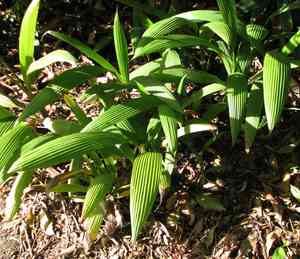
A robust variety frequently encountered in equatorial zones, palm grass flourishes when adequately tended. This botanical specimen primarily reproduces via segmentation, a method entailing the separation of its thick, clustered root systems. For effective propagation, cultivators must meticulously divide the root ball, making certain each segment possesses a minimum of one viable growth bud. Following division, embed the fresh sections in substrate that drains efficiently, maintaining a moderately damp soil and offering indirect light to encourage rooting.
Optimal Time for Palm Grass Propagation
Method of Propagation
Utilize The Tubers
Propagation Period
Spring
Tools for Palm Grass Propagation
Sharp Knife
A keen blade is crucial for precisely separating palm grass tubers. This instrument facilitates clean cuts, minimizing tuber damage and disease risk. A clean cut is vital for fostering healthy new growth post-propagation.
Sterilizing Agent (e.g., Rubbing Alcohol or Bleach Solution)
Prior to knife use, sterilize it with rubbing alcohol or a bleach solution. This practice prevents pathogen spread and ensures cuts are not only clean but also hygienic, which is critical for palm grass health during the vulnerable propagation phase.
Potting Mix
A well-draining, nutrient-rich potting medium supports the initial growth of palm grass after tuber planting. This substrate provides essential nutrients and proper aeration, crucial for palm grass root development.
Pots or Containers
Following cutting, palm grass tubers should be placed in individual pots or containers filled with the recommended potting mix. These vessels support new growth in a controlled setting, which can be vital for sensitive root establishment and early growth phases.
Watering Can with a Fine Rose
A watering can equipped with a fine rose attachment ensures gentle irrigation of newly propagated tubers. This tool helps maintain soil moisture without causing erosion or disturbing newly planted palm grass tubers, promoting successful initial growth.
Rooting Hormone (Optional)
Applying a rooting hormone to the cut surfaces of tubers can enhance root development and improve overall propagation success. This specialized aid is particularly beneficial if palm grass exhibits slow or difficult rooting characteristics.
Post-Propagation Care for Palm Grass
Post-Propagation Care for Palm Grass
Once palm grass begins to grow, maintain consistent moisture and provide partial to full sunlight exposure. Fertilize lightly with a balanced, slow-release fertilizer every couple of months during the growing season. Avoid over-watering and ensure good drainage to prevent root rot. As the plants mature, thin them as needed to prevent overcrowding and promote healthy growth.
Common Errors to Avoid When Propagating Palm Grass
Overwatering
Excessive watering of palm grass during initial propagation stages can lead to root rot, as the plant's roots require well-draining conditions for healthy development. Too much moisture hinders proper root growth, increasing fungal infection risk.
Using Non-Fresh Seeds
Propagating palm grass with old seeds significantly lowers germination rates. Aged seeds may have reduced viability, leading to poor or failed germination attempts.
Inadequate Light
Providing insufficient light during palm grass propagation can result in weak, elongated, and unhealthy sprouts. Palm grass requires bright, indirect sunlight to thrive and develop robustly.
Excessive Fertilization
Applying too much fertilizer to palm grass during early growth stages can burn developing roots and shoots, potentially leading to reduced growth or plant death. Young plants are particularly sensitive to high nutrient concentrations.
Advice for Propagating Palm Grass
Sphagnum Moss
Utilizing sphagnum moss as a rooting medium for palm grass can improve moisture retention while still allowing good drainage. This supports new root development without the risk of waterlogging.
Seed Freshness
Always use fresh seeds for propagating palm grass to ensure higher germination rates. Fresh seeds maintain better viability and tend to sprout more vigorously.
Indirect Lighting
Provide ample indirect sunlight for palm grass during propagation. Adequate lighting is crucial for the development of healthy roots and shoots, which establishes a strong foundation for the plant's future growth.
Gradual Fertilization
Begin with a light, balanced fertilizer solution only after palm grass has established its first true leaves. This approach helps avoid nutrient burn and supports steady, healthy growth.



