Enhancing Your Garden Design with the Palm grass Plant: A Landscaping Guide
1
Palm grass offers diverse garden applications, ranging from ground cover to prominent features.
2
Optimal positioning for Palm grass necessitates adequate sunlight for best development.
3
Palm grass plays a key role in environmentally conscious and sustainable garden designs.
Introducing Palm Grass in Garden Design
Understanding the visual charm of Palm grass
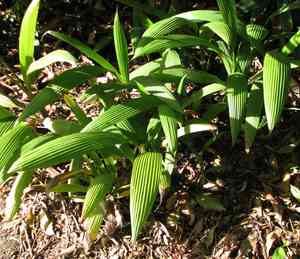
The visual allure of Palm grass is undeniable. Its rich, arching leaves create a pleasing backdrop in any outdoor space. The plant's vivid green foliage adds a tropical feel, enhancing your landscape's overall beauty. Palm grass is known for its ability to gracefully fill areas, offering a sense of fullness and softness to garden layouts, thereby boosting the serenity and appeal of your outdoor environment.
The diverse functions of Palm grass in outdoor settings
Palm grass proves remarkably adaptable, integrating smoothly into various gardening roles. It can serve as ground cover, forming a dense, green layer that prevents soil erosion, or act as a prominent feature in your garden. Moreover, it performs well in borders and garden beds, creating a gentle transition between different garden zones. Its versatility ensures Palm grass can meet diverse landscaping needs, from modern minimalist gardens to lush, tropical retreats.
Optimal Placement of Palm Grass in Your Garden
Strategic positioning for visual impact
Thoughtfully placing Palm grass within your garden can maximize its visual effect. Locating it near paths or edges can highlight its lush foliage and create an inviting atmosphere. Another effective method is to group Palm grass together to form a stunning natural screen, offering privacy while enhancing the garden's aesthetic appeal. Strategic placement will not only heighten visual interest but also complement other elements in your landscape design.
Balancing sun exposure for healthy growth
Ensuring Palm grass receives the correct amount of sunlight is vital for its robust growth. While it flourishes in shaded or partially shaded locations, excessive direct sun can cause its leaves to burn. Ideally, place Palm grass where it can enjoy morning sun and be protected from the intense afternoon rays. Adequate sun exposure is key to maintaining its vibrant green color and strong health, making it a lively addition to your garden.
Combining Palm Grass with Other Plants
Selecting complementary plants for co-planting
Choosing suitable companion plants for Palm grass can enhance your garden's overall beauty and vitality. Consider plants that thrive in similar light and soil conditions. Ferns, hostas, and shade-loving perennials typically pair well with Palm grass, as they all flourish in shaded or partly shaded areas. Complementary planting ensures a harmonious garden environment, making it visually cohesive and beneficial for the plants involved.
Design tips for creating a cohesive look
Crafting a unified garden design with Palm grass requires careful planning and arrangement. Ensure that plant heights and foliage textures complement each other. Incorporate contrasting leaf shapes and colors to add depth and variety. Also, spacing plants appropriately will allow each one to grow without overcrowding. These design considerations will help in achieving a balanced and aesthetically appealing garden that showcases Palm grass effectively.
Year-Round Care for Palm Grass
Seasonal considerations for maintaining appearance
Year-round care for Palm grass involves adjusting its routine based on the seasons. In spring and summer, consistent watering and occasional fertilization will promote vigorous growth. During colder months, reduce watering to prevent root rot and shield the plant from frost by covering it with garden fleece. Seasonal care is essential for maintaining Palm grass's health and appearance, ensuring it remains a lush, attractive feature of your garden throughout the year.
Simple practices to extend longevity and appeal
Adopting straightforward yet effective practices can extend the lifespan and attractiveness of Palm grass. Regular pruning to remove dead or damaged leaves will keep the plant looking tidy and healthy. Mulching helps retain soil moisture and provides essential nutrients. Additionally, monitoring for pests and diseases and addressing them promptly will ensure that Palm grass remains a thriving part of your landscape for years to come.
Utilizing Palm Grass for Eco-Friendly Landscaping
Benefits of Palm grass in sustainable landscaping
Palm grass offers numerous advantages for sustainable landscaping. Its dense growth habit aids in soil stabilization, reducing erosion. Furthermore, it requires minimal use of chemical fertilizers and pesticides, making it an environmentally friendly choice. The plant's ability to thrive in various conditions also means lower maintenance and water requirements, contributing to a more sustainable and eco-conscious garden.
Incorporating Palm grass to support local ecosystems
Integrating Palm grass into your garden can significantly support local ecosystems. It provides shelter and habitat for various beneficial insects and small wildlife. The plant's robust growth can also help improve soil health by enhancing organic matter content. By including Palm grass in your landscape, you not only enhance your garden's beauty but also contribute positively to the local environment, fostering biodiversity and ecological balance.



