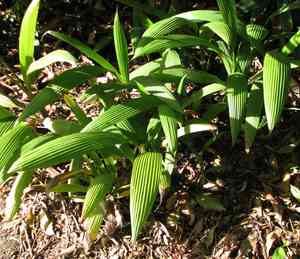
Palm grass (Molineria capitulata)
Also known as: Palm Grass, Weevil's Nettle
Molineria capitulata, also known as palm grass, is an evergreen perennial that doesn't belong to the grass or palm families. It resembles grass in its growth habit and looks like a small palm tree. Originating from tropical regions, palm grass thrives in warm, humid environments and prefers rich, moist, well-drained soil. Often used as an ornamental plant in gardens, it has the potential to spread quickly and become invasive.
In This Article
Attributes of Palm grass
Lifespan
Perennial
Plant Type
Herb
Plant Height
1.2 m to 1.8 m
Spread
1 m
Leaf Color
Green Blue
Flower Size
2.5 cm
Flower Color
Yellow
Images of Palm grass
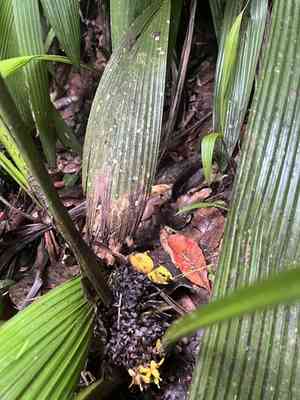
Quickly Identify Palm grass
1
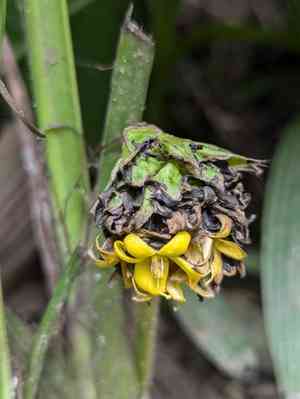
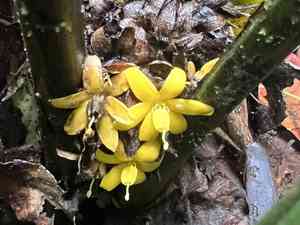
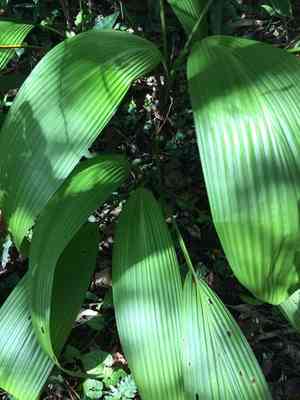
The plant is easily identified by its broad, linear leaves and the distinctive small, yellow flowers that appear in rounded clusters at the base. Its leaves also have a thick, leathery texture and a prominent midrib.
Scientific Classification of Palm grass
Phylum
Vascular plants
Class
Monocotyledons
Order
Asparagales
Family
Stargrass
Genus
Molineria
Species
Palm grass
Planting and Growing of Palm grass
Care Difficulty
Easy
Watering Schedule
Every 8 days
Sunlight Requirements
Partial sun
Sunshine Duration
4-6 hours
Ideal Temperature
68-77℉
Soil Type
Potting Mix, Peat Mix
Soil pH
6.5-7.5
Fertilizer Type
Balanced
Pruning Season
Spring, Summer
Pruning Area
Branches, Leaves
Pruning Frequency
2 times a year
Repotting Season
Spring
Pot Type
Plastic, Ceramic
 How to Water Palm grass?
For Molineria capitulata, the watering amount should ensure that the soil remains consistently moist but not waterlogged. Each watering session should involve approximately 300 ml, enough to soak the soil thoroughly without leaving stagnant water. This helps mimic its natural habitat where the plant thrives in humidity and consistent moisture.
What are the symptoms of an underwatered Palm grass?
›
What should I do if my Palm grass is not getting enough water?
›
What are the symptoms of an overwatered Palm grass?
›
How to save an overwatered Palm grass?
›
 What Are the Sunlight Requirements for Palm grass?
Molineria capitulata prefers partial sun to full shade for ideal growth. Proper light exposure helps maintain its aesthetically pleasing foliage and improves its disease resistance.
More About Sunlight Requirements Techniques→
How much sunlight does Molineria capitulata need?
›
What are the best methods to provide ideal lighting?
›
What benefits result from ideal lighting conditions?
›
 What Is the Ideal Temperature Range for Palm grass?
The ideal temperature range for Molineria capitulata is between 68°F and 77°F. This range provides optimal conditions for growth, ensuring that the plant absorbs sufficient nutrients while minimizing stress. Maintaining temperatures within this range will facilitate healthy photosynthesis and evaporation rates, contributing to robust foliage and floral development.
 What Soil is Best for Palm grass?
Molineria capitulata thrives best in nutrient-rich soil, ensuring robust growth and vibrant foliage. This is due to the essential minerals and organic matter that support its metabolic processes. Ensuring the soil is enriched with compost or organic fertilizers can significantly enhance its health. Although this plant prefers moist conditions, it requires well-draining soil to prevent root rot. Sandy loam or loamy soil helps maintain the right moisture balance, which is essential for its survival and continuous growth. A moderate ability to retain moisture is crucial for Molineria capitulata, as it thrives in consistently humid environments. Mulching can be beneficial in retaining soil moisture, which is vital for keeping the plant hydrated in drier spells.
 How to Fertilize Palm grass?
For Molineria capitulata, apply liquid fertilizer at half the recommended strength, about 1/2 tablespoon per gallon of water. When using slow-release fertilizer, use 1-2 tablespoons per plant, depending on the size and age of the plant.
 How to Prune Palm grass?
Start by examining the foliage to find any yellowed or brown leaves, which indicate dead or damaged parts. Removing these will prevent diseases and pests from affecting healthy growth. Focus on trimming back overgrown stems, which can lead to a more balanced shape and enhanced air circulation. Cut just above the node to promote branching and fuller foliage. If the plant becomes too dense, thin out some of the growth to allow more light to penetrate and ensure adequate airflow within the foliage. This helps in maintaining an attractive, dynamic appearance.
More About Pruning Techniques→
 How to Propagate Palm grass plant?
1
Carefully delink the rhizomes of Molineria capitulata, ensuring each division has roots attached. This helps in retaining the plant's stability and allows for healthier growth post-division.
2
Use well-draining soil and enhance it with organic compost. This mixture will provide the necessary nutrients and aeration, which are critical for young plants or seeds to establish themselves.
3
Sow Molineria capitulata seeds on the surface of the soil in seedling trays. Mist the soil lightly to maintain moisture, crucial for promoting optimal germination rates.
 How to Repot Palm grass plant?
1
Repot Molineria capitulata when you notice roots overcrowding the container or emerging from the drainage holes, or when it shows signs of nutrient deficiency despite regular feeding. These signals indicate it's time to move the plant to a more spacious environment.
2
Select a pot that is about one size larger than the current one, ensuring it has adequate drainage holes. A slightly larger pot provides room for root expansion without overwhelming the plant, which can lead to overwatering issues.
3
Opt for a rich, well-draining soil mix that retains some moisture but doesn't become waterlogged. This soil choice ensures the plant's roots are oxygenated, promoting healthy growth and nutrient intake, crucial for a thriving Molineria capitulata.
Learn More About Palm grass Diseases
Anthracnose
Bacterial Leaf Spot
Bacterial Soft Rot
Bacterial Wilt
Black Spot
Chemical Injury
Crown Gall
Cyst Nematode
Damping-off
Downy Mildew
Drought Stress
Fusarium Wilt
Gray Mold
Leaf Curl
Leaf Spot
Mosaic
Nutrient Deficiency
Nutrient Toxicity
Powdery Mildew
Root Rot
Root-knot Nematode
Rusts
Sooty Mold
Spider Mites
Temperature Stress
Thrips Damage
White Mold



