How Much Sunlight Do Palm grass Need?
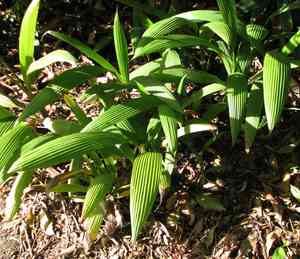
1
Palm grass flourishes with 3-6 hours of indirect sunlight each day, perfect for spots with moderate light levels.
2
If your Palm grass's leaves are turning yellow, it might require more light. Relocate it to a brighter area for improved exposure.
3
Too much direct sun can scorch Palm grass. Provide it with filtered light to maintain its best condition.
Optimal Illumination for Palm Grass
Understanding Light Levels for Palm Grass
Before discussing ideal light conditions, it's vital to grasp the various light intensities your Palm Grass might encounter. Generally, light is categorized as direct, partial, or shaded. Palm Grass thrives best in partial sunlight, which means approximately 3-6 hours of light daily. Excessive direct sun can scorch its leaves, while insufficient light can hinder growth and diminish its vibrancy. To achieve this balance, position your Palm Grass where it receives filtered or indirect light for a significant portion of the day.
Direct vs. Indirect Sunlight for Palm Grass
Regarding light type, Palm Grass primarily requires indirect sunlight. Direct sunlight means the sun's rays hit the plant unobstructed, whereas indirect sunlight is diffused through a medium like a sheer curtain or reflected from nearby objects. Direct sun, especially during peak hours, can cause your Palm Grass to develop brown, crispy edges from sunburn. Indirect sunlight, conversely, allows the plant to absorb necessary light without damage. Indoors, placing your Palm Grass near an east- or west-facing window usually provides optimal exposure.
Best Placement for Palm Grass Indoors
Finding the correct spot for your Palm Grass is simple if you understand its light preferences. Ideally, position your plant near a window that offers bright, indirect light. An east-facing window is perfect as it receives gentle morning sun, which isn't too harsh, and a west-facing window can also work if the light is diffused. If you only have south-facing windows, consider using sheer curtains to filter the sunlight. Avoid placing your Palm Grass in completely shaded areas, as inadequate light can impede its development.
Indicators Your Palm Grass Needs More Light
Yellowing Foliage
A clear sign your Palm Grass requires more light is yellowing leaves. When the plant doesn't get enough illumination, its photosynthesis process is hindered, leading to nutrient deficiencies that cause leaf discoloration. If your plant's leaves begin to turn yellow, try moving it to a brighter location where it can receive more indirect sunlight.
Stretched Growth
Leggy or elongated growth is another symptom of insufficient light. If your Palm Grass appears spindly rather than full and compact, it's likely stretching towards more light. This phenomenon, known as etiolation, indicates your plant is struggling to obtain the light it needs. Relocating your Palm Grass to a brighter spot can resolve this issue.
Poor Blooming
If your Palm Grass isn't flowering as expected, inadequate light could be the reason. Proper sunlight is crucial for the blooming process, and a lack of it will result in fewer or no flowers. To encourage healthy flowering, ensure your Palm Grass receives the right amount of light by adjusting its position if it's not currently thriving.
Preventing Sun Damage in Palm Grass
Identifying Sunburn on Palm Grass
Sunburn can be a common problem for plants like Palm Grass that are sensitive to direct sunlight. Signs of sunburn include brown, crispy edges or spots on the leaves. These symptoms indicate the plant has been exposed to intense, direct sunlight for too long. If you notice these signs, it's crucial to move your plant to a less exposed area immediately.
Providing Shade for Palm Grass
To prevent sunburn, consider providing shade for your Palm Grass. This can be easily achieved by using sheer curtains to diffuse direct sunlight or by placing the plant where it receives natural light filtered through elements like trees or patio covers. If your only option is a bright, sunny window, using indoor plant lights with adjustable settings can help replicate ideal light conditions without risking sunburn. This balance will keep your Palm Grass healthy and flourishing.
Seasonal Light Adjustments for Palm Grass
Adjusting Light in Winter
In winter, natural daylight decreases, making it essential to adapt your Palm Grass care routine. Move the plant closer to windows that receive the most light throughout the day, such as south-facing ones. Additionally, you can supplement natural light with grow lights to ensure your plant continues to get adequate illumination. This adjustment will help counteract the reduced sunlight hours during winter months.
Managing Summer Sunlight Exposure
Summertime can bring intense, prolonged sunlight, which can be harmful to Palm Grass. During these months, it's crucial to monitor its exposure and potentially move your plant to an area with filtered light. Even if your plant thrived in a particular spot during spring, the summer sun can be too harsh, necessitating the use of curtains or changing its position to prevent sunburn.



