How to Transplant Palapalai?
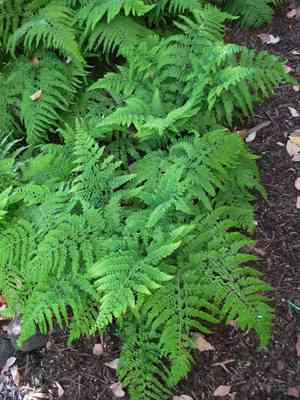
The most favorable time for transplanting palapalai is during the warmer seasons, which supports robust development. Place palapalai in a protected location receiving filtered sunlight. Providing damp, adequately draining earth will promote successful rooting. A gentle approach during relocation fosters hardiness.
Essential Preparations Before Relocating Palapalai
Optimal Timing for Palapalai Relocation?
The most favorable time to move palapalai is during the warm period of summer. This season promotes robust development, ensuring palapalai establishes itself quickly. Moving palapalai at this point maximizes strong root growth, as the thriving summer conditions provide an environment where it flourishes, encouraging resilience and vigor in your green space.
Recommended Spacing Between Palapalai Plants?
Prior to moving palapalai, ensure each plant is positioned approximately 1-2 feet (30-60 cm) apart. This provides ample room for each plant to grow and thrive without overcrowding. It's a crucial step for a successful beginning!
Ideal Soil Mixture for Palapalai Relocation?
For palapalai, select soil that drains effectively. Before transplanting, amend the soil with a slow-release fertilizer, as this will supply the necessary nutrients to the plant over an extended period. Consider it long-term nutritional support for your plants!
Optimal Location for Your Palapalai?
When deciding where to place palapalai, choose a spot that receives filtered sunlight throughout the day. This means areas with light shade, neither too bright nor too dark, just right for our palapalai to flourish!
Equipment Needed Before Transplanting Palapalai
Shovel or Spade
To assist in extracting the palapalai from its original spot, especially if the palapalai is already rooted in the ground.
Garden Trowel
This tool will facilitate easier palapalai transplanting, particularly for smaller plants.
Gardening Gloves
To safeguard your hands while handling soil and plants.
Watering Can
To maintain soil moisture and encourage growth post-transplant.
Wheelbarrow or Planting Tray
For moving the palapalai from its initial location to its new site, especially if the plant is large or heavy.
How to Extract Palapalai from the Soil
How to Extract Palapalai from the Soil?
From Ground: Begin by hydrating the palapalai plant to moisten the soil; this will simplify removal without harming the roots. Next, using a shovel or spade, dig a wide trench around the plant, ensuring the plant's root ball remains intact. Carefully leverage your spade upwards to lift the plant from its original position.From Pot: Water the palapalai plant to dampen the soil. Then, place your hand on the soil surface with the plant stem between your fingers. Invert the pot and tap its rim on a firm surface. The plant should slide out with its soil and roots undisturbed. If the plant resists, do not pull the stem; instead, slide a knife around the pot's interior to loosen it.From Seedling Tray: Use a spoon or small trowel to gently lift the seedling and its roots from the tray. Be careful not to damage the roots and handle the seedling by its leaves rather than the stem, as this is less likely to cause harm.
Step-by-Step Guide for Relocating Palapalai
Preparation
Begin by moistening the palapalai's new site with water; it should be damp but not saturated. Next, excavate a hole twice the size of the plant's root ball, using your trowel or spade.
Placement
Gently lower the palapalai into the hole, ensuring the top of the root ball is level with the soil surface.
Refilling
Backfill the hole with the original soil, carefully pressing it around the plant's root ball. Ensure you do not plant it deeper than its previous growing depth.
Watering
Finally, use your watering can to irrigate the plant just enough to settle the soil around the roots. Avoid excessive watering.
Post-Transplant Care for Palapalai
Adequate Nutrition
Immediately after the transplant process, provide the palapalai plant with a mild solution of transplant fertilizer to supply the necessary nutrients to overcome transplant shock.
Watering Regimen
For the initial week after transplanting, it is crucial to water the palapalai daily to keep the soil moist. Subsequently, water when the top inch of soil becomes dry.
Observation
Monitor your palapalai plant closely during the first few days, looking for any indications of transplant shock such as wilting, drooping leaves, or an overall unhealthy appearance.
Addressing Common Palapalai Transplant Issues
When is the optimal time to transplant palapalai?
The most suitable period for transplanting palapalai is during its active growth season, specifically between Seasons 4 to 6.
What is the ideal spacing when planting palapalai?
When transplanting palapalai, ensure a gap of approximately 1-2 feet (30-60 cm) between each plant.
What precautions should I take before transplanting palapalai?
Before transplanting palapalai, inspect the roots for damage. Compromised roots can hinder growth, so it's advisable to prune them.
How deep should palapalai be planted?
Palapalai should be planted at the same depth as its original growing location. Planting deeper can lead to root rot.
What type of soil is best for transplanting palapalai?
Palapalai thrives in well-draining soil. Enrich the soil with organic matter for optimal results, ensuring the plant's healthy development.
How should I water palapalai after transplanting?
After transplanting palapalai, water thoroughly but avoid overwatering. The soil should feel damp but not excessively soggy.
What length should palapalai be at the time of transplanting?
The palapalai can be transplanted at any height, provided its roots are sufficiently mature to endure the transplanting process.
After transplanting palapalai, how to care for it?
After transplanting palapalai, maintain consistent soil moisture and position the plant in a location with bright, indirect light.
What problems may I face after transplanting palapalai?
Post-transplanting issues for palapalai may include yellowing leaves or wilting. This can be due to shock, so don't be overly concerned.
How often should I fertilize palapalai after transplanting?
It's beneficial to fertilize palapalai approximately 4-6 weeks post-transplant. Use a slow-release, balanced fertilizer for the best outcomes.



