How to Propagate Palapalai?
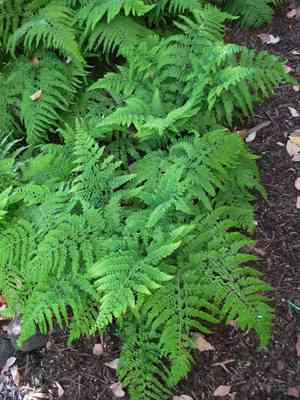
Palapalai is a fern species that flourishes in dim, damp conditions, frequently utilized in tropical and subtropical landscapes due to its fine, plume-like foliage. Although precise propagation guidance is limited, ferns within this genus generally reproduce through spores or by splitting. For palapalai, division appears to be the favored method, involving the gentle separation of rhizomes during the plant's vigorous growth phase. Verify that each new segment possesses sufficient roots and fronds prior to planting in a substrate that drains effectively. Lightly spray the growing medium to sustain moisture levels, replicating palapalai's inherent humid surroundings, thereby fostering robust root formation.
When Is the Optimal Time to Propagate Palapalai?
Propagation Method
Cutting
Propagation Period
Spring,Summer
What Equipment Is Used in Palapalai Propagation?
Sharp Pruning Shears
Crucial for taking cuttings, sharp pruning shears ensure clean, precise cuts, minimizing damage to palapalai. This accuracy aids in better healing and rooting. Sharp blades prevent crushing or tearing of plant tissues, which can cause infections or poor root development.
Rooting Hormone Powder
This encourages quicker rooting by stimulating root growth in palapalai cuttings. Applying rooting hormone to the cut stem assists in the development of strong, healthy roots, vital for new plant establishment. It boosts propagation success rates.
Sterile Potting Mix
A sterile potting mix offers a clean, disease-free environment for palapalai rooting. This medium should drain well yet retain enough moisture to support root growth without becoming waterlogged, which could cause root rot or fungal issues.
Humidity Dome
Maintaining high humidity around new palapalai cuttings is essential to prevent moisture loss from leaves. A humidity dome covers the plant and potting medium, creating a mini-greenhouse effect that sustains optimal humidity and temperature, crucial for encouraging root development.
Plant Labels
Used for identifying and organizing palapalai cuttings. Labeling is important for tracking propagation dates and specific treatments. This organizational tool helps ensure proper care schedules are followed, enhancing growth conditions.
Watering Can with a Fine Rose
Ensures gentle watering of palapalai cuttings without disturbing newly planted cuttings or the rooting medium. A fine rose attachment distributes water evenly and softly, minimizing soil erosion while keeping the medium moist for optimal root growth.
How to Propagate Palapalai?
Propagation Difficulty
Easy
How to Care for Your Newly Propagated Palapalai?
How to Care for Your Newly Propagated Palapalai?
Once roots form, permanently remove the plastic cover. Continue to keep the soil consistently moist, and position the pot where palapalai receives bright, indirect light. Avoid direct sunlight to prevent leaf scorching. As a tropical fern, maintaining high humidity will mimic palapalai's natural habitat, enhancing growth and foliage richness. Regularly inspect for pests and diseases, treating them promptly to keep palapalai healthy.
Common Errors to Avoid When Propagating Palapalai
Overwatering
Providing too much water to palapalai cuttings or young plants can lead to root rot and fungal diseases, which compromise plant health and reduce successful propagation.
Insufficient light
Inadequate light can cause palapalai to develop weak, leggy growth, diminishing the chances of cuttings establishing and thriving.
Ignoring soil composition
Using an unsuitable soil mixture that lacks proper drainage for palapalai can result in waterlogging and negatively affect root development.
Planting cuttings too deep
Inserting palapalai cuttings too deeply into the soil can restrict oxygen access to the stem, potentially leading to decay instead of root formation.
Tips For Propagating Palapalai
Humidity control
Maintaining high humidity around palapalai cuttings helps prevent them from drying out before they can establish a root system.
Proper cutting selection
Choosing healthy, disease-free stem sections with at least two to three leaves for palapalai ensures a higher chance of successful propagation.
Optimal soil mixture
Using a well-draining soil mix for palapalai, such as one that contains perlite or vermiculite, aids in proper root development while preventing waterlogging.
Use of rooting hormone
Applying a rooting hormone to the cut end of palapalai cuttings can encourage faster and more reliable root development.



