Enhancing Your Garden Design with the Palapalai Plant: A Landscaping Guide
1
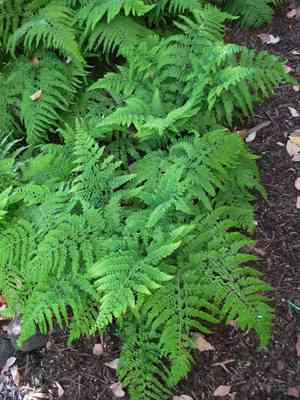
Palapalai serves as an excellent ground cover option because of its thick leaf growth.
2
Adding Palapalai to your garden can enhance the variety of local life.
3
Palapalai needs very little upkeep, making it suitable for gardeners with limited time.
Introducing Palapalai for Landscape Design
Palapalai's key features for garden use
Palapalai is celebrated for its vibrant, verdant fronds and elegant appearance, making it a cherished addition to many garden settings. Its expansive leaves and bushy growth habit provide full, dense coverage, especially effective as groundcover or as a backdrop for other plants. Moreover, Palapalai thrives in shaded environments, offering adaptability for various garden designs, particularly where sunlight is limited.
Why choose Palapalai for your outdoor space?
Selecting Palapalai for your garden offers numerous advantages beyond its visual appeal. Its natural preference for moist, shaded conditions makes it ideal for filling challenging garden spots. Additionally, Palapalai is relatively drought-tolerant once established, reducing the need for frequent watering. This plant also contributes to a natural and peaceful garden ambiance, perfect for those seeking to cultivate a tranquil backyard retreat.
Integrating Palapalai into Your Garden Plan
Initial considerations: Area, light, and companion plants
Before incorporating Palapalai into your garden, assess the available space and light conditions. Palapalai flourishes in damp, shaded areas but can also endure filtered sunlight. Pairing Palapalai with plants that share similar light and water needs helps create a harmonious and thriving garden. Common companion plants include ferns, hostas, and other shade-loving groundcovers, which can complement Palapalai's growth habit and color.
Design concepts: Using Palapalai as groundcover or focal points
When designing with Palapalai, consider its potential roles in your garden layout. As groundcover, Palapalai offers dense, green foliage that minimizes bare patches and soil erosion. Alternatively, it can serve as a focal point in shaded garden corners, where its textured fronds add visual interest. Consider planting Palapalai along paths, near water features, or within woodland garden themes to effectively utilize its natural charm.
Practical advice for planting and arranging Palapalai
Planting Palapalai requires preparing soil rich in organic matter to support its development. Space plants approximately 18 inches apart to allow for their spread. Water thoroughly after planting and maintain consistent moisture, especially during the initial establishment phase. Mulching around the plants helps retain soil moisture and suppress weeds. Regular removal of dead fronds will keep your Palapalai healthy and vibrant, enhancing its contribution to the landscape.
Environmental Advantages of Selecting Palapalai
Support for local ecological diversity
Palapalai supports local ecosystems by providing shelter and sustenance for various insects and small wildlife. This, in turn, can attract beneficial predators, aiding in pest control. By planting Palapalai, you foster a healthier and more balanced natural environment in your garden.
Inherent hardiness and minimal upkeep appeal
A key characteristic of Palapalai is its natural resilience. This plant is adept at thriving in less-than-ideal conditions, requiring minimal care once established. Its low maintenance demands make it a practical choice for gardeners desiring a lush landscape without constant attention.
Seasonal Considerations and Palapalai's Performance
Growth patterns across different seasons
Palapalai exhibits vigorous growth during spring and summer, contributing to a lush and vibrant landscape. During autumn and winter, its growth may slow, but the plant retains its foliage, ensuring year-round greenery. Understanding this seasonal behavior assists gardeners in planning and maintaining their landscape effectively.
Preparing Palapalai for seasonal transitions
To prepare Palapalai for seasonal changes, ensure adequate moisture during dry spells and protect it from frost by applying a layer of mulch. Regularly inspect for dead or damaged fronds and prune them to maintain the plantâs health. In colder months, consider adding extra mulch or temporary covers in areas prone to severe frost to help Palapalai endure harsh conditions.
Creative Projects Featuring Palapalai
DIY garden projects with Palapalai
Engage in creative DIY projects with Palapalai, such as establishing shaded fern gardens or designing intricate groundcover patterns. Utilize Palapalai in various capacities, from constructing living walls to forming lush, green textures in border gardens. The adaptability of Palapalai allows for creative expression, making it a favorite among garden enthusiasts.
Inspiring examples from existing landscapes
Draw inspiration from existing landscapes where Palapalai is prominently featured. Botanical gardens and private gardens worldwide showcase Palapalai in diverse settings, from serene Japanese gardens to vibrant, tropical paradise themes. Observing how others use Palapalai can spark your imagination and provide ideas for incorporating this plant into your garden.



