How to Prune Palapalai?
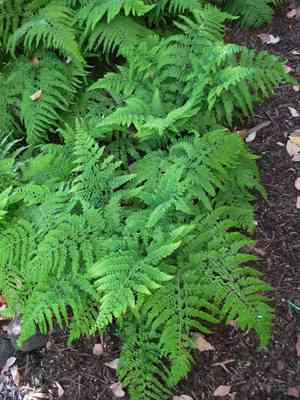
This fern-like botanical, featuring its intricate, delicate foliage, flourishes in environments with subdued illumination and elevated moisture levels. For palapalai, trimming entails detaching aged or discolored fronds near their origin, fostering robust development and preserving an appealing look. The most suitable times for this maintenance are from spring to autumn, enabling palapalai to recuperate and expand during its vigorous periods. Consistent trimming aids palapalai by averting excessive density and improving air movement, which is crucial for preventing fungal infections.
What Are the Benefits of Pruning Palapalai?
What Are the Benefits of Pruning Palapalai?
Trimming palapalai promotes more robust development and helps maintain its desired form. This routine care eliminates dead or weak fronds, enhancing plant health and visual appeal.
What Is the Best Time for Pruning Palapalai?
What Is the Best Time for Pruning Palapalai?
Pruning palapalai in Spring is advantageous as it aligns with the start of the plant's active growth period, allowing palapalai to recover quickly and produce new growth. Summer trimming can be done to maintain shape and remove any diseased or dead fronds, ensuring palapalai doesn't waste energy on unwanted foliage, which could otherwise be used for healthy development. Trimming in Fall helps remove older fronds before winter dormancy, reducing the chance of fungal diseases in colder weather and preparing palapalai for strong growth in the next season. It is vital, however, to avoid heavy pruning late in Fall to prevent harming new growth that might be vulnerable to frost. These seasons are chosen to match palapalai's natural growth cycle, ensuring the plant's health and vigor while avoiding stress during less optimal times like winter, when the plant may be dormant and recovery from pruning would be slower.
What Tools Do I Need to Prune Palapalai?
Sharp Bypass Pruners
Perfect for making clean cuts on palapalai's fronds, ensuring minimal harm to plant tissues, which encourages healthy regrowth.
Long-Handled Loppers
Palapalai may have thicker, woody stems that need more leverage for cutting, and loppers are suitable for reaching into the plant without damaging the delicate fronds.
Handheld Pruning Saw
For mature palapalai with denser, woodier stems too thick for pruners or loppers, a pruning saw is essential for effective cutting.
Gardening Gloves
Protection is important when handling palapalai to prevent any potential irritation or injury from sharp fronds or stems during the pruning process.
Pruning Shears
For trimming smaller, softer growth or dead material on palapalai, pruning shears are adequate and offer precision.
Disinfectant for Tools
To lessen the risk of spreading pathogens between plants, always use a disinfectant on the tools before pruning palapalai.
How to Prune Palapalai
Inspect
Carefully examine palapalai for diseased leaves, withered leaves, dead branches, and diseased branches that need trimming.
Sanitize
Sanitize your pruning tools with rubbing alcohol or a 10% bleach solution to prevent the spread of disease while pruning palapalai.
Remove Dead Material
Gently remove dead branches and withered leaves from palapalai using a clean, sharp pair of scissors or pruning shears, cutting close to the base without harming healthy tissue.
Cut Off Diseased Parts
Trim off diseased leaves and branches of palapalai by making cuts at least a few inches into healthy tissue to ensure the removal of all infected material.
Dispose
Properly dispose of the removed diseased and dead material from palapalai, preferably by burning or placing in a sealed bag, to prevent the spread of disease.
Common Pruning Mistakes with Palapalai
Overpruning
Removing too much foliage can stress palapalai, hindering its growth and vitality. It's crucial to prune no more than one-third of the plant at a time.
Improper Cuts
Making incorrect or messy cuts can damage palapalai and may lead to disease. Clean, angled cuts just above leaf nodes promote healthier regrowth.
Ignoring Plant Shape
Failing to consider the natural shape of palapalai may result in an unbalanced appearance. Pruning should enhance the plant's inherent form rather than going against it.
Pruning Without Sterilizing Tools
Using unsterilized tools can introduce pathogens to palapalai, possibly leading to infections. Always sanitize pruning tools before use.
Neglecting Dead Or Diseased Fronds
Skipping the removal of dead or diseased foliage can negatively affect the health and aesthetics of palapalai. Regularly check and eliminate problematic fronds.
Common Pruning Tips for Palapalai
Selective Thinning
Remove select fronds to increase light penetration and air circulation within palapalai, which can help to prevent disease and encourage uniform growth.
Gradual Shaping
Gradually shape palapalai over time rather than attempting to do it in one session. This approach reduces stress on the plant and allows for better recovery.
Sharp Tools
Use sharp and clean pruning shears or scissors for a precise cut, which aids in faster healing and reduces the risk of injury to palapalai.
Post-Pruning Care
After pruning, provide palapalai with adequate water and nutrients to support its recovery and new growth.
Routine Maintenance
Regularly inspect and lightly prune palapalai to maintain its desired form and remove any small, unhealthy, or awkwardly positioned fronds.



