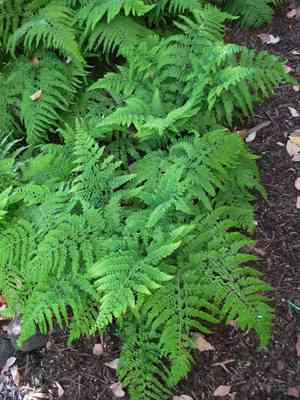
Palapalai (Microlepia strigosa)
Also known as: Lace fern
The plant features coarse fronds that are light to medium green in color. These fronds can extend to lengths exceeding 91 cm.
In This Article
Attributes of Palapalai
Lifespan
Perennial
Plant Type
Herb
Plant Height
1 m
Spread
2 m
Leaf Color
Green
Flower Size
N/A (ferns do not have flowers)
Flower Color
N/A (ferns do not have flowers)
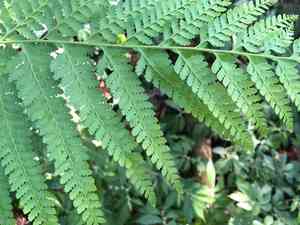
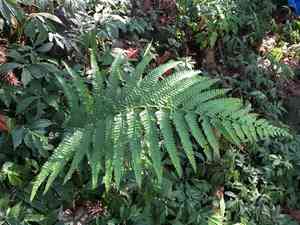
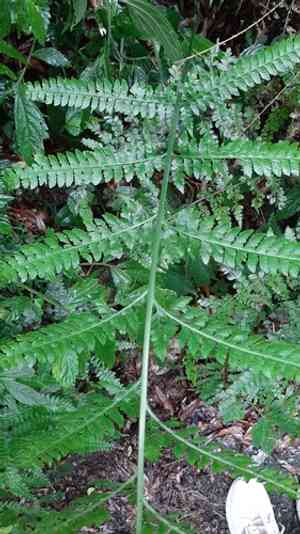
Images of Palapalai
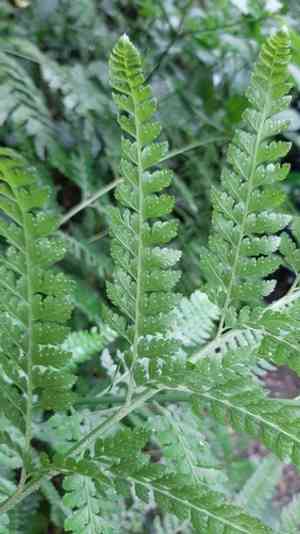
Quickly Identify Palapalai
1
Fronds bipinnate, 2 feet long and 1 foot wide.
2
Fronds change from light to medium green.
3
Grows in dense clumps, reaching 2-3 feet tall.
4
Moderate water needs distinguish this fern.
Scientific Classification of Palapalai
Phylum
Vascular plants
Class
Ferns
Order
Polypodiales
Family
Bracken fern
Genus
Palapalai
Species
Palapalai
Planting and Growing of Palapalai
Care Difficulty
Easy
Watering Schedule
Every 3 days
Sunlight Requirements
Partial sun
Sunshine Duration
6-10 hours
Ideal Temperature
60-75℉
Soil Type
Potting Mix, Peat Mix
Soil pH
6.5-7.5
Fertilizer Type
Balanced
Pruning Season
Spring, Summer
Pruning Area
Branches, Leaves
Pruning Frequency
2 times a year
Repotting Season
Spring
Pot Type
Plastic, Ceramic
 How to Water Palapalai?
Microlepia strigosa, commonly known as the lace fern, requires approximately 500 ml of water per session. The goal is to keep the soil consistently moist but not waterlogged. To achieve this, ensure that the water soaks through the soil and drains from the bottom of the pot, indicating proper saturation.
What are the symptoms of an underwatered Palapalai?
›
What should I do if my Palapalai is not getting enough water?
›
What are the symptoms of an overwatered Palapalai?
›
How to save an overwatered Palapalai?
›
 What Are the Sunlight Requirements for Palapalai?
Microlepia strigosa prefers partial sun to full shade. Ideal conditions prevent stress, promote vibrant growth, and enhance the plant's overall resilience and visual appeal.
More About Sunlight Requirements Techniques→
What is the best lighting condition for Microlepia strigosa?
›
How can you achieve ideal light levels for the plant?
›
What are the benefits of optimal lighting for Microlepia strigosa?
›
 What Is the Ideal Temperature Range for Palapalai?
Microlepia strigosa thrives best in temperatures between 60°F and 75°F. This range allows the plant to maintain optimal physiological functions, promoting healthy frond development and overall vigor. Maintaining consistent temperatures within this ideal range helps to prevent stress and promotes robust growth.
 What Soil is Best for Palapalai?
Microlepia strigosa thrives in soils that provide excellent drainage. Well-draining soil prevents root rot by allowing excess water to flow out. It ensures the roots receive adequate oxygen, which is crucial for healthy growth. The soil should maintain moderate moisture levels, as the plant prefers neither too dry nor too wet conditions. Moist soils help keep the plant hydrated, supporting its lush foliage and preventing wilting. Incorporate organic matter like compost into the soil to enrich it with nutrients. Nutrient-rich compost promotes vigorous growth and enhances the fern's vibrant green appearance.
 How to Fertilize Palapalai?
When fertilizing Microlepia strigosa, it is important to be measured and precise. Use a balanced, water-soluble fertilizer diluted to half the strength. Apply about 100-200 ml per plant, ensuring even coverage around the root zone without directly contacting the leaves. This precision in quantity helps in avoiding nutrient overload while providing the necessary nutrients for optimal growth.
 How to Prune Palapalai?
Always inspect Microlepia strigosa for pests or disease before pruning. Look for signs of infestation or rot, and handle these issues immediately to prevent their spread. Ensure that your plant is not overly dry; well-hydrated plants recover from pruning stress more efficiently. Avoid excessive pruning, as this may weaken the plant and reduce its vigor. Ensure you are not detracting from the natural shape of the fern while pruning. The goal is to enhance its beauty, maintaining its graceful, drooping form. Regularly stand back to observe the overall shape, adjusting your pruning strategy as needed to balance aesthetics with plant health. Properly dispose of plant clippings to avoid attracting pests.
More About Pruning Techniques→
 How to Propagate Palapalai plant?
1
Before division, select a healthy Microlepia strigosa plant with vigorous growth. Look for dense clumps that have multiple crowns and vibrant foliage, as they indicate readiness for division.
2
Gently dig around the base of the plant, careful not to damage the roots. Lift the entire clump out of the ground and remove excess soil, making it easier to see where divisions can occur naturally.
3
Using garden shears or a knife, divide the clump into smaller sections, each with at least one growing point and a portion of the root system. Ensure clean cuts for better healing and successful replanting.
 How to Repot Palapalai plant?
1
Microlepia strigosa needs repotting when you see roots emerging from the drainage holes or the soil does not retain moisture. The plant outgrows its container, or the leaves begin to yellow or wilt. These signs indicate it's time to provide more space and nutrients for healthy growth.
2
Select a pot that is 2 inches wider in diameter than the current one. A pot with drainage holes is essential to allow excess water to escape. This prevents root rot and maintains healthy root development, ensuring the ferns have room to grow and sufficient aeration.
3
Opt for a well-draining potting mix rich in organic matter. A mix containing peat, perlite, and pine bark works best, as it provides a balance of moisture retention and drainage. Such soil promotes healthy root growth and prevents overwatering issues.



