How to Transplant American wild mint?
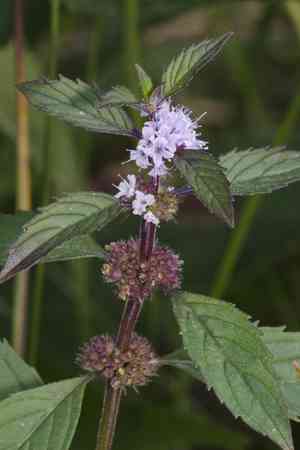
Relocate american wild mint during the flourishing period of mid to late spring, when the ground is warm and sufficient time is available for root development prior to winter. Select a damp, adequately drained location receiving partial sunlight, thereby minimizing transplant shock for vigorous development.
What Preparations are Needed Before Transplanting American Wild Mint?
What is the Ideal Time for Transplanting American Wild Mint?
The most opportune moment to transplant american wild mint is during the heart of spring or as late spring melts into early summer. This timing aligns perfectly with american wild mint's growth cycle, offering a sweet spot for root establishment before the full heat of summer. Transplanting in this window ensures american wild mint benefits from moderate temperatures and consistent rainfall, which are vital for the plantâs recovery and expansion. By choosing this season, you give american wild mint the best chance to thrive, as the soil is warm enough to encourage root growth yet cool enough to reduce transplant shock. This strategic timing is a step towards witnessing a lush, healthy american wild mint flourishing in your space!
How Much Space Should You Leave Between American Wild Mint Plants?
For american wild mint, you'd want to ensure a good spread. Give each plant about 1-2 feet (30.5 - 61 cm) distance from its neighbor. This spacing allows each to grow nicely and avoid crowding - think of it as each having their own personal bubble of growth!
What is the Best Soil Mix for American Wild Mint Transplanting?
American wild mint loves a well-drained, loamy or sandy soil. Start with a base of organic material to enrich the soil, then mix in a slow-release, balanced fertilizer. This gives american wild mint the nutrients it needs to really thrive!
Where Should You Relocate Your American Wild Mint?
American wild mint enjoys a good sunbathing session! Find a spot in your garden where it'll receive full sunlight to partial shade. Positioning american wild mint correctly will ensure it capitalizes on sunlight, promoting healthy and vibrant growth.
What Equipments Should You Prepare Before Transplantation American Wild Mint?
Gardening Gloves
To shield your hands while working with soil and roots.
Shovel or Spade
Essential for digging holes or trenches for plants and for lifting plants out of their original location.
Pruning Shears
To trim off any dead or damaged roots before transplanting.
Watering Can
To give the american wild mint plenty of water before and after the transplanting process.
Hand Rake
Pivotal for loosening the soil during plant removal and prior to transplanting.
Wheelbarrow
For easy transportation of the american wild mint from its original location to the transplant site.
Trowel
Handy for making precise changes to the planting hole, especially when dealing with smaller plants.
How Do You Remove American Wild Mint from the Soil?
How Do You Remove American Wild Mint from the Soil?
From Ground: Begin by watering the american wild mint plant to moisten the soil, making for easier and less damaging removal. Following this, use a shovel or spade to dig a trench surrounding the plant, being mindful to keep the root ball integral. Lever the plant from its location by working the spade beneath the root ball.From Pot: Thoroughly water the american wild mint and tip the pot sideways, gently pulling it at the base of its stems. Be gentle to not damage the root ball. If the plant appears stuck, tap the sides of the pot to loosen it.From Seedling Tray: Before transplanting, make sure that the american wild mint has developed a sturdy root system. Move it by slowly lifting the american wild mint using a small trowel or your hand, and gently pull it out of its tray cell, taking care not to damage the fragile roots.
Step-by-Step Guide for Transplanting American Wild Mint
Preparation
Water your american wild mint adequately before starting the transplant process. This keeps the root ball moist and minimizes plant stress during the procedure.
Digging
Use a shovel to dig a hole in your preselected location. The hole should be twice as wide and equally as deep as the american wild mint's root system.
Checking
Place the american wild mint in the hole and ensure that its top roots are at ground level. Adjust the hole depth if needed.
Planting
Now, position the american wild mint in the hole. Backfill with soil, being careful not to over compress which could damage the roots and impede the growth.
Watering
Finally, water the plant generously. This helps to eliminate air pockets in the soil and allows the roots to have immediate access to much-needed moisture.
How Do You Care For American Wild Mint After Transplanting?
Watering
Keep the soil adequately moist for the first several weeks post-transplant. This is critical for the american wild mint's roots to establish in their new environment.
Mulching
Apply a layer of mulch around your american wild mint but not touching its stem. Mulch helps maintain moisture integrity and suppresses weeds.
Checking
Regularly check your american wild mint for any signs of transplant shock like wilting or yellowed leaves. If these symptoms persist, consider seeking advice from a local nursery or extension service.
Pruning
As your american wild mint begins to settle in, trim off any unproductive or unnecessary growth. This allows the plant to focus energy on root development and regrowth.
Troubleshooting Common Issues with American Wild Mint Transplantation.
When is the best time to transplant my american wild mint?
The ideal time to transplant your american wild mint would be from late spring to early autumn (S2-S5). The warmer weather is perfect for encouraging new growth.
What space should I leave between each american wild mint during transplanting?
Try to leave a distance of approximately 1-2 feet (about 30-60 cm) between each plant. This ensures each american wild mint has enough space to grow and thrive.
What to do if my transplanted american wild mint shows signs of wilting?
If your american wild mint is wilting, it may not be receiving enough water. Increase watering and monitor the plant's recovery. Also, keep it at a shady place initially after transplanting.
Why are the leaves of my american wild mint turning yellow after transplanting?
Yellowing leaves could indicate overwatering or poor draining soil. Ensure your american wild mint is planted in well-drained soil, and avoid overwatering.
How deep should I plant my transplanted american wild mint?
The transplant hole should accommodate the root ball of american wild mint with a bit of extra depth for stronger root development. Generally, matching its previous depth is a safe measure.
What soil is best for my transplanted american wild mint?
American wild mint prefers fertile and moist but well-drained soil. It can tolerate a variety of soil types, including loamy, sandy, and clay, as long as they have good drainage.
What to do if insects or pests are nibbling on my american wild mint?
When insect damage is occurring, consider using a gentle insecticidal soap or a natural repellent like neem oil. Always observe the plant's response over a day or two to avoid negative reactions.
What to do if my american wild mint shows no sign of growth after transplanting?
Ensure your american wild mint stays moist, receives enough sunlight, and has nutrient-rich soil. If there's no growth yet, it might be adjusting still. Allow it some time to bounce back.
Should I fertilize my american wild mint right after transplanting?
It is recommended to wait until your american wild mint has had a chance to settle before applying fertilizer. A couple of weeks should suffice, then feed it with an all-purpose plant food.
How often should I water my tranplanted american wild mint?
The american wild mint likes a damp, but well-drained soil. Don't let the soil dry out completely. Monitor and adjust according to weather conditions. Overwatering could lead to root rot.



