Optimal Soil for Growing American wild mint: What You Need to Know
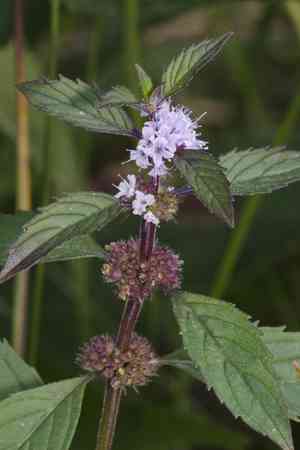
1
American wild mint flourishes optimally in rich, well-draining soil, offering a good mix of hydration and nourishment.
2
The perfect soil acidity level for American wild mint falls within 6 to 7.
3
Adding organic material to the earth can significantly enhance its richness and composition.
Optimal Soil Type for American Wild Mint
Benefits of Loamy Soil
Loamy soil is frequently regarded as the ideal medium for cultivating American wild mint, due to its balanced blend of sand, silt, and clay. This soil type provides excellent aeration, which supports root respiration, and it holds adequate moisture without becoming waterlogged. Its fine texture aids in nutrient retention and offers good drainage, combining the best attributes of other soil types. This ensures American wild mint receives both sufficient water and nutrients to flourish.
Preferred Soil pH Range
Maintaining the correct pH level in your soil is vital for the successful growth of American wild mint. The optimal range for this plant is between 6 and 7 on the pH scale. This slightly acidic to neutral range facilitates optimal nutrient uptake, promoting vigorous development. You can determine the pH level by conducting a soil test and making necessary adjustments to either increase or decrease the pH. Substances like lime can make the soil more alkaline, while sulfur can make it more acidic.
Requirements for Nutrient-Rich Soil
American wild mint greatly benefits from nutrient-rich soil, which ensures robust growth and aromatic foliage. Nutrient-rich soil can be achieved by regularly incorporating organic matter such as compost or well-rotted manure. These materials enrich the soil with essential nutrients like nitrogen, phosphorus, and potassium, all crucial for the plant's development. Additionally, organic matter improves soil texture, enhancing its capacity to retain moisture and nutrients.
Preparing Soil for American Wild Mint Cultivation
Checking Soil pH
Before planting American wild mint, it's crucial to test the soil pH. You can purchase affordable pH testing kits from garden centers or online. Follow the instructions carefully to obtain an accurate reading. If your soil pH falls outside the ideal range of 6 to 7, you'll need to amend it accordingly. Establishing the correct pH level beforehand can prevent potential growth issues later on.
Enhancing Soil Drainage
Good drainage is essential for American wild mint, as waterlogged soil can lead to root rot. To improve drainage, mix coarse sand or fine gravel into your soil to create more air pockets. Raised beds can also be an excellent solution, as they naturally facilitate better water runoff.
Incorporating Organic Material
Adding organic matter to your soil is one of the simplest and most effective ways to enhance its quality. Organic materials like compost, leaf mold, or well-rotted manure provide essential nutrients and improve soil structure. This, in turn, boosts water retention and promotes healthy microbial activity, both of which are vital for the growth of American wild mint.
Adjusting Soil Acidity or Alkalinity
If your soil is too acidic or too alkaline, your American wild mint plants will struggle to absorb nutrients effectively. To correct overly acidic soil, add lime, gypsum, or wood ash. Conversely, if the soil is too alkaline, sulfur, peat moss, or aluminum sulfate can help to lower the pH. Regular testing and amendments will ensure your soil remains within the optimal pH range.
Common Soil Issues and Solutions for American Wild Mint
Saturated Soil
Saturated soil is a frequent problem that can severely impact the health of American wild mint. Poor drainage often leads to waterlogged conditions, causing root rot and stunted growth. To remedy this issue, first, improve soil drainage by adding coarse sand or fine gravel. Additionally, consider planting in raised beds to allow excess water to drain away more easily.
Soil Compaction
Soil compaction can impede root growth and restrict water and nutrient absorption. This often occurs in heavy clay soils that have experienced heavy foot traffic or machinery. To alleviate compaction, aerate the soil by regularly turning it over and breaking up clumps. Adding organic matter can also help improve soil texture and reduce compaction.
Nutrient Deficiencies
Nutrient deficiencies are another common soil problem that can compromise the growth of American wild mint. Yellow or pale leaves typically indicate a lack of essential nutrients like nitrogen, phosphorus, or potassium. Conduct a soil test to identify specific deficiencies and amend the soil with appropriate fertilizers or organic matter to replenish these missing nutrients.
Maintaining Healthy Soil for American Wild Mint
Routine Soil Analysis
Routine soil analysis is crucial for maintaining optimal conditions for American wild mint. Aim to test your soil at least once a year to monitor pH levels and nutrient content. Timely soil tests can reveal changes or deficiencies, allowing you to address them before they negatively impact your plants.
Utilizing Mulch
Mulching is an excellent practice for maintaining healthy soil. A layer of mulch, such as straw, wood chips, or shredded leaves, helps retain soil moisture, suppress weeds, and regulate soil temperature. Mulch also gradually decomposes, adding organic matter and nutrients back into the soil.
Avoiding Excessive Fertilization
While nutrients are vital for plant growth, over-fertilizing can cause more harm than good. Excessive fertilizer can lead to nutrient imbalances and soil toxicity. Adhere to recommended fertilizer guidelines and, whenever possible, opt for organic alternatives. This careful approach ensures that your American wild mint receives the correct amount of nutrients without the risk of over-fertilization.
Monitoring Soil Moisture Levels
Proper water management is crucial for maintaining soil health. Use a moisture meter to keep track of soil moisture levels, especially during dry periods. Avoid letting the soil dry out completely, but also ensure it doesn't remain soggy. Consistent soil moisture levels help prevent both water stress and root diseases in American wild mint.



