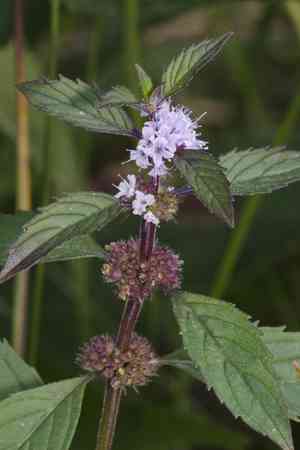
American wild mint (Mentha canadensis)
Also known as: Field mint, American cornmint, Chinese mint, East Asian wild mint, Japanese peppermint
American wild mint, scientifically known as Mentha canadensis, is the sole mint species native solely to North America. It thrives in various environments, including moist and waterlogged soils. This mint is distinguished by its strong aroma, which makes it useful for attracting wildlife, such as foxes, into live traps. Additionally, its robust scent and flavor are reminiscent of spearmint, making it a versatile plant for both culinary and medicinal uses.
In This Article
Attributes of American wild mint
Lifespan
Perennial
Plant Type
Herb
Plant Height
50 cm to 1 m
Spread
1 m to 1.5 m
Leaf Color
Green Red
Flower Size
1.8 cm
Flower Color
White Purple
Images of American wild mint
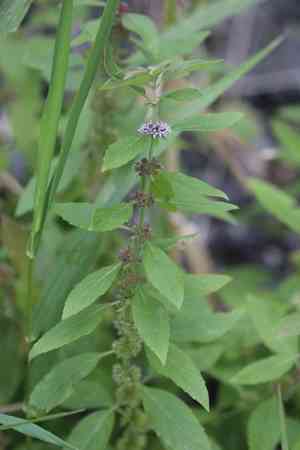
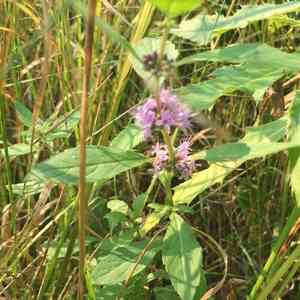
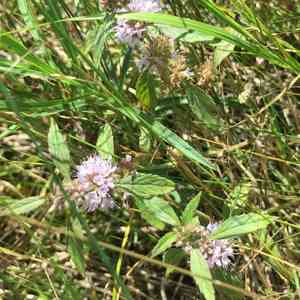
Quickly Identify American wild mint
1
Look for square stems typical of mint plants, and opposite, toothed leaves that emit a strong minty aroma when crushed. The flowers are small and pale purple, growing in clusters at the stem joints or terminal spikes.
Scientific Classification of American wild mint
Phylum
Vascular plants
Class
Dicotyledons
Order
Lamiales
Family
Mint
Genus
Mints
Species
American wild mint
Planting and Growing of American wild mint
Care Difficulty
Easy
Watering Schedule
Every 8 days
Sunlight Requirements
Full sun
Sunshine Duration
6-10 hours
Ideal Temperature
60-75℉
Soil Type
Potting Mix, Peat Mix
Soil pH
6.5-7.5
Fertilizer Type
Balanced
Pruning Season
Spring, Summer
Pruning Area
Branches, Leaves
Pruning Frequency
2 times a year
Repotting Season
Spring
Pot Type
Plastic, Ceramic
 How to Water American wild mint?
When it comes to watering Mentha canadensis, aim to thoroughly saturate the soil without leaving standing water. Water until the top 2-3 inches of soil are moist, which typically requires approximately 250 milliliters each time. It's crucial to allow excess water to drain to prevent root rot.
More About Watering Techniques→
What are the symptoms of an underwatered American wild mint?
›
What should I do if my American wild mint is not getting enough water?
›
What are the symptoms of an overwatered American wild mint?
›
How to save an overwatered American wild mint?
›
 What Are the Sunlight Requirements for American wild mint?
Partial sunlight is preferred, yielding vigorous growth while maintaining a controlled balance between light intensity and exposure duration.
More About Sunlight Requirements Techniques→
Ideal Light Exposure Timing
›
Solution for Optimal Light
›
Benefits of Ideal Light
›
 What Is the Ideal Temperature Range for American wild mint?
The ideal temperature range for Mentha canadensis, also known as Canadian mint, lies between 60°F and 75°F. This range provides optimal conditions for growth and ensures that the plant maintains its vigor and productivity. Mint thrives in mild temperatures where heat and moisture are balanced, allowing it to produce high-quality essential oils. What specific benefits does this range provide for the plant? Within this range, photorespiration is minimized, and maximum photosynthesis is achieved, resulting in robust plant growth.
 What Soil is Best for American wild mint?
Mentha canadensis thrives in well-drained soil, which allows for adequate water movement while preventing water logging. This helps the plant avoid root rot and other moisture-related issues, ensuring healthy growth. The plant benefits greatly from soil rich in organic matter, which provides essential nutrients for robust development. Organic matter enhances soil structure and fertility, supporting lush foliage and vibrant health. This mint species requires soil that can retain moisture without becoming waterlogged. Proper moisture retention supports steady growth and prevents the plant from becoming stressed during dry spells.
More About Soil→
 How to Fertilize American wild mint?
For Mentha canadensis, also known as Canadian Mint, it is recommended to apply liquid fertilizer at a rate of one tablespoon per gallon of water. For slow-release granules, use around one teaspoon per square foot of soil. The plant prefers a balanced N-P-K ratio like 10-10-10.
More About Fertilizing Techniques→
 How to Prune American wild mint?
Begin by identifying any overgrown, leggy, or dead stems. These should be your first target for removal to encourage healthy growth and maintain a tidy appearance. For each stem, make your cut just above a node or set of leaves. This encourages bushier growth by promoting the development of new shoots from the cut area. Continuously step back and inspect the overall shape of the plant as you prune. Aim for a symmetrical, evenly shaped plant to ensure even light distribution and an aesthetically pleasing form.
More About Pruning Techniques→
 How to Propagate American wild mint plant?
1
Gather seeds from mature Mentha canadensis plants during late summer or early autumn. Allow seed heads to dry on the plant before collecting to ensure maturity.
2
Select healthy stems for cuttings. Cut just below a node, about 4-6 inches in length, ensuring to strip leaves from the lower part of the cutting.
3
In early spring, divide clumps of Mentha canadensis by carefully digging up and separating the roots. Each division should have a healthy set of roots.
 How to Repot American wild mint plant?
1
Repot Mentha canadensis when its roots become visibly cramped within the pot, or when growth appears stunted. Ideally, check the roots each spring by gently removing the plant from its pot. If roots are circling the pot or peeking through drainage holes, it's time to repot.
2
Select a pot that is 1-2 inches larger in diameter than the current one to allow sufficient room for root expansion. Ensure the pot has adequate drainage holes, which prevent waterlogging and promote healthy root development by allowing excess water to escape.
3
Utilize a well-draining potting mix to avoid oversaturation and root rot. The ideal mix retains moisture for easy access by the Mentha canadensis roots, while allowing excess water to drain, ensuring optimal growth and plant health.



