How to Overwinter American wild mint
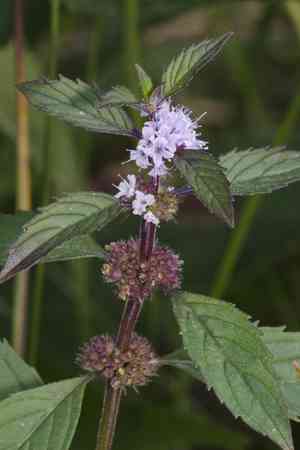
1
American wild mint is a cold-tolerant plant, ideal for chilly environments.
2
Adequate mulching greatly enhances the likelihood of your American wild mint enduring winter outdoors.
3
Monitoring watering and light needs during winter is essential for houseplants.
What Does it Mean to Overwinter American wild mint?
What Does it Mean to Overwinter American wild mint?
Overwintering American wild mint entails preparing and safeguarding the plant to help it endure the cold winter months. This frost-tolerant herb, native to North America, can withstand chilly temperatures but thrives best with some preparatory care. Ensuring your mint remains healthy during winter necessitates specific steps that vary slightly depending on whether it is indoors or outdoors.
Preparation Steps for Overwintering American wild mint
Assessing the Plant's Health
Before winter arrives, thoroughly inspect your American wild mint. Examine the foliage for any indications of disease, pests, or weakness. Healthy plants have a greater chance of surviving the winter. If you notice any problems, address them promptly with appropriate treatments.
Pruning and Cleaning
Trim your American wild mint before winter to lessen stress and encourage new growth in the spring. Remove any dead or diseased leaves. Pruning also aids the plant in conserving energy during the cold months.
Soil and Pot Considerations
If your American wild mint is in a pot, consider whether it will stay in its current container. Ensure the pot has proper drainage and sufficient space for root development. For outdoor soil, loosen and aerate the earth to prevent waterlogging and enhance root health.
Mulching Techniques
Applying a layer of mulch around your American wild mint can help insulate the roots from drastic temperature fluctuations. Organic materials like straw, wood chips, or leaves work effectively. Spread a 5-10 cm (2-4 inch) layer around the base of the plant, being careful not to cover the stem directly.
Best Locations for Winter Placement
Indoor Options
If you opt to bring your American wild mint indoors, select a location that mimics its natural environment as closely as possible. A cool, well-lit room is ideal. Avoid placing the plant near heating vents or drafty windows.
Outdoor Techniques
For mints left outdoors, ensure they are in a protected spot, shielded from strong winds. A location near a building can provide additional warmth. Utilize a cold frame or cloche for extra protection against severe weather.
Monitoring American wild mint During Winter
Watering Needs
While mints require less water in winter, it's vital not to let the soil completely dry out. Water sparingly, ensuring the soil is moist but not waterlogged. Indoor plants may need more frequent watering due to indoor heating.
Light Requirements
American wild mint prefers bright, indirect light. If indoors, position the plant near a south-facing window. For outdoor plants, ensure they're in a spot that receives adequate sunlight, especially during the shorter winter days.
Temperature Control
Maintain a consistent temperature for your mint. Indoors, keep the room between 15-18°C (59-64°F). Outdoor mints should be protected from extreme temperature drops with mulching or additional coverings.
Common Problems and Solutions
Addressing Frost Damage
If your American wild mint exhibits signs of frost damage, such as blackened leaves, refrain from pruning immediately. Wait until after the last frost to trim the affected partsâthis prevents further injury to the plant.
Preventing Mold and Mildew
Mints can be susceptible to mold and mildew, particularly in damp conditions. Ensure good air circulation around the plant. For indoor plants, use a fan or open a window occasionally. Outdoors, space the plants adequately and avoid overhead watering.



