Optimal Fertilizer for Growing American wild mint: What You Need to Know
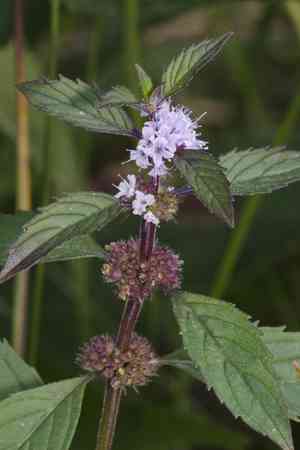
1
American wild mint flourishes optimally with fertilization during its active growth periodsâspring and summer.
2
Select a well-balanced fertilizer featuring an even NPK (Nitrogen, Phosphorus, and Potassium) proportion for superior outcomes.
3
Excessive fertilization of American wild mint may result in stunted development and increased susceptibility to ailments.
Understanding Nutrient Requirements for American wild mint
Nutrient Needs of American wild mint
To ensure your American wild mint (Mentha canadensis) thrives and grows vigorously, it's vital to comprehend its nutritional demands. This plant favors a balanced provision of Nitrogen (N), Phosphorus (P), and Potassium (K). These primary nutrients support overall development, with Nitrogen aiding leaf growth, Phosphorus promoting strong root systems, and Potassium enhancing disease resistance and general vitality.
Indicators of Nutrient Deficiency in American wild mint
Early detection of nutrient deficiencies can prevent stunted growth and poor health in your American wild mint. Common symptoms include yellowing leaves, which may signal a Nitrogen shortage; poor flowering or root development, suggesting insufficient Phosphorus; and weak stems, potentially indicating a Potassium deficiency. Monitor these signs to promptly adjust your feeding regimen.
Selecting the Appropriate Fertilizer for American wild mint
Organic vs. Synthetic Fertilizers: Advantages and Disadvantages
There are two main categories of fertilizers to consider for your American wild mint: organic and synthetic. Organic options, like compost and manure, release nutrients gradually and enhance soil structure but might show slower results. Synthetic fertilizers offer immediate nutrient availability but can lead to soil degradation over time if overused. Weigh the benefits and drawbacks based on your plant's needs and gardening objectives.
Recommended Fertilizer Types for American wild mint
For optimal growth, utilize a balanced fertilizer with equal proportions of NPKâlook for labels such as 10-10-10 or 14-14-14. Granular fertilizers are excellent for a slow and steady nutrient release, while liquid fertilizers can provide an instant boost, ideal for rapid absorption during critical growth phases in spring and summer.
Applying Fertilizer to American wild mint
Step-by-Step Fertilization Procedure
Fertilizing your American wild mint is straightforward if you follow these steps: 1) Measure the correct amount of fertilizer according to package directions. 2) Distribute granular fertilizer evenly around the plant's base, avoiding direct contact with stems and leaves. 3) For liquid fertilizer, dilute it as instructed and water the plant at its base. 4) After application, lightly water the soil to help the fertilizer penetrate and reach the root zone.
Optimal Times of Year for Fertilizing American wild mint
The best time to fertilize American wild mint is during its active growth periodsâspring and summer. Fertilizing in early spring provides the plant with a much-needed nutrient boost after winter dormancy and supports vigorous growth. A second application in early summer can sustain continued development and strength throughout the growing season.
Maintaining Soil Health While Fertilizing American wild mint
Balancing Soil pH for Peak Growth
Maintaining an ideal soil pH is crucial for nutrient uptake in American wild mint. This plant prefers slightly acidic to neutral soil, with a pH range of 6.0 to 7.0. Regularly test your soil and amend it with lime to increase pH or sulfur to decrease pH as necessary to ensure your plant can efficiently absorb nutrients.
Monitoring Soil Moisture and Drainage
Proper water management is as vital as fertilization for maintaining the health of your American wild mint. Ensure your soil drains well to prevent root rot, and consistently check moisture levels. While American wild mint enjoys moist soil, avoiding waterlogging is essential. Using mulch can help retain moisture and regulate soil temperatures, providing a balanced growing environment.



