How to Transplant Common melastoma?
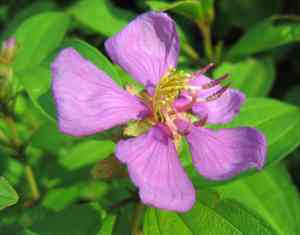
The most favorable period for transplanting common melastoma is in the peak of spring's mild temperatures, ensuring vigorous development. Choose a bright, adequately draining location for optimal thriving. Recommendations involve maintaining root hydration throughout the procedure for a seamless adjustment.
Preparations Required Before Relocating Common Melastoma
Optimal Period for Transplanting Common Melastoma
The ideal time to move common melastoma is during the peak of spring, as the season bursts with life. Relocating your common melastoma during this period of vigorous growth aligns with its natural rhythm, ensuring a smooth transition to new ground. This phase of mild temperatures and increased daylight promotes strong root development and minimizes transplant stress, guaranteeing a lush, thriving presence in your garden.
Recommended Spacing Between Common Melastoma Plants
When moving common melastoma, ensure they have ample room to thrive. Position these beautiful plants 24-36 inches (61-91 cm) apart to allow for sufficient development.
Best Soil Blend for Common Melastoma Transplantation
For common melastoma, a soil that drains well and is rich in organic material will be highly beneficial. Prior to planting, incorporate some balanced slow-release fertilizer to give your common melastoma a robust start.
Choosing a New Location for Your Common Melastoma
Select a sunny spot for your common melastoma as they love bright light. A location receiving direct sunlight for at least part of the day will invigorate your perennial companions.
Equipment Needed Before Transplanting Common Melastoma
Gardening Gloves
To safeguard your hands while handling soil and the plant.
Spade or Shovel
For excavating the plant and preparing its new site.
Watering Can or Hose
To hydrate the common melastoma before and after its relocation.
Trowel
For managing smaller plants or refining the planting cavity.
Pruning Shears
To trim any damaged or excess growth prior to transplanting.
Wheelbarrow or Garden Cart
To transport the common melastoma and soil materials.
Measuring Tape
To ensure correct spacing between individual plants.
Soil Amendment
To improve the existing soil at the new spot, if necessary.
Mulch
To aid in moisture retention and regulate soil temperature after transplant.
How to Extract Common Melastoma from the Soil
How to Extract Common Melastoma from the Soil
From Ground: First, moisten the common melastoma to dampen the soil. Next, dig a wide trench around the common melastoma using a spade or shovel, ensuring the plant's root ball remains intact. Carefully work the spade beneath the root ball to lift the common melastoma from its original position.From Pot: Thoroughly water the common melastoma to facilitate its removal. Tilt the pot sideways and gently tap or squeeze the sides to loosen the soil. Carefully slide the common melastoma out, supporting the root ball with your hand to prevent damage.From Seedling Tray: Water the tray to assist in removal. Use a trowel or your fingers to gently loosen the soil surrounding the seedling. Carefully lift the common melastoma by its leaves, not the stem, to minimize the risk of injury.
Step-by-Step Guide for Relocating Common Melastoma
Excavating the Hole
Dig a hole in the garden bed that is twice the width of the common melastoma's root ball and of equal depth to ensure ample room for root expansion.
Preparing the Plant
Carefully examine the common melastoma's root ball, trimming any broken or dead roots with pruning shears and gently separating any circling roots to encourage outward growth.
Positioning the Plant
Place the common melastoma in the center of the hole, ensuring the top of the root ball is level with the surrounding soil surface to promote proper root establishment.
Backfilling
Refill the hole with soil, gently firming it around the root ball to eliminate air pockets. Water the common melastoma deeply to settle the soil and hydrate the roots.
Applying Mulch
Spread a layer of mulch around the base of the common melastoma to help retain moisture, suppress weeds, and regulate soil temperature, being careful to keep it away from the stems.
Post-Transplant Care for Common Melastoma
Watering
Maintain consistent moisture in the soil around the common melastoma, avoiding sogginess, for the initial weeks after transplanting to aid in strong root development.
Pruning
Remove any damaged or diseased growth to direct the common melastoma's energy towards establishing new roots and healthy foliage.
Supports
If the common melastoma is tall or top-heavy, consider using stakes or providing support to prevent wind damage while it develops a robust root system.
Monitoring
Regularly check the common melastoma's health, looking for signs of stress such as wilting or discolored leaves, and take necessary actions like adjusting water or adding shade if required.
Resolving Common Issues with Common Melastoma Transplantation.
When is the best time to move common melastoma?
The ideal period is mid to late spring, once the soil has warmed and stabilized.
What spacing should I use for common melastoma when transplanting?
Aim for a distance of 24-36 inches (61-91 cm) to allow each plant sufficient room to thrive.
Why is my common melastoma wilting after being moved?
Wilting can result from root disturbance. Ensure careful handling and adequate hydration post-transplant.
What soil conditions are best for common melastoma after transplant?
They prefer well-draining soil rich in organic matter. Verify soil moisture and composition before planting.
How deep should I plant common melastoma's roots?
Roots should be planted at their previous depth, typically a few inches (5-10 cm).
Can I prune common melastoma before transplanting?
Yes, light trimming can stimulate new growth, but avoid excessive cutting to prevent stress.
How much should I water common melastoma after transplant?
Water thoroughly after transplanting to settle the soil. Continue regular watering but avoid over-saturation.
What indicates transplant shock in common melastoma?
Stunted growth, drooping leaves, or discolored foliage can signal transplant shock. Proper care can aid recovery.
Is it acceptable to transplant common melastoma in full sun?
Yes, common melastoma flourishes in full sunlight. Ensure the new site receives ample sun for optimal health.
Should I fertilize common melastoma after transplanting?
Wait several weeks before applying a balanced, mild fertilizer to avoid overwhelming the roots.



